Feral hogs are running wild in 35 states and the Senate is debating whether to triple funding
The U.S. Department of Agriculture estimated in 2016 that 7 million feral pigs were loose in the nation; who knows how high it's gotten since.
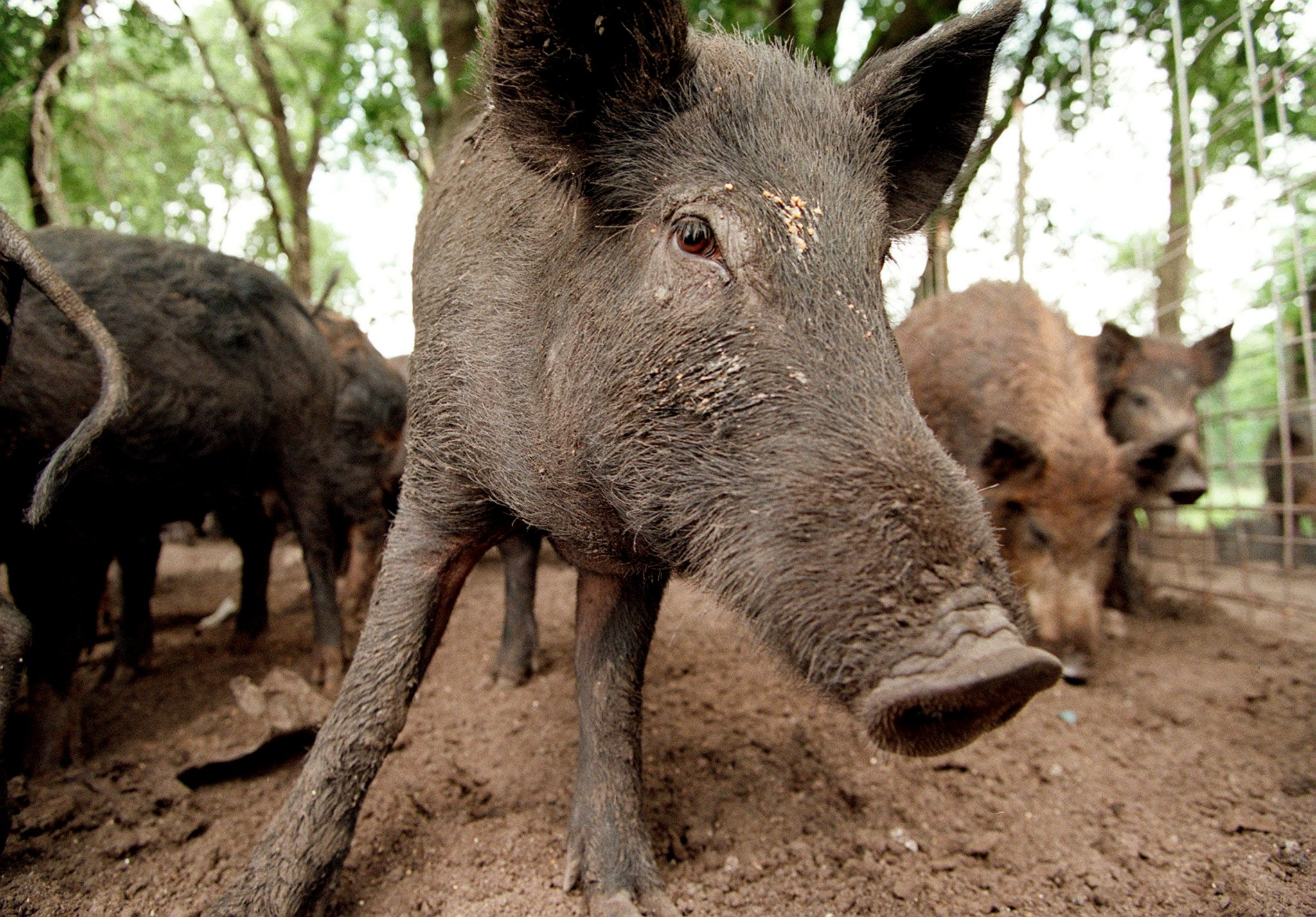
Feral hogs have taken over 35 states in the United States, causing billions in damage and posing a significant challenge for landowners. The federal government has been spending millions on efforts to control the population, and now the Senate is debating whether to triple that funding. The problem has grown over the years, with recent estimates suggesting that there are between 6 and 7 million feral swine in the country.
These animals breed year-round, with each litter producing four to 12 piglets, leading to a rapid increase in their numbers. Feral hogs cause an estimated $2.5 billion to $3.4 billion in property damage each year, including crop destruction, damage to farm infrastructure, and environmental harm to wildlife habitats. The most recent efforts to combat this issue began in the 2018 Farm Bill, with $75 million allocated to encourage private landowners to work together to control the population.
This program was active in selected counties in 10 states, and it was later extended through 2029 with an additional $105 million in funding. The government is currently accepting grant applications for the first $35 million allocation from this funding. A study by agricultural economists at the University of Tennessee and the University of Arkansas found that the program was effective in reducing crop damage caused by feral hogs, particularly in cornfields.
Counties with active hog control efforts experienced a 90% reduction in crop insurance claims for wildlife damage to corn compared to counties without such efforts. The researchers suggest that focusing efforts on corn-producing counties and increasing participation through additional outreach could yield even better results. However, it is essential to acknowledge that completely eradicating feral hogs is nearly impossible, and the damage they cause is likely to persist.
Nevertheless, with the right design and sustained investment, the federal government has the potential to significantly improve the situation for American farmers.
Written by urgent.news from Fortune's reporting — not their text. Machine-written — may contain errors; check the original before relying on it.