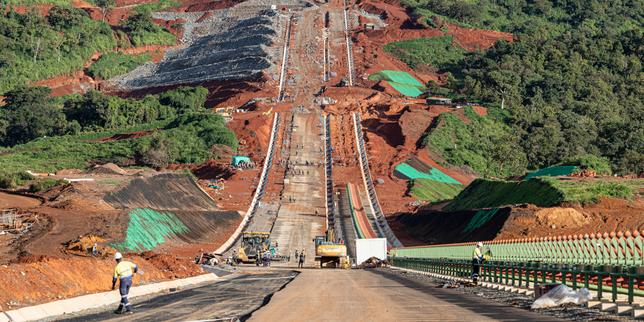
A global tram renaissance is underway. Why isn’t London jumping on board?
London, once home to the world's largest tram network, squandered it all. Nicholas Boys Smith explains how London can get back on track.
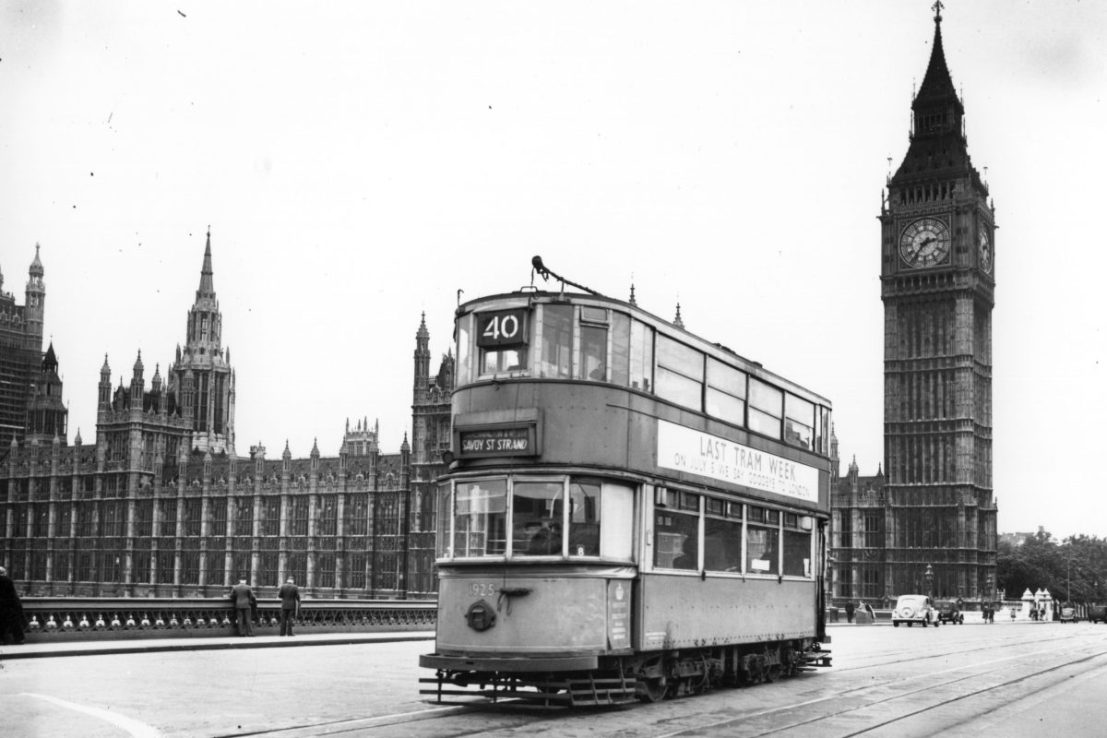
During the late 1800s, London boasted the world's most extensive tram network, which was funded by private capital and municipal borrowing. Londoners took 280 million tram journeys by the 1920s, and the system generated enough revenue to cover its costs without significant public subsidy. However, nationalization and amalgamation in 1933 under the London Passenger Transport Board marked the beginning of the end for London's trams.
In a misguided attempt to modernize, the London County Council tore up the trams, believing that buses and cars would ease congestion. This decision, while intended to relieve congestion, led to permanent congestion instead. Despite the global resurgence of trams due to their higher capacity, environmental benefits, and economic advantages, London remains hesitant.
London has built only one modern tramway, the Croydon Tramlink, and has struggled to progress with subsequent proposals. The high cost of tram construction in London, estimated at £87 million per mile, is significantly higher than the European average of £42 million. This is attributed to lengthy and centralized approval processes, extensive utility diversion, bespoke designs, fragmented procurement, and the tendency to merge tram projects with broader public works.
London's inability to execute tram projects has resulted in missed opportunities for improved mobility, lower pollution, and increased productivity.
Written by urgent.news from City AM's reporting — not their text. Machine-written — may contain errors; check the original before relying on it.