Teeth whitening explained: What works, what doesn’t and who should avoid it
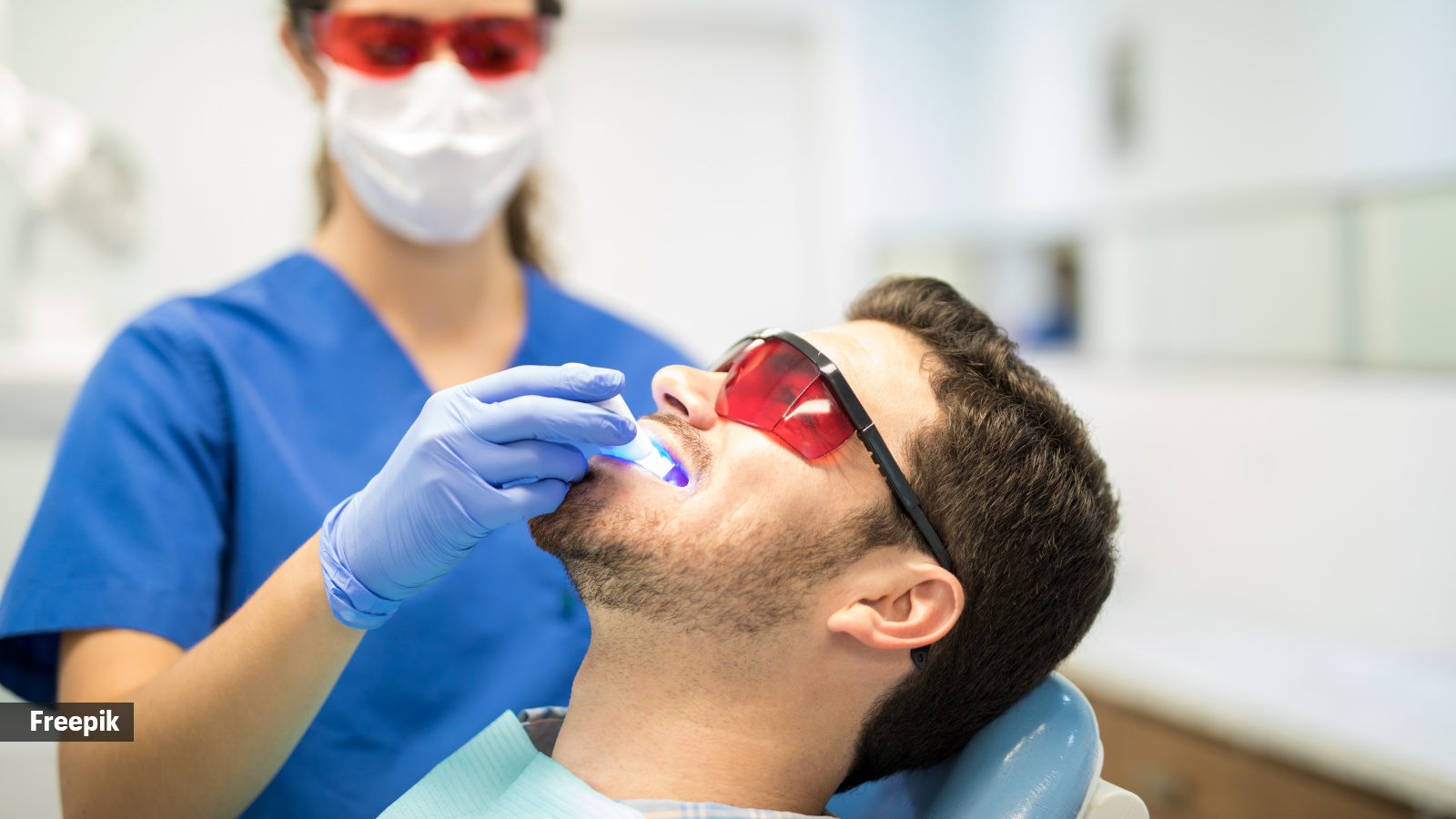
Teeth whitening is a popular cosmetic procedure sought by many for a brighter smile. However, its effectiveness varies depending on the type of stains present on the teeth. Dr. Jaineel Parekh, an orthodontist at Laxmi Dental Limited, explains that whitening treatments are most successful on extrinsic stains caused by factors like food, drink (tea, coffee), tobacco use, and aging.
Intrinsic stains, which originate within the tooth itself, are more challenging to address with whitening alone and can stem from certain medications, dental trauma, excessive fluoride exposure, or developmental conditions. These stains might require alternative cosmetic procedures such as veneers or dental bonding following a dentist's evaluation.
The procedure is generally safe when performed under professional supervision or when using at-home products as directed. Short-term tooth sensitivity and mild gum irritation may occur but typically subside within a few days. However, overuse or unregulated products can increase the risk of sensitivity and negatively impact oral health.
Teeth whitening is not suitable for everyone, including pregnant or breastfeeding women, children, individuals with untreated cavities or gum disease, and those with extensive dental restorations like crowns or veneers. To maintain results, limiting intake of staining substances like tea, coffee, and tobacco, alongside good oral hygiene and regular dental check-ups, is essential.
It's also a misconception that frequent whitening leads to brighter teeth; instead, it may cause increased sensitivity without enhancing whitening outcomes. Lastly, whitening does not alter the color of crowns, fillings, or veneers, emphasizing the importance of a professional dental assessment before initiating treatment.
Written by urgent.news from The Indian Express's reporting — not their text. Machine-written — may contain errors; check the original before relying on it.