Is the US seeing a turning point in obesity rates?
Obesity rates climbed in the US for years, but now there are signs this could be changing. Use of weight-loss drugs such as Ozempic and Wegovy has increased rapidly — are they helping?
The United States has been battling an obesity epidemic since the late 1970s, but recent evidence suggests that the rising obesity rates may be beginning to decrease. Benjamin Rader, an epidemiologist at Boston Children's Hospital and Harvard Medical School, believes there is a turning point in obesity trends. In 2024, Rader and his team published a study using data from over 16 million adults, which showed a decline in obesity prevalence in 2023 for the first time in over a decade.
The National Health and Nutrition Examination Survey also indicated a slight decrease between 2021 and 2023, and more recent surveys have also provided evidence of declining figures. The introduction of new drugs for weight loss, including GLP-1 agonist medications such as Ozempic, Wegovy, and Zepbound, has also contributed to the downward trend.
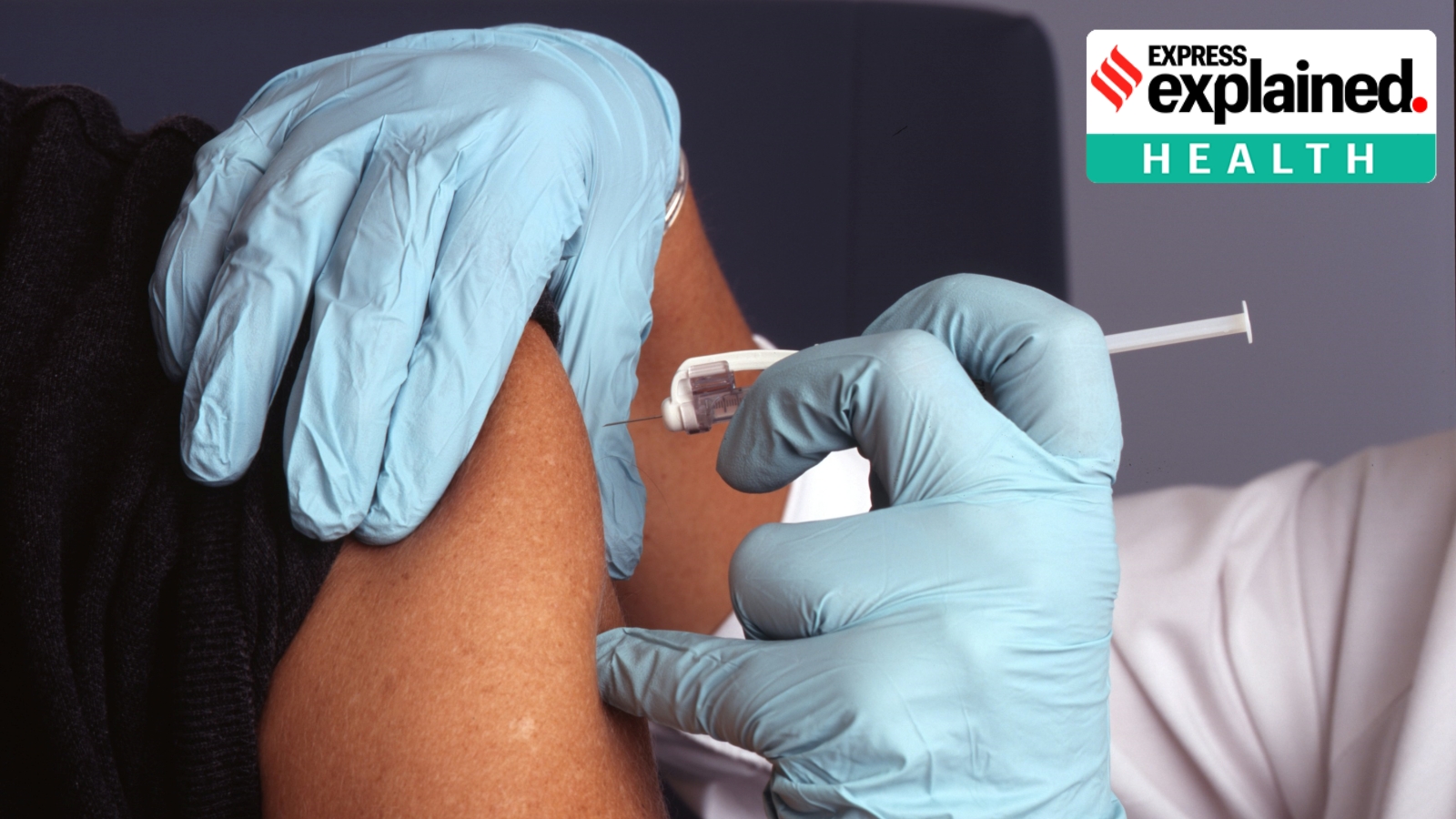
These drugs, originally developed to treat Type 2 diabetes, work by promoting a feeling of fullness and slowing gastric emptying, leading many patients to lose significant weight. Rader and Peminda Cabandugama, an endocrinologist and spokesperson for The Obesity Society, agree that the increased use of these medications and heightened focus on weight management have played a significant role in the reduction of obesity prevalence.
However, Rader cautions that it is still too early to definitively attribute the decline to these drugs, as further data is needed to assess the long-term effects on obesity rates. Cabandugama also highlights the potential impact of lifestyle changes during and after the COVID-19 pandemic on the current figures. Despite differing opinions on the permanence of this decline, both experts agree that obesity remains a major public health crisis in the United States that requires attention, funding, and alternative solutions.
Written by urgent.news from DW News's reporting — not their text. Machine-written — may contain errors; check the original before relying on it.
This story
This is one outlet's version. Read the fullest account.