Pressure on short-stay sector grows as councils powerless to enforce caps
City of Sydney Deputy Mayor Jess Miller warns there is nothing preventing short-term accommodation investors from exploiting new developments earmarked for NSW.
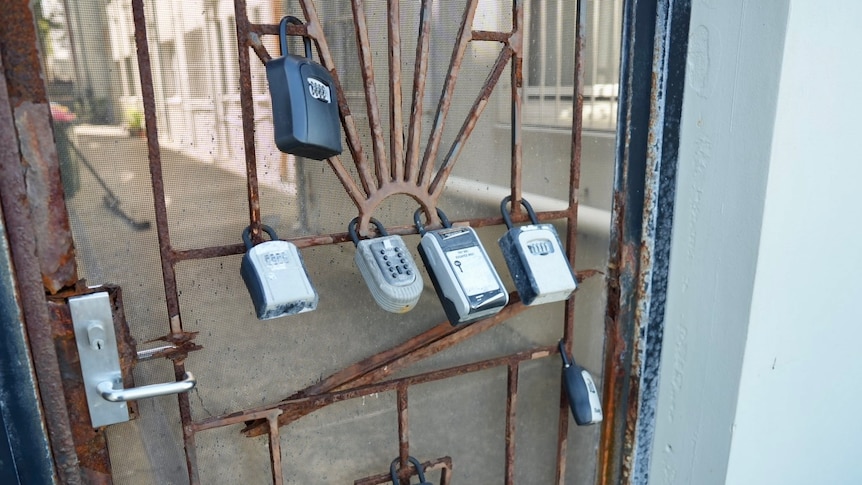
Councils in Sydney are facing growing pressure to address the short-stay rental sector as they are unable to enforce caps on the number of such rentals. Homelessness NSW has called for a 7.5% levy on providers who rent their properties on platforms like Airbnb and Stayz, arguing that this could generate millions to fund housing support services and free up extra rental stock. The city's vacancy rate stands at 2.1%, with 10,531 active Airbnb listings alone in August, according to market analysis from AirRoi.
Deputy Lord Mayor of City of Sydney, Jess Miller, supports a crackdown on Airbnbs but highlights the difficulty in identifying which properties are homes being lived in or investment properties being used solely for short-term accommodation due to limited data available to councils. The NSW government is finalizing its short-term rental accommodation review, which is expected to provide councils with a more transparent and comprehensive database to track compliance breaches.
However, councils currently have limited enforcement capabilities and cannot effectively address the issue.
The Greens-led proposal estimates that a ban on short-term rentals in areas with high concentration or vacancy rates below 3% could return up to 5,000 properties to the long-term rental market. Greens Councillor Sylvie Ellsmore highlights the impact of Airbnbs on public housing, stating that many homes were once public housing that provided affordable housing for low-income residents but are now being used for short-term rentals. This has led to the closure of a historic childcare center due to dwindling enrolments.
Airbnb ANZ states that the vast majority of its listed properties are primary residences used periodically by their owners. The company supports fit-for-purpose regulation of the short-term rental sector, with any levy introduced needing to be reasonable and applied uniformly to all providers. Similarly, Stayz senior director of government and corporate affairs, Eacham Curry, believes any levy should be reasonable and uniform.
Critics, however, argue that nightly caps have not proven effective and would punish compliant operators. Instead, they emphasize the need to tackle the rental arbitrage model, where third parties lease homes and sublet them for significant profits, leading to the loss of genuine long-term rental housing. The government is reviewing the short-term rental accommodation planning and regulatory framework and aims to release its findings soon, while also considering the potential impact on the tourism sector and housing affordability.
Written by urgent.news from ABC News AU's reporting — not their text. Machine-written — may contain errors; check the original before relying on it.