Fighting Corruption: What Africa can learn from China’s experience
By: Henrietta Avollah Afful Corruption remains an obstacle to sustainable development. It diverts public resources, weakens institutions, undermines public confidence and slows economic progress. Across the continent of Africa, governments continue to implement reforms aimed at promoting transparency and accountability. While no country has completely eliminated corruption, some have made notable…
Corruption poses a significant challenge to sustainable development in Africa, diverting public resources, weakening institutions, undermining public trust, and slowing economic growth. Despite challenges, some African governments have made progress in fighting corruption through strong political commitment, robust institutions, and strict law enforcement.
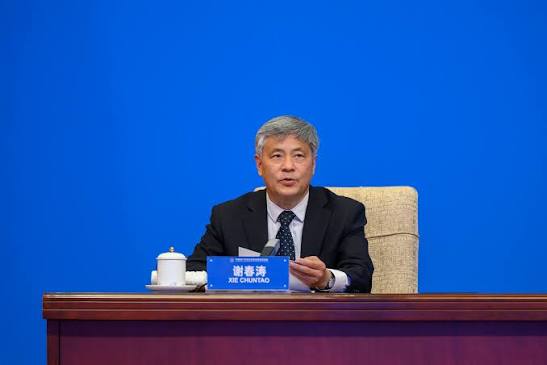
China stands out as a country that has aggressively pursued an anti-corruption campaign over the past decade, under the leadership of current President Xi Jinping. Executive Vice President of the Party School of the Central Committee of the Communist Party of China (CPC), Xie Chuntao, explained that when President Xi took office in 2012, corruption was a pressing governance issue, with officials accused of abusing their power, misusing public funds, and leading extravagant lifestyles.
To combat this, President Xi initiated a comprehensive anti-corruption campaign, implementing the "Eight Rules" to promote discipline and control excesses among officials at all levels. The campaign emphasizes a zero-tolerance approach, with leaders setting the example for conduct. Chinese authorities have handled over 3.07 million officials since 2022, imposing sanctions ranging from demotions to severe punishments including the death penalty for the most egregious cases.
While acknowledging that corruption might never be entirely eradicated, China maintains that significant reduction is achievable through effective governance, strong institutions, and stringent law enforcement. African nations, facing similar corruption challenges, can learn from China's approach by strengthening anti-corruption measures, improving public financial management, and enhancing transparency.
However, sustainable progress relies on political will, independent institutions, and ethical leadership. The Chinese anti-corruption experience demonstrates that sustained political commitment, institutional discipline, and consistent enforcement can foster cleaner governance and national development.
Written by urgent.news from GBC Ghana's reporting — not their text. Machine-written — may contain errors; check the original before relying on it.