Australia confirms first H5N1 bird flu case in local mammal
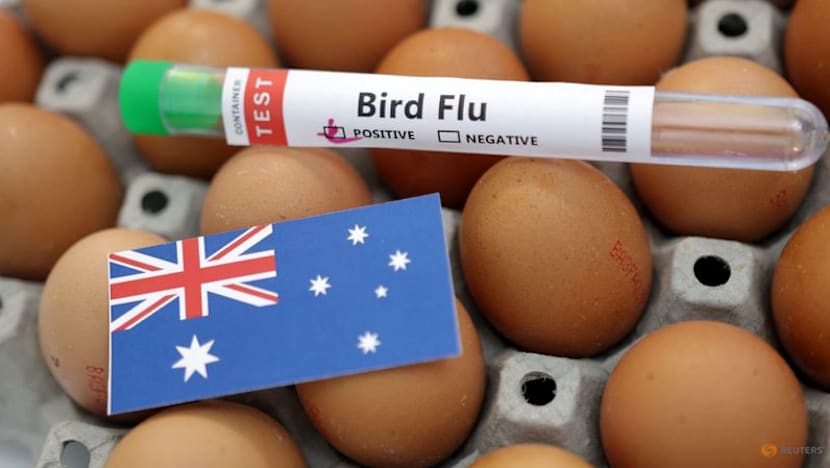
Australia on Sunday confirmed its first case of H5N1 bird flu in a mammal, with the deadly virus found in a long-nosed fur seal in South Australia state.
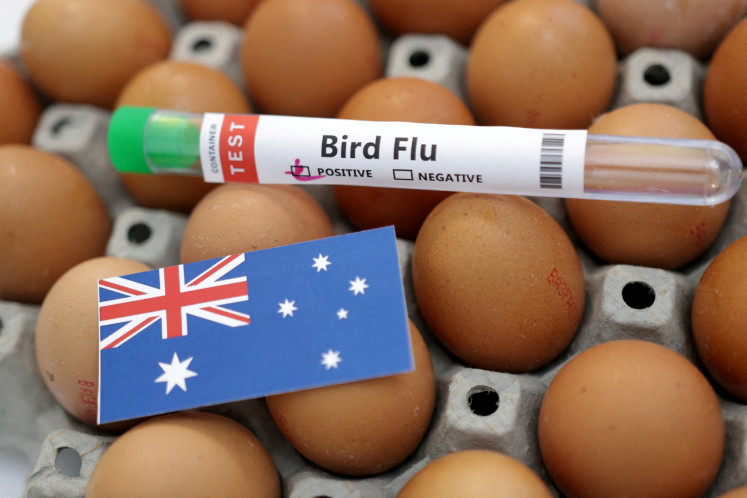
Australia has confirmed its first case of H5N1 bird flu in a local mammal, a long-nosed fur seal found dead in South Australia. The highly pathogenic avian influenza, which entered the country in June, has escalated with the nation's first mass seabird deaths this month. The seal, part of an estimated 100,000 population in the state's waters, was located near Beachport, about 310 kilometers south of Adelaide.
Authorities found the seal without injury, and federal Agriculture Minister Julie Collins stated that the death does not seem linked to other sick or deceased marine mammals. Australia remains the last continent to report bird flu, having detected the virus on Heard Island in late 2025. Over 13,000 baby seals perished on the island due to the virus.
Seals are particularly vulnerable to the H5N1 virus, as they inhabit close proximity to wild birds along rocky coastlines. South Australia's chief veterinary officer, Skye Fruean, noted that the animals would encounter high concentrations of the virus in their surroundings. As of now, Australia's poultry and agriculture have not shown any signs of H5N1 infection, with only 297 cases confirmed nationwide.
Written by urgent.news from The Jakarta Post's reporting — not their text. Machine-written — may contain errors; check the original before relying on it.
This story
This is one outlet's version. Read the fullest account.
- ‘Devastating’: Western Australia fears a black swan moment as bird flu threatens flagship species theguardian.com
- Australia confirms first H5N1 bird flu case in local mammal brecorder.com
- Australia confirms first H5N1 bird flu case in local mammal channelnewsasia.com
- Australia confirms first H5 bird flu case in mammal after fur seal tests positive malaymail.com
- Australia Confirms H5N1 Bird Flu Case in Local Mammal en.tempo.co
- Australia confirms H5N1 bird flu case in local mammal dw.com
- Australia confirms first H5N1 bird flu case in local mammal sabcnews.com
- Australia confirms first H5N1 bird flu case in local mammal hindustantimes.com