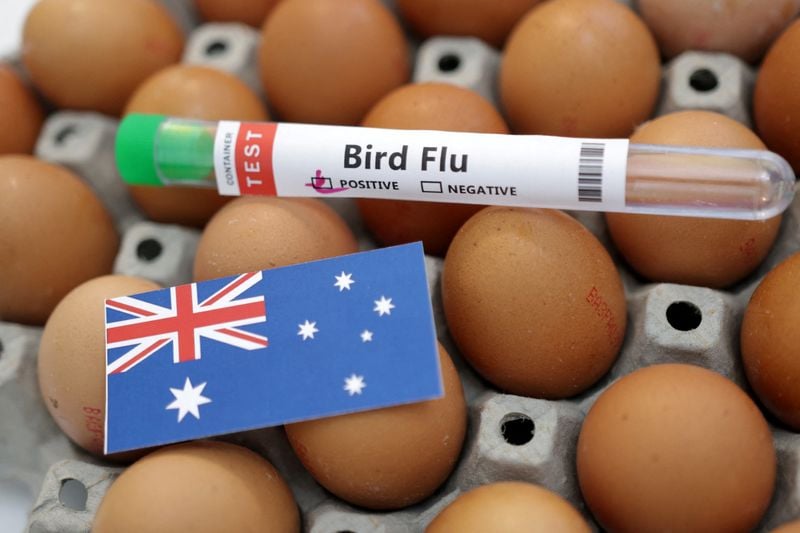
Australia confirms first H5N1 bird flu case in local mammal
HEALTH-BIRDFLU/AUSTRALIA:Australia confirms first H5N1 bird flu case in local mammal

SYDNEY - Australia has identified its first case of the deadly H5N1 bird flu in a mammal, a long-nosed fur seal found in South Australia. The seal was discovered dead at Beachport, a coastal town approximately 310 kilometers south of Adelaide, with no signs of injury. Federal Agriculture Minister Julie Collins stated that this marks the nation's first detection of the virus in a mammal.
The seal's death does not appear to be linked to other sick or deceased marine mammals. Once H5 bird flu spreads in the environment, significant losses are inevitable, Collins added. Australia reported its initial mass seabird deaths from the virus this month, indicating an intensification of the outbreak that began with migratory seabirds becoming infected before spreading to native species.
The virus has not yet been detected in Australia's poultry or agriculture, with 297 cases confirmed nationwide as of Friday. Australia is the last continent to report bird flu, although the virus was detected on the sub-Antarctic territory of Heard Island in late 2025, where over 13,000 baby seals were killed by the virus, according to local media.
Written by urgent.news from Hindustan Times - World News's reporting — not their text. Machine-written — may contain errors; check the original before relying on it.
This story
This is one outlet's version. Read the fullest account.
- ‘Devastating’: Western Australia fears a black swan moment as bird flu threatens flagship species theguardian.com
- Australia confirms first H5N1 bird flu case in local mammal brecorder.com
- Australia confirms first H5N1 bird flu case in local mammal channelnewsasia.com
- Australia confirms first H5N1 bird flu case in local mammal thejakartapost.com
- Australia confirms first H5 bird flu case in mammal after fur seal tests positive malaymail.com
- Australia Confirms H5N1 Bird Flu Case in Local Mammal en.tempo.co
- Australia confirms H5N1 bird flu case in local mammal dw.com
- Australia confirms first H5N1 bird flu case in local mammal sabcnews.com