‘Devastating’: Western Australia fears a black swan moment as bird flu threatens flagship species
The state’s bird emblem is an indicator species for H5N1, with high visibility populations and low survival rates. Experts are warning of ‘significant mortality’ Get our breaking news email , free app or daily news podcast When the black swans start dying, Western Australians will know that bird flu has truly arrived. The birds are an “indicator species” because once they are infected with the…
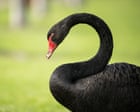
Western Australia is grappling with the potential devastation of bird flu, which poses a serious threat to the state's iconic black swan, an emblem deeply woven into the region's identity. The University of Queensland virologist Kirsty Short has warned that if the H5N1 virus infects black swans, they will likely die in significant numbers, making them a "very high risk" indicator species.
Unlike many birds, black swans lack an immune protein that helps them recognize viral infections, making them particularly vulnerable to the disease. The ornithologist Floyd Holmes from Phoenix Environmental Sciences highlights that an entire colony could be wiped out if an infected bird is present, as swans often gather and breed in specific areas.
The public is likely to notice the impacts on black swans due to their large size and distinctive appearance, having only nine weeks elapsed since the virus reached Western Australia shores. The WA government is currently testing a vaccine in five endangered black cockatoos at Perth Zoo, but the feasibility of vaccinating black swans remains uncertain, as the vaccine is not registered for wildlife use.
The federal agriculture minister, Julie Collins, has allocated $113m for bird flu preparedness, including $2m for vaccine production for captive populations. The vaccine requires two doses administered weeks apart, making widespread vaccination of wild populations impractical. Concerns have been raised about the lack of investment in research to understand the impact of avian influenza and vaccines on native species, leaving Australia unprepared for the potential consequences of this disease outbreak.
Written by urgent.news from The Guardian Australia's reporting — not their text. Machine-written — may contain errors; check the original before relying on it.
Also reported by 10 other outlets
- Australia confirms first H5N1 bird flu case in local mammal brecorder.com
- Australia confirms first H5N1 bird flu case in local mammal channelnewsasia.com
- Australia confirms first H5N1 bird flu case in local mammal thejakartapost.com
- Australia confirms first H5 bird flu case in mammal after fur seal tests positive malaymail.com
- Australia Confirms H5N1 Bird Flu Case in Local Mammal en.tempo.co
- Australia confirms H5N1 bird flu case in local mammal dw.com
- Australia confirms first H5N1 bird flu case in local mammal sabcnews.com
- Australia confirms first H5N1 bird flu case in local mammal hindustantimes.com
- and 2 more