Kestabilan politik bukan jaminan reformasi, kata pakar
Tricia Yeoh berkata kerajaan stabil mungkin kurang merasakan keperluan melakukan reformasi manakala Asrul Hadi berpendapat politik gabungan mampu galak rundingan dan persefahaman.
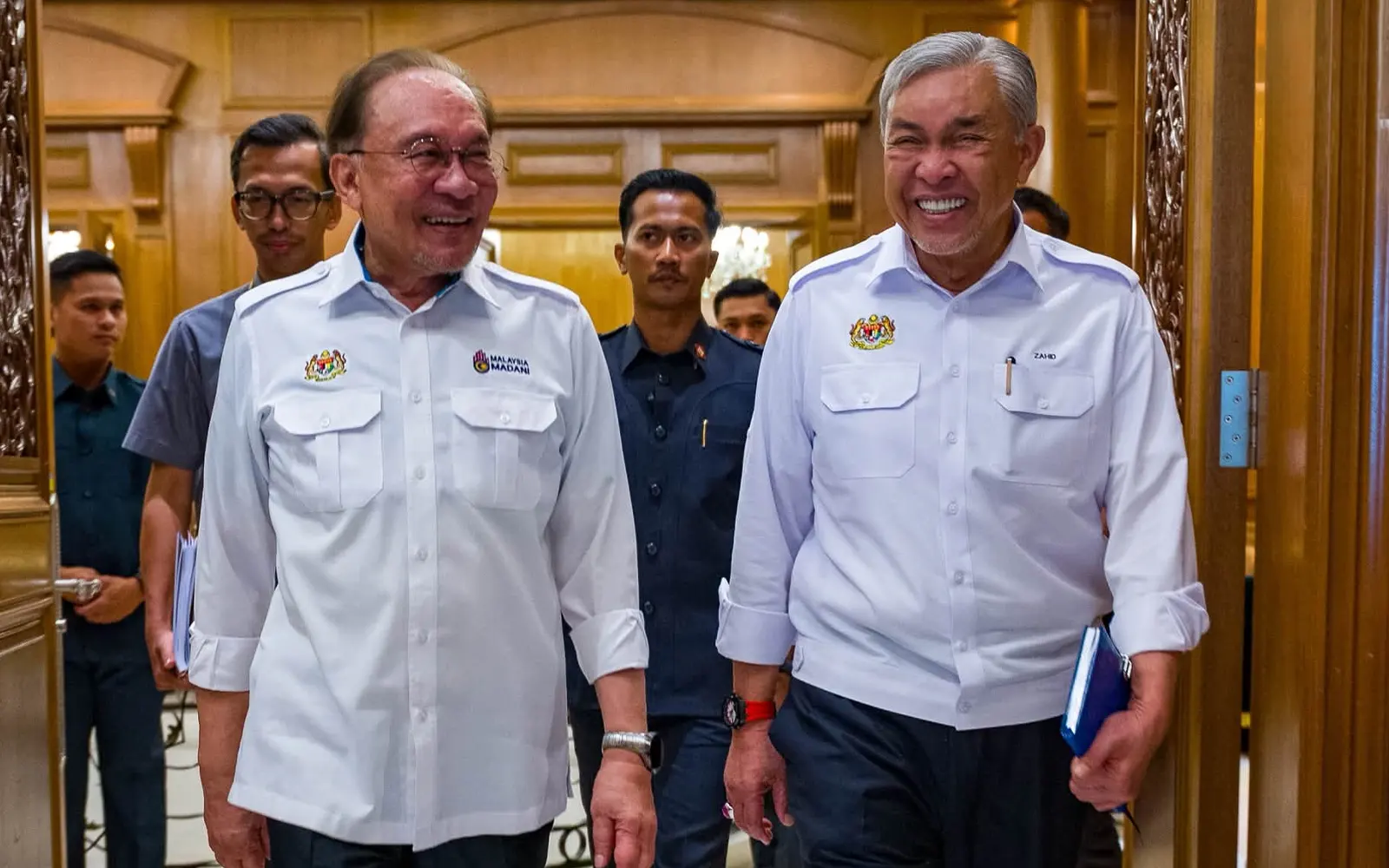
Political stability is not a guarantee of reform, according to experts. Barisan Nasional (BN) and Pakatan Harapan (PH) have governed together for nearly a full term, bringing stability and a foundation, but analysts warn that it is not a guarantee for meaningful institutional reform. Professor Tricia Yeoh of the University of Nottingham Malaysia noted that political pressure and instability sometimes compel the government to carry out reforms that are usually avoided.
She cited former Prime Minister Ismail Sabri Yaakob's signing of a Memorandum of Understanding (MoU) with PH in 2021, during which the government agreed not to dissolve Parliament before July 31, 2022, while PH agreed to support or abstain on issues related to the budget and legislation, as well as not supporting votes of no confidence.
The MoU also allowed for amendments to the Constitution prohibiting MPs from switching parties, and separate amendments redefining Sabah and Sarawak as Borneo. Under the BN-PH government, reforms in the economy and subsidies, as well as the main institutional reform, such as two-term limits for the Prime Minister, separation of the Attorney General and Prosecutor General, and the Information Freedom Act, are still incomplete.
These delayed reform agendas have become a political issue for the DAP, which is considering leaving the BN-PH government, although their representatives eventually voted to stay. Political analyst Asrul Hadi noted that stability brought by the BN-PH arrangement clearly brings benefits, especially after years of political instability and government changes.
The strength of this model is not only in maintaining the unity of the government, but political stability ensures the basic rights and investor confidence needed for long-term economic growth. This arrangement also ensures a better balance and weighing, as no single component can dominate the government as it did under the BN administration.
Each of BN, PH, and the parties in Malaysia East have political power, electoral constituencies, and their interests. This may complicate decision-making, but it also forces more discussion and understanding. While BN and PH have a history and ideology difference, they have successfully governed together for a full term since the 2022 general election when both blocs failed to win enough seats to form a government on their own.
Although they have historical and ideological differences, the two blocs have managed to govern together for a full term. However, BN appears to be moving further away from PH and seeks deeper cooperation with Perikatan Nasional (PN) led by PAS, after joining informally in the Negeri Sembilan PRN where the bloc won two-thirds of the 36 DUN seats.
BN won 18 seats, while PN won seven. For Yeoh, the advantage of BN-PH is not just an ideological difference, but the difference can force the coalition to build a more inclusive national agenda. She emphasized that any government coalition still needs to uphold the spirit of federalism and represent the interests of Malaysian people regardless of race or religion.
Written by urgent.news from Free Malaysia Today's reporting — not their text. Machine-written — may contain errors; check the original before relying on it.
This story
This is one outlet's version. Read the fullest account.
- Kestabilan politik bukan jaminan reformasi, kata pakar freemalaysiatoday.com