Europe's river crisis is becoming a supply-chain crisis
EXCEPTIONALLY low river levels in a Europe hit hard by drought and record heat have plunged transporters into turmoil this summer, driving up costs that everyday consumers could end up bearing.
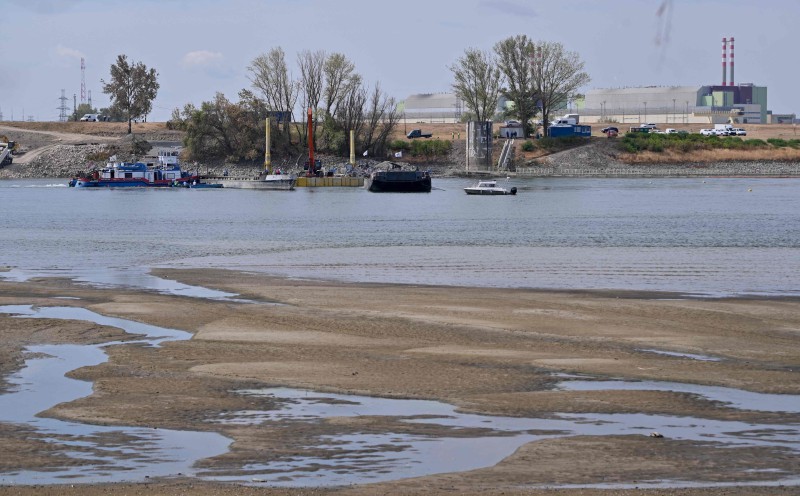
Scorching drought and record heat have triggered a river crisis in Europe, setting off a cascade of supply-chain complications for consumers. Major rivers, such as the Rhine and Danube, are experiencing unprecedented water shortages, a direct consequence of climate change, according to scientists. The predicament is particularly dire in Germany, situated on the Rhine, the backbone of Europe's inland waterway transportation network.
This crisis has paralyzed most inland ports along the Rhine, rendering barges unable to reach them. The water gauge at Kaub, a pivotal bottleneck, plummeted to a mere 6cm in August, below the prior record low of 25cm in 2018. This has had a ripple effect across the major industrial corridor emanating from Rotterdam.
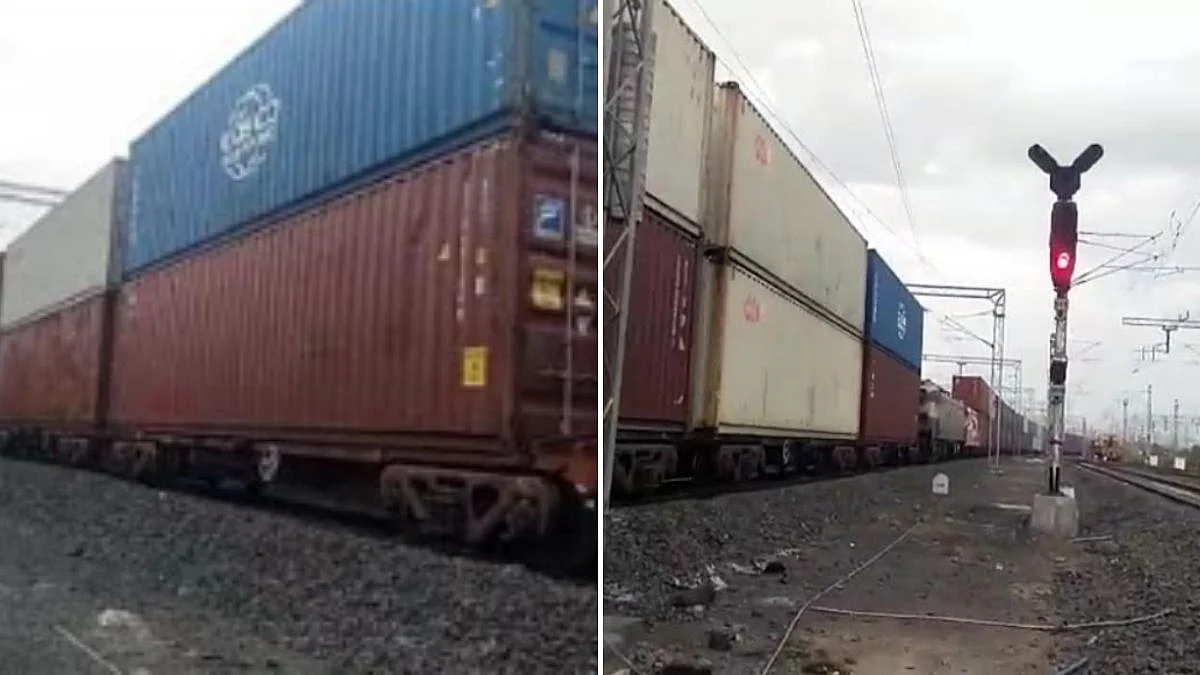
Freight forwarders, through Clecat, have highlighted the acute disruption on the Rhine, particularly at Kaub. The situation is also grave on the Danube, notably in Serbia, Hungary, and Romania. Transporters are striving to mitigate the impact by offloading cargo onto trains or trucks, aiming to minimize the distance traveled on the Rhine. However, this is a limited solution.
Jean-Laurent Kistler, the development director of the French waterways authority in Strasbourg, estimates that shifting a single barge load requires 100 to 200 trucks. Many bulk commodities, like chemicals, hydrocarbons, construction materials, and grain, are difficult to transfer to containers, exacerbating the issue.
The Clecat association has noted the surge in transport costs, delays, postponed shipments, and reduced production flexibility. Ships now carry significantly less cargo, with the load on the Rhine dropping from an average of 1,500 tonnes to 400 tonnes in August. This reduced capacity translates to higher unit costs due to lighter barge loads, which carriers pass on through low-water surcharges. These surcharges have skyrocketed to over €1,000 per container at the most affected points like Kaub or Cologne.
Whether these elevated logistics costs will ultimately manifest as higher consumer prices hinges on the duration of the disruption, the specific commodity, and the company's ability to absorb or pass on the costs. While it's premature to forecast consumer price increases, Charpentier warns that these additional expenses are challenging to bear entirely.
With droughts expected to become more frequent, stakeholders are banking on more resilient vessels and enhanced intermodal transport, combining various modes of transportation. However, water management also plays a crucial role, as VNF's Kistler points out. France has invested in reservoirs and diversion channels along its Rhine segment to manage water flows, but Germany's freely flowing river is reliant on rainfall. While the situation is far from optimal, it's a step in the right direction.
Written by urgent.news from New Straits Times's reporting — not their text. Machine-written — may contain errors; check the original before relying on it.