Your gums are trying to tell you something — Nor Shafina Mohamed Nazari
AUGUST 21 — Seeing a little blood in the sink after brushing or flossing is easy to dismiss. Some people assume th...
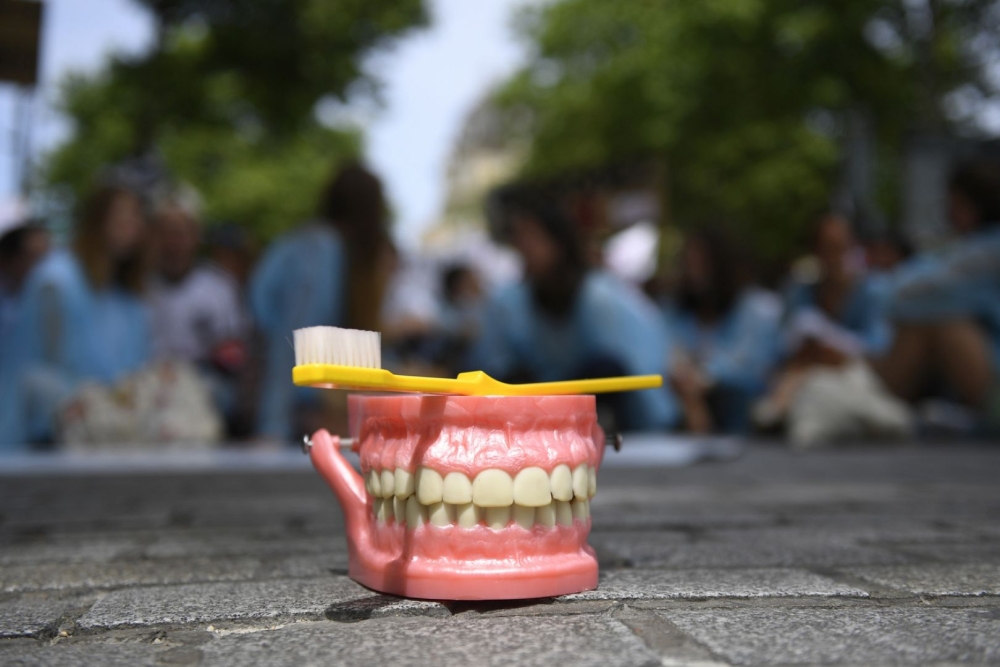
On August 21, dental professionals highlight that seeing blood in the sink after brushing or flossing is not to be ignored. Repetitive gum bleeding is an early sign of inflamed gum tissue around teeth. This inflammation, called gingivitis, can be accompanied by redness, swelling, tenderness, or bad breath. However, in the early stages, there may be little discomfort. The reason bleeding gums often go unnoticed is the absence of pain.
Plaque, a soft, sticky film of bacteria, constantly accumulates on teeth. When left around the gumline, plaque causes gum inflammation. Gingivitis, the early stage of gum disease, is potentially reversible with effective brushing and cleaning between teeth. If plaque remains, it can mineralize into tartar, which cannot be removed by brushing or flossing and requires professional cleaning.
While gingivitis is reversible, if left untreated, it can progress to periodontitis, where inflammation spreads to deeper tissues and bone supporting the teeth. This can lead to gum recession, tooth mobility, and eventual tooth loss. Persistent bad breath and discomfort while chewing may also occur.
Bleeding gums should be considered in the context of overall health. Pregnancy can make gums more reactive to plaque due to hormonal changes, leading to swollen, tender gums that bleed. Diabetes and certain medications can also influence gum health and bleeding.
Dentists should be informed about relevant medical conditions and medications. Regular dental check-ups can help determine whether the bleeding is due to gingivitis, tartar, or more advanced periodontitis. Treatment depends on the severity of gum disease.
Written by urgent.news from Malay Mail's reporting — not their text. Machine-written — may contain errors; check the original before relying on it.