How a world-leading health study in a small town helped shape modern medicine
Since 1966, the Busselton Health Study has made several life-saving medical advancements possible, changing the way some chronic diseases are treated around the world.
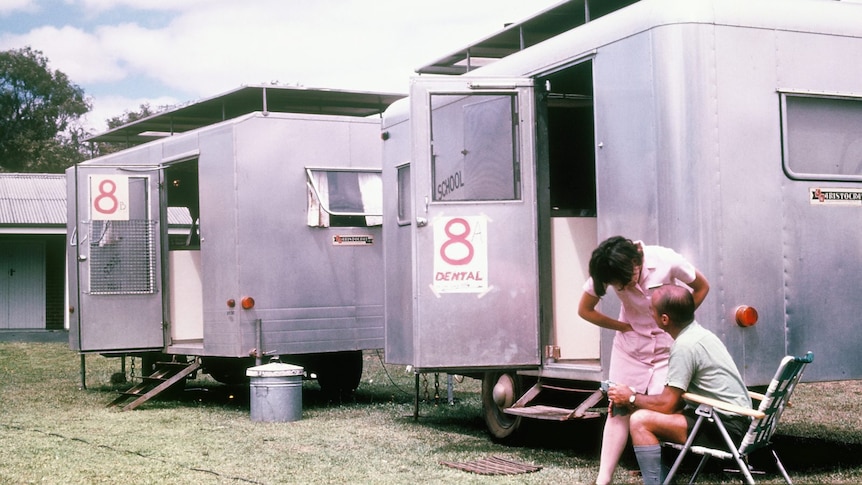
In 1966, West Australian GP Dr Kevin Cullen launched a groundbreaking health study in the small town of Busselton, enlisting the participation of over 90% of the town's adult residents. The Busselton Health Study, now in its 60th year, has amassed data from more than 20,000 individuals, publishing 500 scientific papers and informing clinical guidelines worldwide for conditions like heart disease, sleep apnoea, diabetes, and asthma.
To celebrate this milestone, a mobile caravan equipped with medical equipment has returned to Busselton, providing free health checks to participants in exchange for valuable medical tests. One volunteer, Dawn Townsend, credits the study for saving her husband's life, while Jean Chant has participated for over two decades, cherishing the sense of community it fosters.
However, the study faces challenges in attracting new residents, as they may be unfamiliar with its significance. Dr Cullen's innovative approach—providing participants with their test results—transformed the perception of health research, inspiring future generations to contribute to this world-leading study.
Written by urgent.news from ABC News AU's reporting — not their text. Machine-written — may contain errors; check the original before relying on it.