Why staging of a play on Snehalatha Reddy’s ordeal has sparked battle on Emergency, morality and artistic freedom in Keralam
While critics of MISA have accused the production of obscenity, objecting to certain intense and costume choices, the play’s cast, cultural figures and DYFI leaders have defended it as a powerful portrayal of 'state terror and political repression’
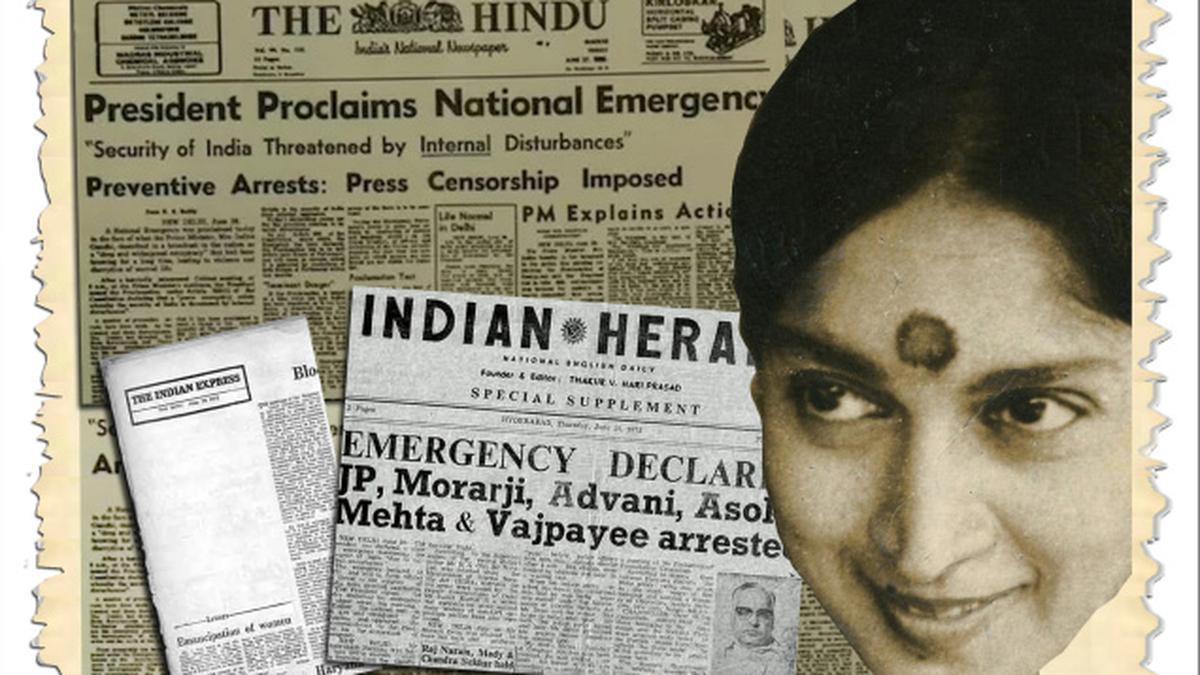
MISA, a play recounting the custodial torture and persecution experienced by artist and activist Snehalatha Reddy during India's Emergency period of 1975, has ignited a significant social media debate following its recent performance at the DYFI State Conference in Thrissur, Keralam. Critics have lambasted the production for its perceived obscenity, objecting to the play's intense and realistic scenes and costume choices.
However, the cast, cultural figures, and DYFI leaders have vehemently defended MISA as a compelling depiction of "state terror and political repression." They argue that brief clips and isolated visuals from the performance were taken out of context, leading to widespread moral outrage and allegations of indecency.
Staged by Chilanka Floating Theatre in Kozhikode, the play centers on Snehalatha Reddy's story — an actor, producer, writer, and activist who resisted the Emergency regime imposed in 1975. Her ordeal included political persecution, imprisonment, torture, and a tragic death shortly after her release. Critics who focus solely on specific scenes through a moral lens, according to DYFI State secretary V.K.
Sanoj, are attempting to overlook the severe persecution endured by individuals during the Emergency. Sanoj emphasized that MISA is not merely a performance for entertainment but aims to expose the audience to the violence and repression of that era.
The production will be staged once more at the public meeting venue of the DYFI State Conference on August 22, as announced by Sanoj. Snehalatha Reddy was more than a political activist; she was also a prominent actress and producer, who gained national recognition through the Kannada film Samskara, based on U.R. Ananthamurthy's story and directed by her husband Pattabhi Rama Reddy.
However, her political activism led to her arrest on May 2, 1976, under the Maintenance of Internal Security Act (MISA), which allowed for detention without trial. Reddy spent eight months in Bangalore Central Jail, enduring harsh conditions, torture, and inadequate medical care. She was released on parole on January 15, 1977, but tragically passed away five days later on January 20.
Chinnoos Chilanka, who plays Snehalatha Reddy in the play, acknowledged that portions of the performance had been edited and disseminated on social media with a more obscene tone. Chilanka, responding to the controversy, stated that the play's purpose had been accomplished and it had reached its intended audience. Chilanka affirmed the play's central theme: MISA fundamentally revolves around state terror and silencing those who question authority.
She pledged to continue portraying characters like Reddy, Bilkis Bano, and others whose stories need to be told.
Writer and activist Saradakutty strongly defended the play, describing the controversy as a result of individuals viewing an artistic work through outdated perspectives while disregarding its political significance and historical context. Saradakutty argued that reducing the production to a few provocative moments overlooks the broader artistic and political narrative.
Sanoj contended that those fixating on a single scene were missing the larger message of Snehalatha Reddy's life: that the politics of silencing dissenters did not cease with the Emergency.
Written by urgent.news from The Hindu's reporting — not their text. Machine-written — may contain errors; check the original before relying on it.