US-sanctioned ICC head warns against ‘demise of international rule of law’
Washington sanctioned International Criminal Court president Tomoko Akane and Senegalese trial lawyer Abdoulaye Seye as part of the Trump administration's campaign against the court.
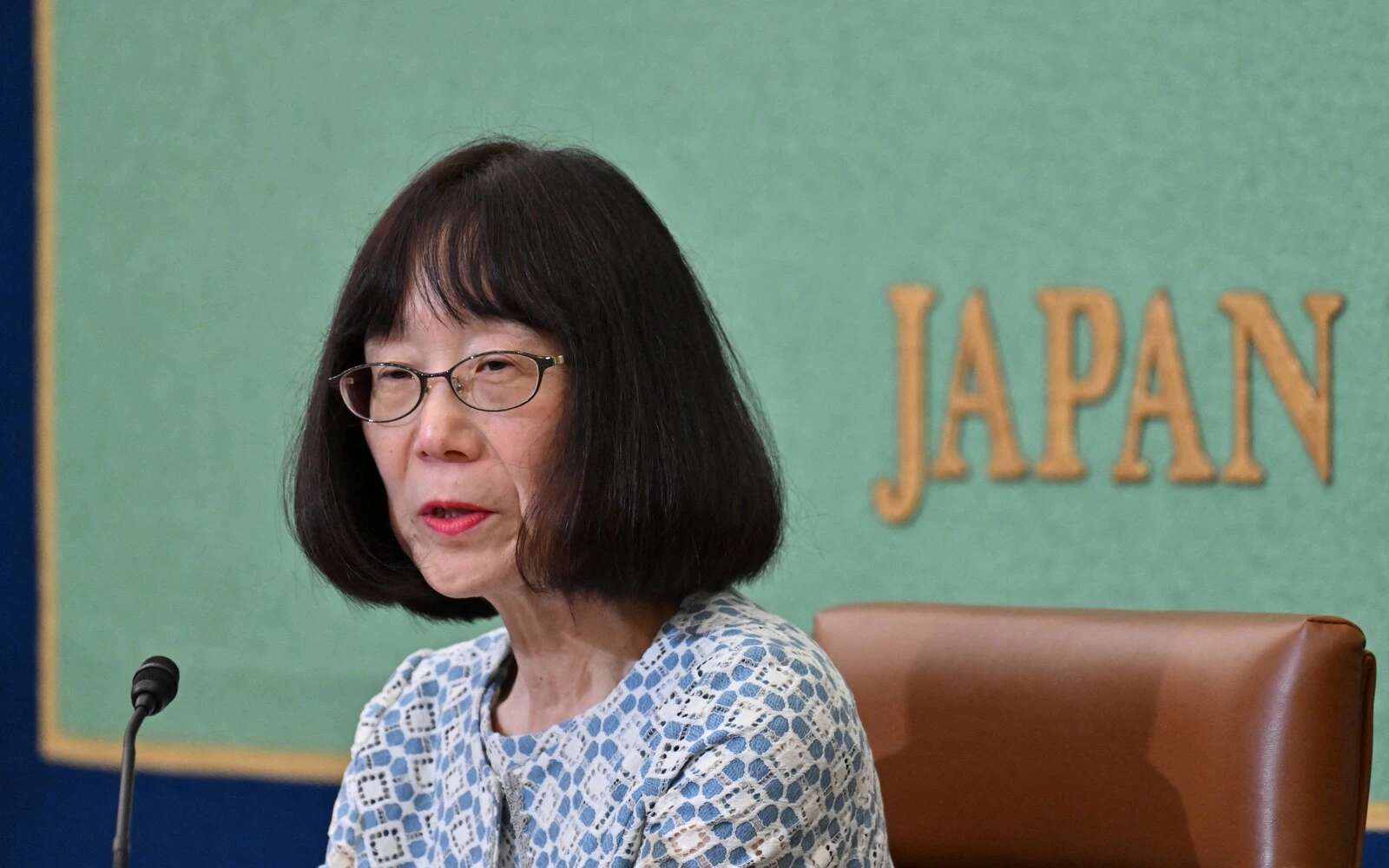
International Criminal Court (ICC) president Tomoko Akane of Japan has cautioned against the potential collapse of the international rule of law following US sanctions against her and another ICC official. Washington imposed these sanctions on Akane and trial lawyer Abdoulaye Seye of Senegal on Tuesday as part of a perceived campaign against the ICC, which US officials deem as "corrupt and fatally politicised."
Akane, who is the first Japanese president of the ICC, expressed her surprise at the sanctions, stating that she expected them to some degree. However, she emphasized the critical importance of maintaining the international rule of law, warning against the commencement of its decline.
The sanctions bar Akane and Seye from entering the United States and conducting financial transactions within the US financial system. Akane's response to the sanctions came after the ICC called them a "flagrant attack" on the court's independence. Volker Turk, the UN rights chief, and top officials from the European Union also voiced their support for Akane and the ICC.
The US sanctions follow previous measures imposed on several ICC officials, largely in response to the court's investigations involving Israel, a close US ally. Japan, the largest contributor to the ICC and a US ally, has objected to the sanctions on Akane, reaffirming its consistent support for the ICC's efforts to prosecute and punish serious crimes of international concern and uphold the rule of law.
The ICC, established in 2002, is responsible for prosecuting individuals accused of the most serious crimes of international concern, including genocide, war crimes, and crimes against humanity. The United States signed the Rome Statute that created the ICC but never ratified the treaty. Israel, Russia, and China are not ICC members.
In 2023, the ICC issued an arrest warrant for Russian President Vladimir Putin over its involvement in the war in Ukraine, leading Moscow to issue arrest warrants for several ICC officials, including Akane. Despite the ongoing tensions, Akane maintains that the ICC can easily replace a single judge, indicating that her and the court's value extends beyond an individual's tenure.
Written by urgent.news from Free Malaysia Today's reporting — not their text. Machine-written — may contain errors; check the original before relying on it.
This story
This is one outlet's version. Read the fullest account.