Russia gives drones their own military branch as modern warfare enters a new era
In a significant development, Russia has established a new command for unmanned systems forces, appointing General Denis Lyamin as its leader. This initiative marks a pivotal transformation in Moscow's approach to modern warfare. Meanwhile, Ukraine has also unveiled its long-range impact command, highlighting the increasing reliance on drones in both nations' military strategies.
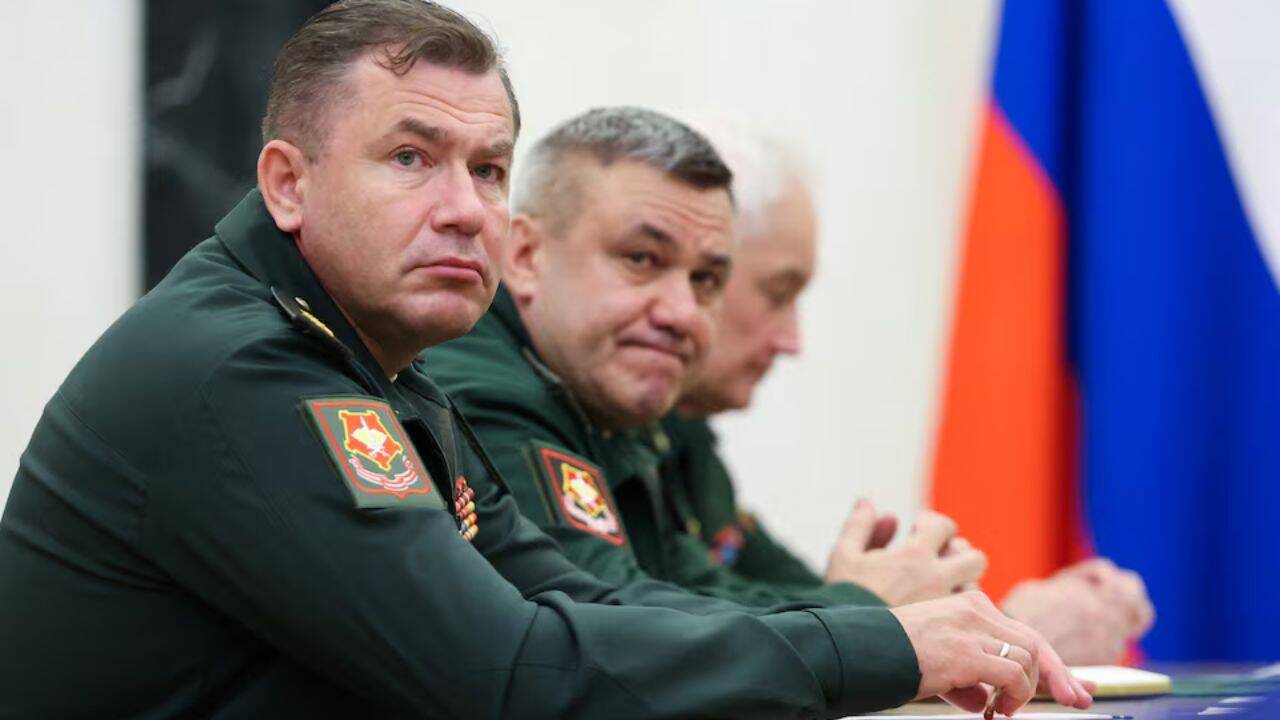
Russia has established a dedicated military branch for its unmanned systems, signalling a significant evolution in the nation's approach to warfare as drones take center stage on the battlefield. General Denis Lyamin assumed command of this new unmanned systems force on Friday, following Defence Minister Andrei Belousov's formal appointment of the general.
President Vladimir Putin had previously selected Lyamin, praising him as "one of the most qualified specialists" to lead this innovative force and oversee its formation. Lyamin's background includes serving as the chief of staff for Russia's Centre Group of Forces in Ukraine, bolstering his conventional battlefield experience for the new unmanned warfare role.
Lyamin's appointment comes as Ukraine has also created its own "long-range impact" command, underscoring the increasing importance of dedicated unmanned warfare structures in the Russia-Ukraine conflict. Both sides have increasingly relied on drones for long-range strikes, reconnaissance, and attacks on critical targets far behind the front lines.
The scale of drone warfare has transformed the battlefield, rendering unmanned systems no longer confined to specialised units within traditional military branches. Instead, their multifaceted roles extend far beyond short-range FPV attacks, now encompassing reconnaissance, targeting, deep strikes, and attacks on Russian military and industrial infrastructure.
Ukrainian President Volodymyr Zelenskiy recently revealed that Ukrainian drones have developed the ability to operate at ranges of over 3,000 km, demonstrating how unmanned systems are extending the battlefield far beyond the immediate frontline. The sheer size of drone operations presents a command challenge that conventional military structures were not originally designed to handle.
A modern drone operation often involves reconnaissance UAVs identifying a target, another drone providing real-time observation, an FPV system executing the strike, and electronic-warfare units safeguarding the link or disrupting the enemy's drones. Centralising these functions under a unified command structure, doctrine, training system, and operational framework can better integrate these diverse components, unlike their dispersed distribution across infantry, artillery, intelligence, and electronic-warfare formations.
Written by urgent.news from Times of India's reporting — not their text. Machine-written — may contain errors; check the original before relying on it.