Nepal’s Tibet Conference Controversy Is About More Than Chinese Pressure
The cancellation of the in-person event also reflects Nepal’s lack of confidence in its ability to manage politically sensitive events.
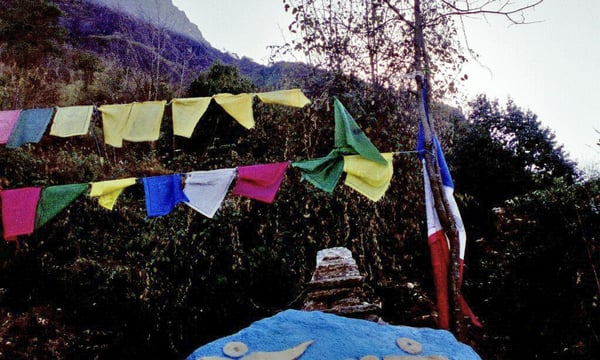
The cancellation of the 17th Seminar of the International Association for Tibetan Studies (IATS) in Kathmandu from August 23-29 has been seen in Nepal and abroad as a result of China exerting undue pressure on the Nepali government. However, this perspective is not the full story. The cancellation is also indicative of the troubled relationship between Nepal and China, insufficient diplomatic engagement, and the Nepali state's hesitance in managing politically sensitive events.
The current Prime Minister, Balendra Shah, along with other senior leaders of the Rastriya Swatantra Party (RSP), had a challenging start with China. The Gen Z uprising of September 2025, which led to the Oli government's downfall and facilitated the rise of the RSP, saw participation from youths wearing T-shirt insignia, believed to stand for "Tibetan Original Bloodline."
Although there was no substantial evidence to support this claim, it gained traction among pro-Beijing circles, alongside the notion that the Gen Z protests were orchestrated by Western spy agencies.
Adding to China's doubts about the Shah government's commitment to the "One China" policy, the Dalai Lama congratulated the previous interim government led by Chief Justice Sushila Karki when Shah took office, but he did not respond to the congratulatory messages. Furthermore, when the Dalai Lama officially expressed his good wishes during Shah's tenure, the Nepali side remained unresponsive.
China also took note of Western diplomats openly attending the Dalai Lama's birthday celebrations in Kathmandu, interpreting it as a sign of Nepal's lack of dedication to the "One China" policy.
The IATS conference, planned for four years and intended to host around 700 delegates, was canceled at the last minute and subsequently moved online. This decision led many to believe that China's growing influence in Nepal was responsible. China had been increasingly vocal since Xi Jinping became president in 2013, often expressing concern over the "nefarious" actions of Western forces and Nepal's ability to safeguard Chinese interests.
They were also reluctant to restrict the rights of Tibetan refugees and were wary of critical coverage of China and Xi.
While China was sensitive about potential pro-Tibet activities in Nepal, its primary concern was Nepal's lack of support for China. The government may have seen accommodating Beijing's concerns over the IATS conference as a means to ease tensions. Moreover, there were fears of possible clashes between pro-China and anti-China groups during the conference, and broader protests among the Tibetan community in Nepal.
Despite priding itself as a haven for free speech in South Asia, Nepal needed to display astute diplomacy and robust institutions to independently evaluate genuine security risks while allowing open debate.
Written by urgent.news from The Diplomat's reporting — not their text. Machine-written — may contain errors; check the original before relying on it.