Iran's President: Time to End War in 'Position of Strength'
Iran's Pezeshkian says it is time to end the war with the U.S., stressing Tehran's strength and refusal to bow to intimidation.
Iranian President Masoud Pezeshkian stated on Friday that it would be an opportune time to work towards ending the conflict with the United States, according to state media reports. This comes amid conflicting messages from both Iranian officials and U.S. President Donald Trump regarding the ongoing war. The partial truce agreed upon in June has remained ambiguous, having expired without progress or renewal on Monday.
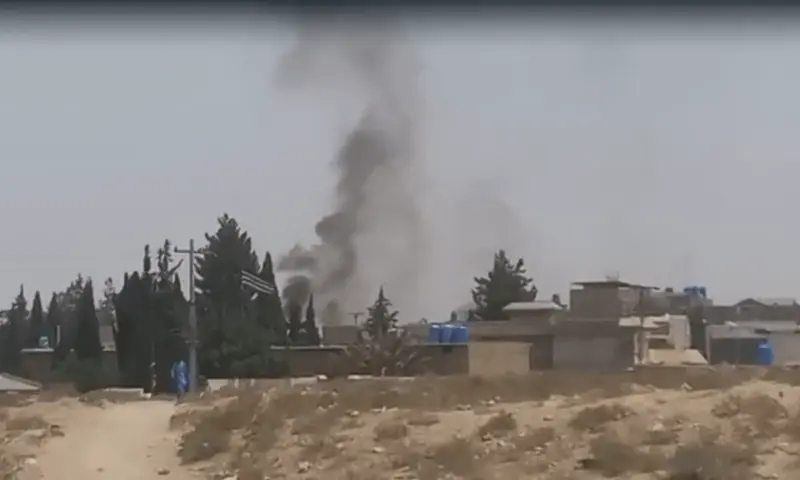
Iran continues to restrict shipping through the Strait of Hormuz, while the U.S. aims to enforce a blockade of Iran's ports. Trump threatened increased economic pressure on Iran, though the extent of U.S. actions against the heavily sanctioned country remains uncertain.
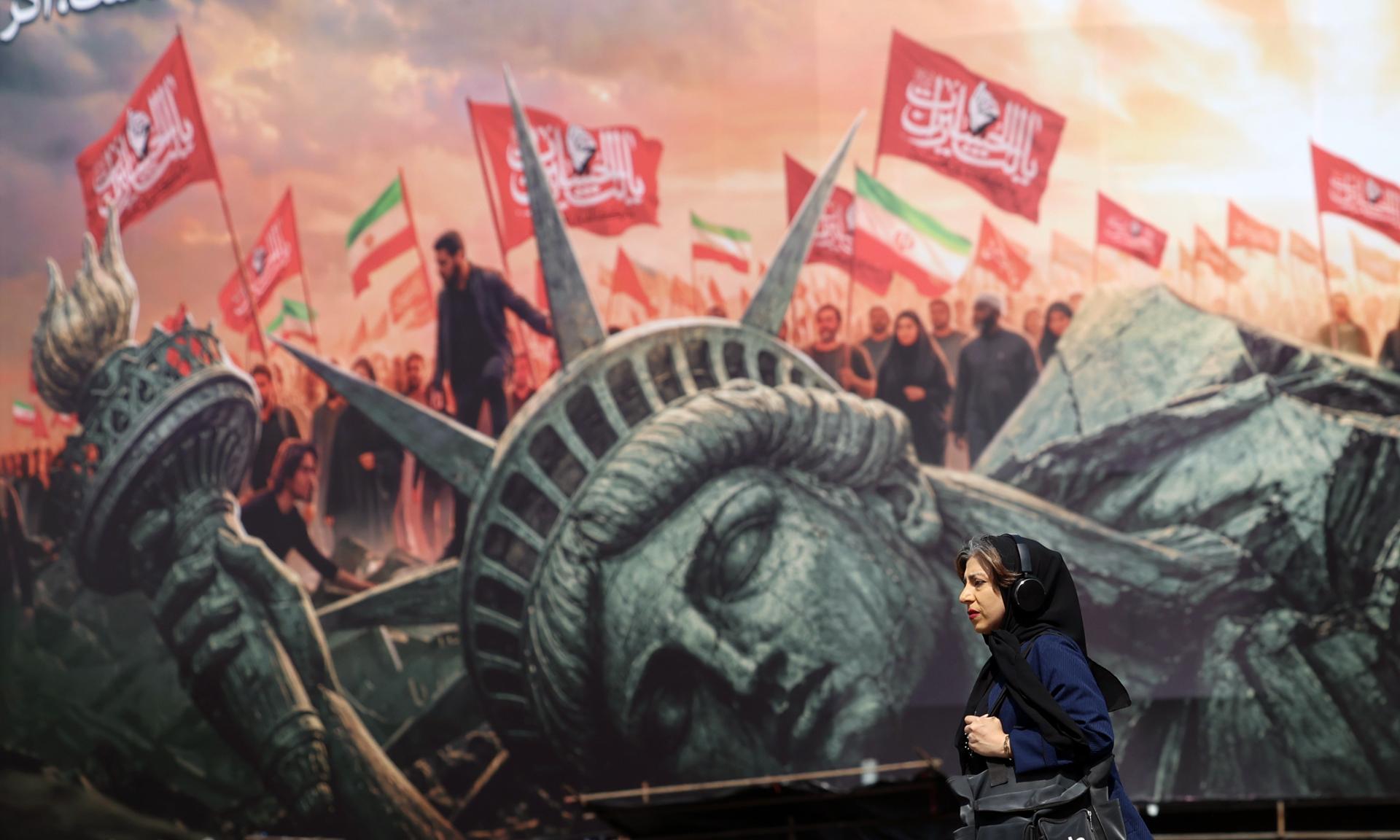
Pezeshkian noted that Iran is in a position of strength and dignity, and that the world acknowledges Iran's victory. He emphasized that America has attacked Iranian schools, hospitals, and infrastructure in violation of regulations, earning global condemnation. Pezeshkian argued that the faltering 15-point Memorandum of Understanding signed in June does not signify a defeat for Iran, as most of its commitments concern the U.S. rather than Iran.
Key examples of Iranian commitments include allowing temporary commercial transit through the Strait of Hormuz and reaffirming Iran's commitment not to develop nuclear weapons.
The U.S. President threatened "the most crushing economic operation ever taken against another country," referring to it as an "economic D-Day." Treasury Secretary Scott Bessent described the proposed economic isolation as the "greatest coordinated economic isolation in the history of the world," aiming to collapse Iran's regime and render military intervention unnecessary. China, Iran's primary trading partner, remains unclear in its potential role in the impending economic measures.
Iran's military leadership also emphasized a stern response to any further U.S. isolation attempts. Major General Ali Abdollahi warned of a broad and decisive military reaction if necessary. Meanwhile, chief negotiator Mohammad Qalibaf called for intensified negotiations, stating that Washington appeared to realize it couldn't win a direct military confrontation. He urged the U.S. to make plans to deal with unjust sanctions and overcome them.
Written by urgent.news from Tempo.co English's reporting — not their text. Machine-written — may contain errors; check the original before relying on it.
This story
This is one outlet's version. Read the fullest account.