How this 1960s ex-council house is managing to stay cool without air con
The Passivhaus standard is growing in popularity as UK homeowners adapt to hotter summer temperatures.
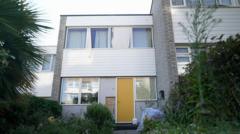
In south London, a 1960s ex-council house is basking in cool comfort without the use of air conditioning. Marion Baeli, the homeowner and architect behind this retrofit, compares her house to a well-insulated flask. Baeli's house stayed 10C cooler than outside on the hottest day of this summer's fourth heatwave. Passivhaus is an international building standard that involves sealing a home against external elements, resulting in up to 90% less energy consumption than typical houses.
The Baeli family's retrofit began with insulation of shared walls, flooring, and the roof, followed by the replacement of thermal bridges and installation of new triple-glazed windows. The Passivhaus Trust acknowledges that retrofitting to this standard can be expensive, with Baeli's project costing around £80,000. However, the trust estimates that building new homes to the Passivhaus standard can be 2-5% more expensive than conventional construction.
The Future Homes Standard, set to take effect in March, raises building and energy performance requirements for new homes in England, bringing them closer to the Passivhaus standards.
Written by urgent.news from BBC Science's reporting — not their text. Machine-written — may contain errors; check the original before relying on it.