Greater autonomy can help ease shortage of specialists, say doctors
Medical fraternity says greater workforce autonomy is a positive step, but issues such as the lack of trainers, low retention and poor working conditions must also be addressed.
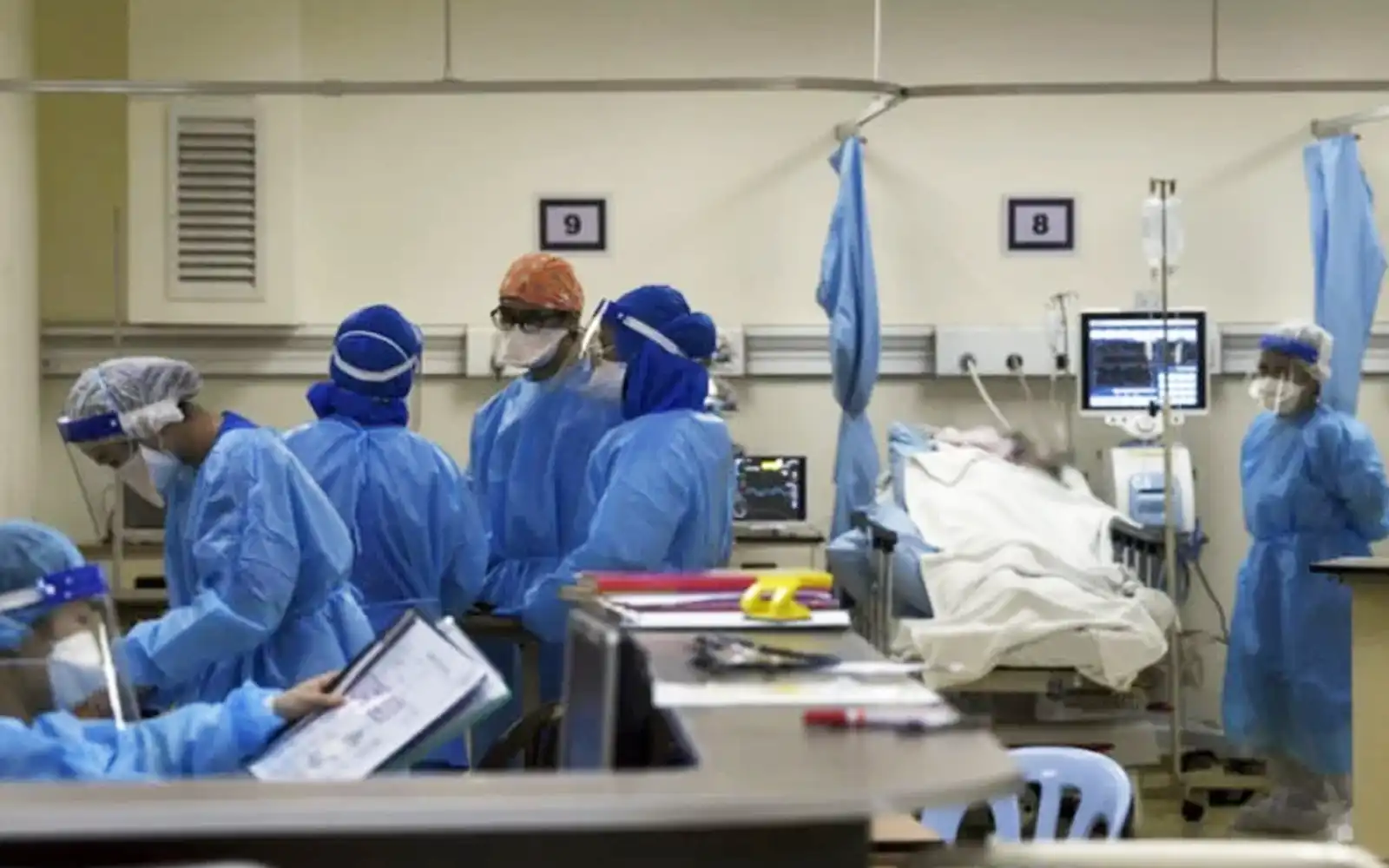
Malaysia's health ministry has been granted greater autonomy to manage its workforce, a move aimed at addressing a shortage of medical specialists in public hospitals. Doctors believe that this expanded authority could help alleviate the issue, but they also emphasize the need for broader reforms to train and retain sufficient specialists in the long run.
Consultant paediatrician Dr Amar-Singh HSS highlighted the severity of the shortage, noting that the ministry currently employs 9,040 specialists across 29 core specialties, while approximately 22,435 specialists will be needed by 2030. He highlighted that the shortage is particularly acute among general physicians, paediatricians, and surgeons, who handle the bulk of the workload in their respective fields.
While the ministry's new autonomy might provide some relief, it is not a long-term solution without further reforms. Dr Muhammad Yassin from the Hartal Doktor Kontrak group echoed the sentiment that greater autonomy is a positive step, but stressed the importance of adequate funding, career progression, postgraduate training opportunities, and improved working conditions.
The health ministry's grant of full autonomy on July 9 allows it to independently manage, organise, and distribute workforce based on healthcare system needs. Dzulkefly Ahmad, the health minister, stated that this move would enable the ministry to expedite the placement of healthcare workers according to service requirements, address manpower imbalances, and tackle shortages at certain facilities.
Factors contributing to the shortage include limited training positions and doctors shifting to the private sector or abroad. Yassin called for expanded specialist training pathways beyond local Master of Medicine programmes, advocating for well-regulated parallel routes to increase the number of specialists without compromising quality.
The government has allocated 4,500 permanent medical officer positions this year, bringing the total since 2023 to 18,564. The health ministry also set up a task force to improve position management and is collaborating with the higher education ministry on workforce planning.
Written by urgent.news from Free Malaysia Today's reporting — not their text. Machine-written — may contain errors; check the original before relying on it.
Also reported by 1 other outlet
- Greater autonomy can help ease shortage of specialists, say doctors freemalaysiatoday.com