Worst’ ever El Nino to bring heavy rains, drought to Sri Lanka
El Nino is a natural climate variation that warms surface temperatures in the central and eastern equatorial Pacific Ocean, bringing worldwide changes in winds and rain patterns.
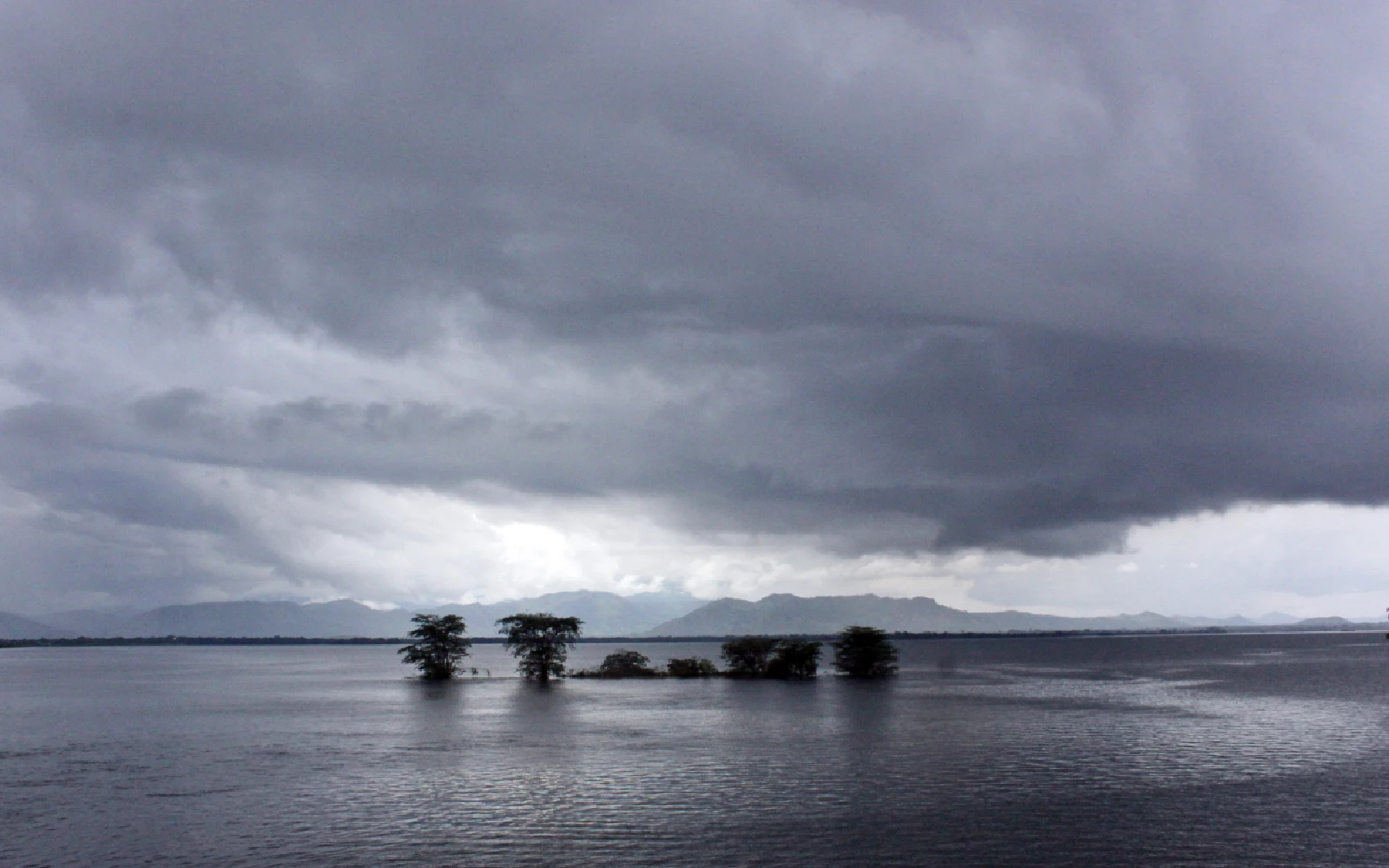
Sri Lanka anticipates its worst-ever El Nino climate phenomenon, which will bring heavy rains from late September to December and a prolonged drought early next year, according to the environment minister. This natural climate variation warms surface temperatures in the central and eastern equatorial Pacific Ocean, disrupting global wind and rain patterns. Human-induced climate change exacerbates its effects due to the increased energy and moisture in the ocean and atmosphere, leading to more extreme weather events.
The government has established a ministerial panel to address the consequences of this anticipated El Nino, particularly since agriculture employs about a quarter of Sri Lanka's workforce and significantly contributes to the economy. Weather experts predict the current dry spell will transition into heavy rains, followed by a severe drought between January and April. The minister emphasized that this will pose significant challenges for the nation.
To prepare for the impending crisis, authorities have urged rice farmers to commence the main planting season in early October, two weeks earlier than usual, to capitalize on the anticipated early rains. The government is also assessing the potential impact of erratic weather on economic growth as Sri Lanka recovers from its financial crisis in 2022.
Currently, water reservoirs, which supply hydroelectric power stations, are at 56% capacity, which is better than previous years, but there are concerns about water availability next year if drought conditions worsen as forecast.
The high water levels in reservoirs provide some reassurance, but there are apprehensions about water scarcity if the predicted drought intensifies. Intense rains between October and December could trigger mudslides in mountainous regions, an issue that worsened following Cyclone Ditwah in November. This cyclone affected nearly the entire island, resulting in nearly 650 fatalities and causing extensive damage to infrastructure, estimated at around US$4.1 billion by the World Bank.
Written by urgent.news from Free Malaysia Today's reporting — not their text. Machine-written — may contain errors; check the original before relying on it.
Also reported by 1 other outlet
- Worst’ ever El Nino to bring heavy rains, drought to Sri Lanka freemalaysiatoday.com