Why couldn’t NGOs sue to stop blasting of Chinese white dolphin habitat?
When the ocean is at stake, the courts consider environmental public-interest lawsuits as beyond the remit of civil society organisations The post Why couldn’t NGOs sue to stop blasting of Chinese white dolphin habitat? appeared first on Dialogue Earth .
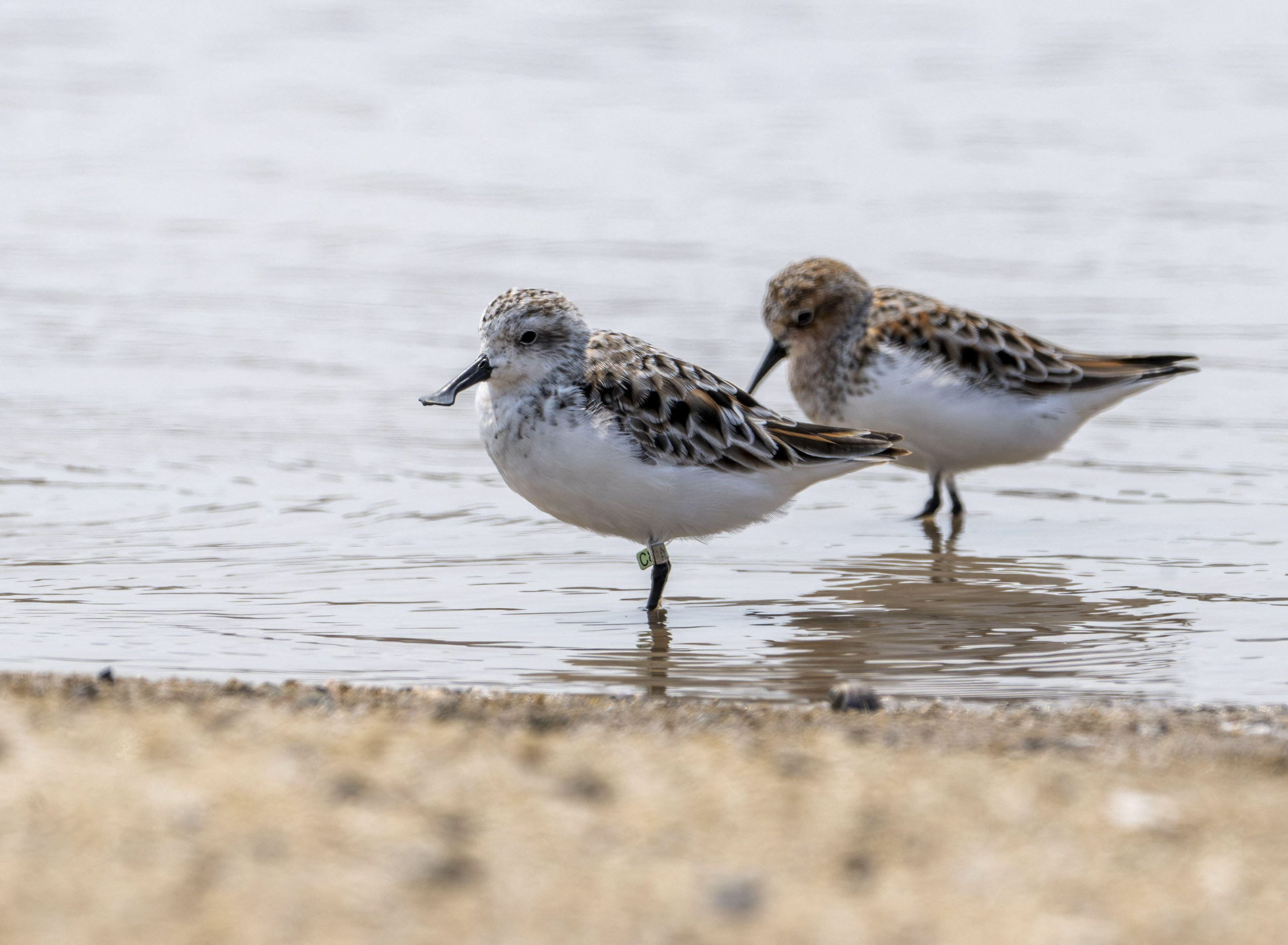
When volunteers of environmental organizations learned that underwater blasting was scheduled in an essential habitat for Chinese white dolphins, they employed all possible measures to halt the activity. The reef blasting was slated for Weitou Bay, Fujian Province, as part of a pier construction project. The volunteers investigated potential legal violations, reached out to authorities to determine the circumstances, and heightened public awareness via press and social media platforms.
Circumstances escalated rapidly. Upon receiving numerous complaints, the responsible authorities temporarily halted the blasting. Subsequently, Friends of Nature filed a public-interest lawsuit, aiming to prevent the pier project's resumption. However, in August 2025, the court dismissed the application, asserting that environmental organizations lacked the necessary standing to initiate such a case. Subsequently, staff from Friends of Nature and ChinaBlue penned an account of their endeavors.
China's mechanism for submitting environmental public-interest lawsuits has been developing for over a decade, with environmental groups pursuing cases concerning pollution, wetland conservation, and wildlife protection. Nonetheless, ocean-related cases are frequently rejected by courts, who argue that environmental organizations do not possess the requisite standing to act as plaintiffs.
This disparity arises due to several factors. Firstly, marine ecosystems are extensive, and the consequences of damage can be long-lasting, making recovery for many marine species difficult, if not impossible. Human activities such as port construction, land reclamation, sand dredging, or offshore energy development can inflict ecological impacts across administrative boundaries, complicating management.
In the Weitou Bay case, Friends of Nature and ChinaBlue discovered that the authorities were attempting to shift responsibility back and forth, leaving the organization with no one to engage with, ultimately resorting to a lawsuit as their "last resort."
Despite the limited scope for marine public-interest lawsuits, academics emphasize their importance for ocean conservation. However, the rules favoring marine environmental authorities or prosecutors render these cases improbable. A legal interpretation from the Supreme People's Court and Supreme People’s Procuratorate in 2022 affirmed that administrative bodies and prosecutors could bring such cases, but civil society organizations were not mentioned.
Subsequent revisions of the Marine Environment Protection Law in 2023 echoed this stance. Wang Canfa, a professor at the China University of Political Science and Law, attributes the limitation to the complexity of governing the ocean, which involves numerous authorities and jurisdictions, as well as potential international implications.
Moreover, assessing and proving damage at sea is intricate and costly, limiting the ability of civil society organizations to pursue such lawsuits. While alternative avenues exist for addressing coastal environmental issues, the specific case of Weitou Bay remains unresolved due to its marine context.
Written by urgent.news from Dialogue Earth's reporting — not their text. Machine-written — may contain errors; check the original before relying on it.