Weekly type 2 diabetes jab could replace daily injections
Hundreds of thousands of people with type 2 diabetes could get access to a new weekly insulin jab to replace daily injections.
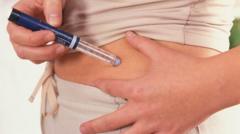
A new weekly insulin injection for type 2 diabetes could soon replace the daily injections currently required, potentially benefiting hundreds of thousands of patients across the UK. This development, endorsed by the charity Diabetes UK and the National Institute for Health and Care Excellence (Nice), could reduce the number of injections needed each year by 86%.
While patients must wait for approval from the medicines regulator, the Medicines and Healthcare products Regulatory Agency (MHRA), the treatment is expected to work as effectively as daily injections but require only a weekly administration.
Diabetes UK highlights that the weekly jab could greatly aid those who face difficulties with daily injections, including frailer individuals, those with sight loss, limited hand movement, and learning disabilities. Additionally, patients who struggle to adhere to their daily injection routine may also benefit significantly from this treatment.
Douglas Twenefour, head of clinical at Diabetes UK, emphasizes that this new option could enhance the quality of life for those with additional care needs, ultimately improving their diabetes management.
Helen Knight, director of medicines evaluation at Nice, notes that the new treatment could make a real difference to the day-to-day lives of people with type 2 diabetes, especially those relying on carers, family members, or healthcare professionals for assistance. The decision to recommend this treatment was made through an evidence-based process, aiming to balance patient benefits with the efficient use of NHS resources.
However, before patients can benefit from this new weekly insulin injection on the NHS, the Medicines and Healthcare products Regulatory Agency (MHRA) must license it. Health officials are currently awaiting the MHRA's decision to determine whether this treatment will be made available through the NHS.
Written by urgent.news from BBC Health's reporting — not their text. Machine-written — may contain errors; check the original before relying on it.
This story
This is one outlet's version. Read the fullest account.