Is lettuce safe? Probably. Will cyclospora spur change? Hopefully
For the last month, Americans have viewed their lunchtime salads or even a single, crisp leaf of iceberg on their burger as a possible threat. Could it harbor cyclospora, the explosive-diarrhea-causing parasite that by early August had sickened thousands, hospitalized hundreds, and led to two deaths? In Michigan, the epicenter of the cyclospora outbreak, cases are on the downturn, yet our…
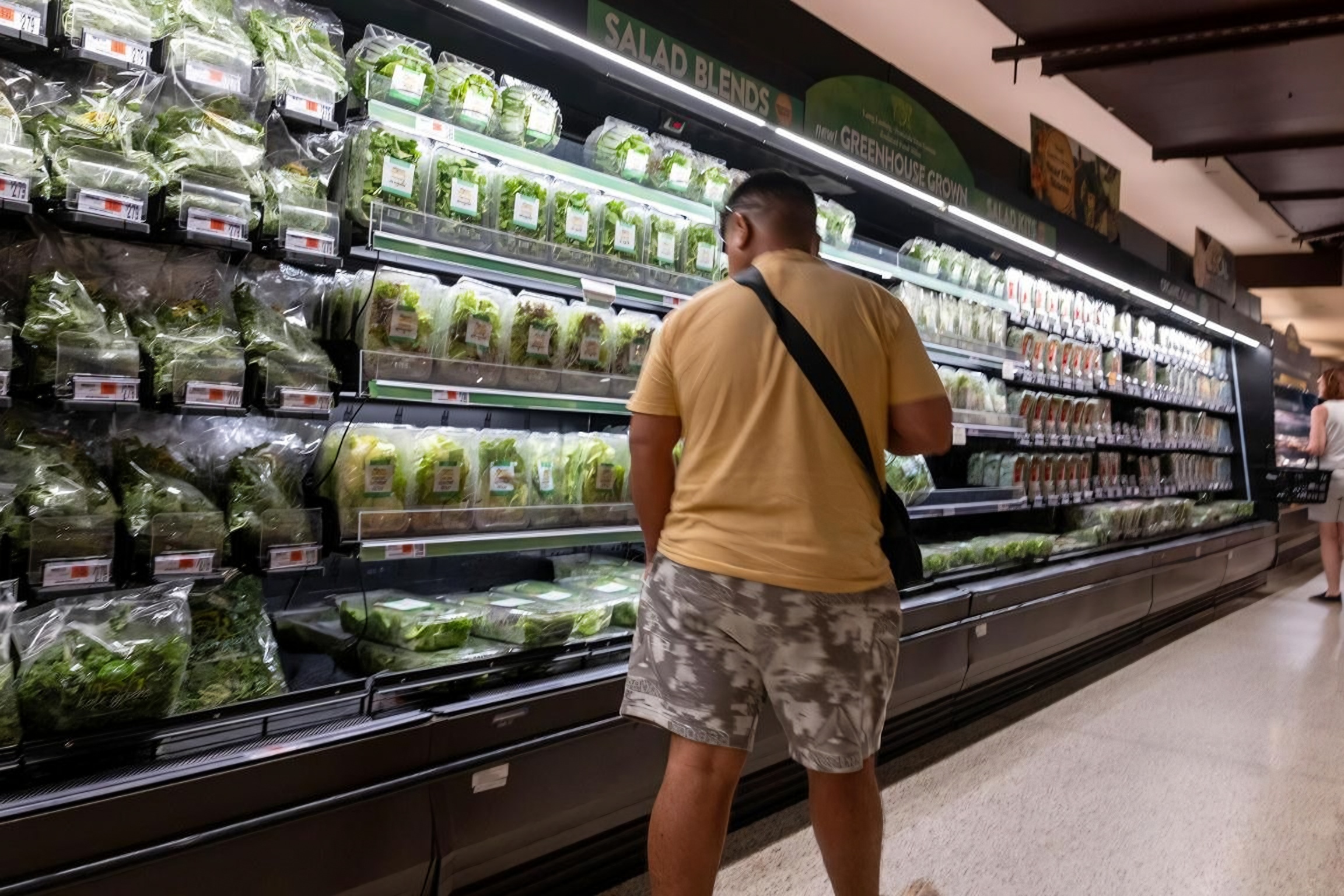
Concerns have been growing over the safety of lettuce in the wake of a cyclospora outbreak that has sickened thousands and caused hospitalizations in the United States. Michigan has been the hardest hit, but the fear of infection has spread across the country. The Centers for Disease Control and Prevention (CDC) recently expanded the geographic scope of the outbreak to 15 states, though this appears to be more about investigating past cases than indicating a sudden increase in new infections.
One of the most frustrating aspects of the situation is that the exact source of contamination remains unclear. The way in which the suspected tainted lettuce became contaminated with the cyclospora parasite is still unknown, leaving many people uncertain about when it will be safe to purchase and consume lettuce again.
Adding to the confusion is a separate recall of products containing potentially salmonella-tainted jalapeños. This recall is linked to the same company, Taylor Farms, that is also implicated in the cyclospora outbreak. This dual crisis has left Americans feeling overwhelmed and confused, wondering when they can once more feel secure in their food choices.
It is hoped that these events will spur necessary changes in food safety regulations and practices. The public understandably wants assurance that their lettuce and other perishables will be free from harmful parasites and bacteria before putting them on their plates.
Written by urgent.news from The Korea Times's reporting — not their text. Machine-written — may contain errors; check the original before relying on it.
Also reported by 1 other outlet
- Is lettuce safe? Probably. Will cyclospora spur change? Hopefully koreatimes.co.kr