Raumfahrt: Beispiellose Nasa-Satellitenrettungsmission gescheitert
Mit einer kurzfristig angesetzten Rettungsmission wollte die Nasa ein wichtiges Himmelsobservatorium retten. Doch aus dem spektakulären Vorhaben wird nichts.
An unprecedented mission by NASA to rescue a research satellite has failed. NASA revealed there was an issue with the control of the "Link" unmanned towboat. The rescue attempt was therefore abandoned, however, "Link" should still approach the astronomical observatory. NASA's CEO Jared Isaacman said, "This is not the result we worked towards, but it doesn't change why it was worth trying this mission."
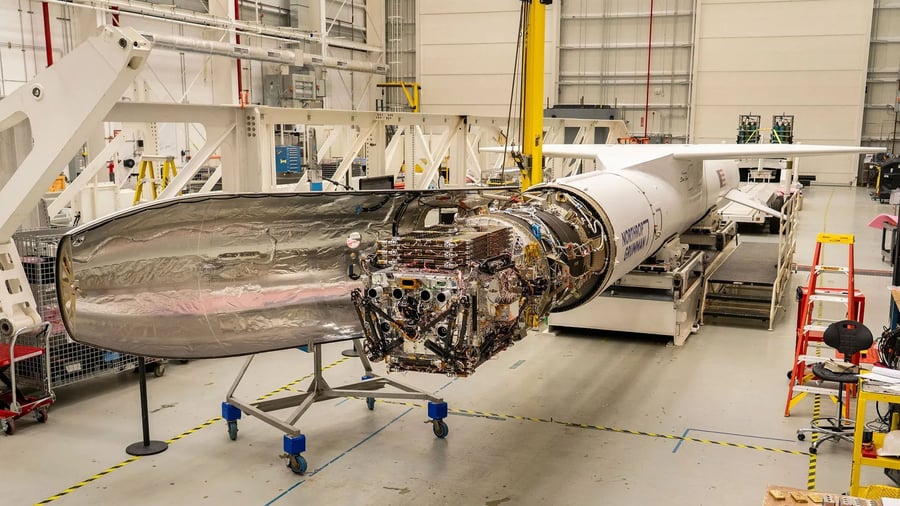
"Link" was launched in early July with the help of a "Stargazer" plane and a "Pegasus" rocket from a Marshall Islands atoll. The roughly 400-kilogram spacecraft, equipped with three robotic arms, three main engines, and numerous other instruments, was intended to approach and bring the research satellite back to its original orbit over several months.
"Link" was developed and built by the US aerospace company Catalyst Space on NASA's behalf, for a budget of about 30 million dollars (around 26 million euros). "Swift" has provided important research data for about 20 years. It was launched from the Cape Canaveral spaceport in 2004 and has mainly studied massive energy outbursts in the universe, known as gamma-ray bursts.
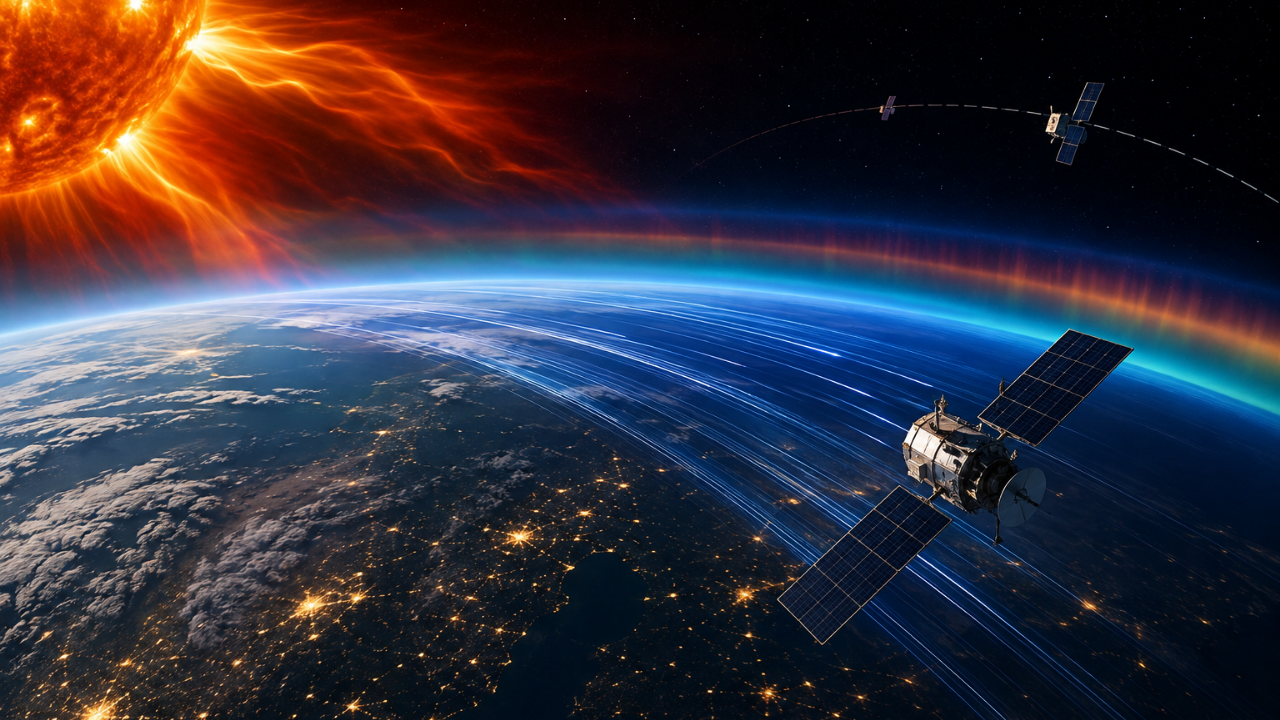
The satellite, although in good condition, is threatened to crash due to strong geomagnetic storms caused by solar eruptions. Because of the central importance of the research data provided by "Swift", NASA decided at short notice to attempt the unprecedented rescue mission. Had the mission succeeded, the currently energy-saving "Swift" satellite might have provided scientific data again from autumn, possibly for another five years or more according to scientists' expectations.
However, the rescue mission was already considered challenging and risky before its failure. After its failure, "Swift" is expected to re-enter the Earth's atmosphere this year and burn up, according to NASA.
Written by urgent.news from Handelsblatt's reporting — not their text. Machine-written — may contain errors; check the original before relying on it.