Paving the way for greener ammonia production
New MIT research could lead to better materials for a fossil-fuel-free process for making the chemical that's essential to fertilizer and other products.
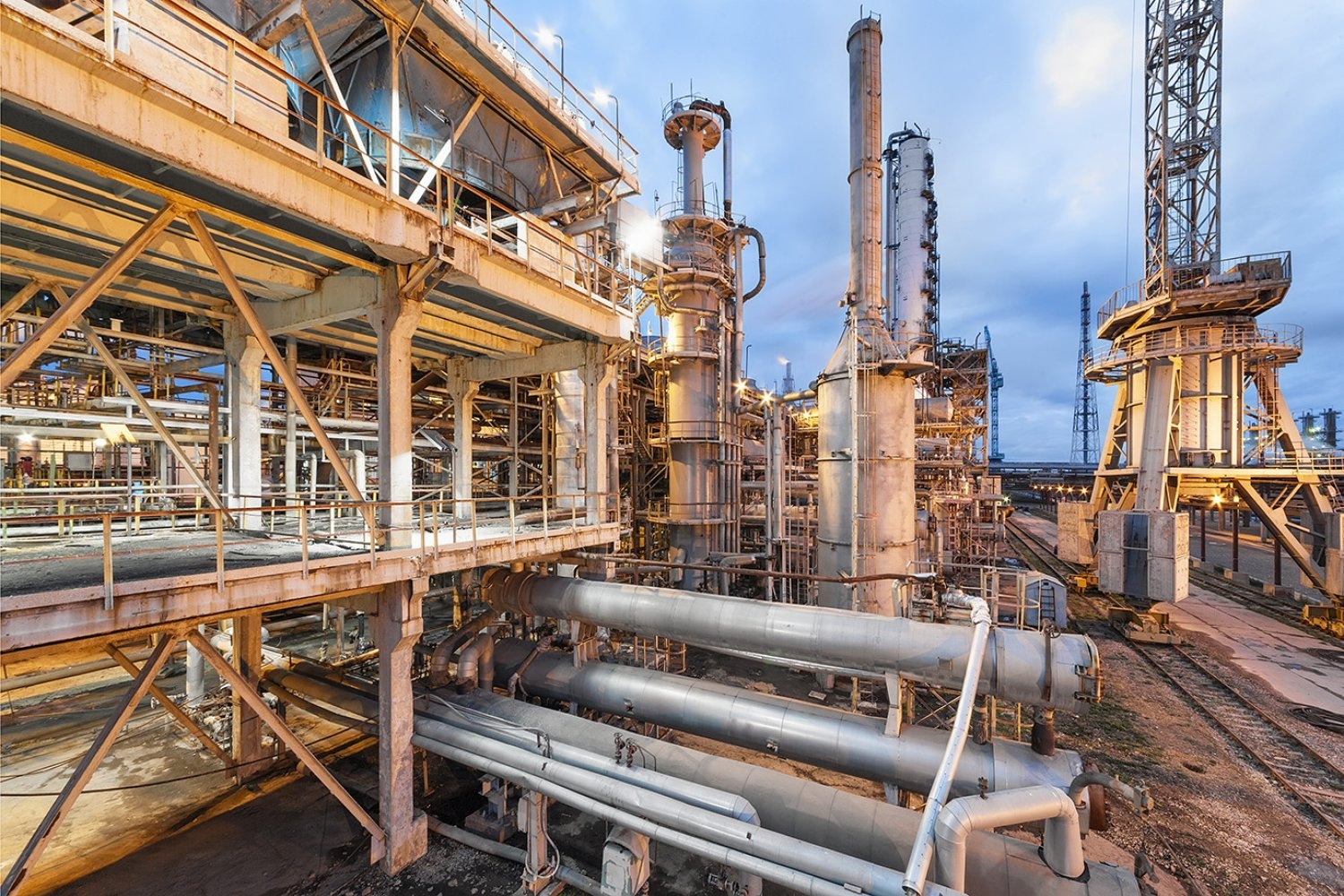
Ammonia is a crucial chemical with the second-highest global production volume after sulfuric acid. Primarily utilized in fertilizers, it plays a vital role in feeding the world's population. However, its production contributes significantly to energy consumption and greenhouse gas emissions. The traditional Haber-Bosch process, in use for over a century, relies on fossil fuels, accounting for a substantial portion of the process's energy demand and carbon footprint.
Researchers at MIT have developed a novel approach to predict promising materials as catalysts in electrochemical ammonia production. Catalysts accelerate chemical reactions, and their properties determine the efficiency of these reactions. By identifying key physical properties that drive catalytic activity in ammonia production, the researchers' method could expedite the search for materials that could make this low-emission process competitive with the Haber-Bosch method.
The global demand for ammonia is expected to rise with the world's growing population, necessitating more sustainable production methods. While the concept of producing ammonia through electricity is not new, current electrochemical reactions are not efficient enough for industrial-scale production. The catalyst's properties determine the efficiency of the reaction on its surface.
Finding a catalyst that reduces energy consumption and increases ammonia production selectivity is crucial to making the electrochemical process more competitive. Transition metal nitride compounds are ideal for this reaction, with transition metals forming promising alloys. Researchers have been using computational tools like density functional theory to model physical interactions and predict outcomes, moving away from trial and error methods.
Ammonia production can benefit from the inherent nitrogen in catalysts, reducing the energy required to break nitrogen bonds. While the process is not perfect, this approach offers a promising path towards greener ammonia production.
Written by urgent.news from MIT News Research's reporting — not their text. Machine-written — may contain errors; check the original before relying on it.
This story
This is one outlet's version. Read the fullest account.
- Paving the way for greener ammonia production news.mit.edu