Paving the way for greener ammonia production
New MIT research could lead to better materials for a fossil-fuel-free process for making the chemical that's essential to fertilizer and other products.
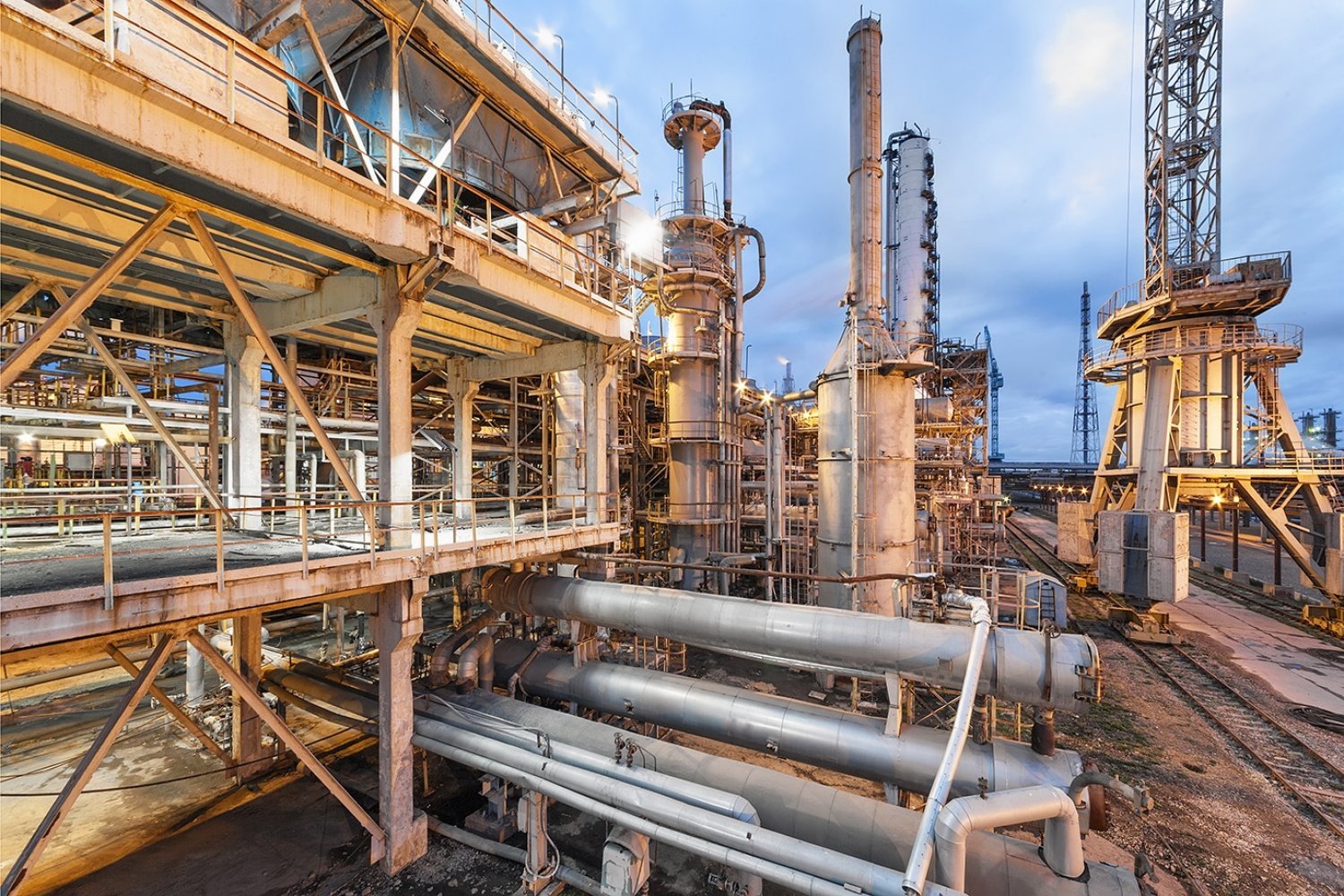
Ammonia, one of the world's most crucial chemicals produced each year, ranks second to sulfuric acid in volume. It serves primarily as a fertilizer, essential to feeding humanity. However, its production generates up to 2% of global energy consumption and about 1.5% of greenhouse gas emissions. Thus, a push has been made to produce ammonia more sustainably. The traditional method, the Haber-Bosch process, which has been in use for over a century, relies on fossil fuels for heat and hydrogen derived from fossil fuels.
Researchers at MIT have developed a method to predict which materials could be most promising as catalysts in electrochemical ammonia production. Catalysts play a vital role in driving chemical reactions, and their properties determine the efficiency of these reactions. By avoiding trial and error testing of millions of possible alloys, the new method could accelerate the search for materials that could make low-emissions ammonia production competitive with the Haber-Bosch process. The findings were published in the Royal Society of Chemistry journal EES Catalysis.
With the global population expanding, more food is required, and the only reason for sustaining such a large population is due to fertilizer. However, more than 90% of the ammonia required for fertilizer is still produced via the energy-intensive Haber-Bosch process. This process has been optimized over a century, but if society aims to align with sustainability and climate change targets, a new alternative is needed.
The world currently uses about 200 million metric tons of ammonia annually, and the goal is to produce the same amount or even more using a more energy-efficient method with lower CO2 emissions.
Electrochemical production of ammonia, using electricity to drive chemical reactions, is not a new concept. It involves the same basic principles as electrolyzers, which use electricity to drive chemical reactions in devices. However, the process is not efficient enough for industrial-scale production. The key ingredient in this process is a metallic catalyst, whose properties govern the reaction on its surface.
Identifying a catalyst that reduces the energy required and increases selectivity for ammonia production could be the game-changer.
Metal nitride compounds present an ideal material system for this reaction and for determining the electronic, chemical, and structural properties that determine reactivity in nitrogen reduction and ammonia electrosynthesis. Transition metals could form promising nitride alloys for this purpose. Historically, material research has relied on trial and error, with researchers tweaking existing materials to improve their performance.
However, computational tools like density functional theory, which uses quantum mechanics to simulate properties and behavior of materials, are increasingly being used to predict outcomes. By focusing on transition metal nitrides, which have proven effective in electrochemical nitrogen reactions, the researchers can avoid random searching for the ideal catalyst and streamline the process.
Written by urgent.news from MIT News AI's reporting — not their text. Machine-written — may contain errors; check the original before relying on it.
Also reported by 1 other outlet
- Paving the way for greener ammonia production news.mit.edu