NT victims of crime left in 'limbo’ as court wait times at record highs
Delays at the pointy end of the Northern Territory’s justice system have hit record highs, with the average time for criminal cases to progress to trial now at 476 days.
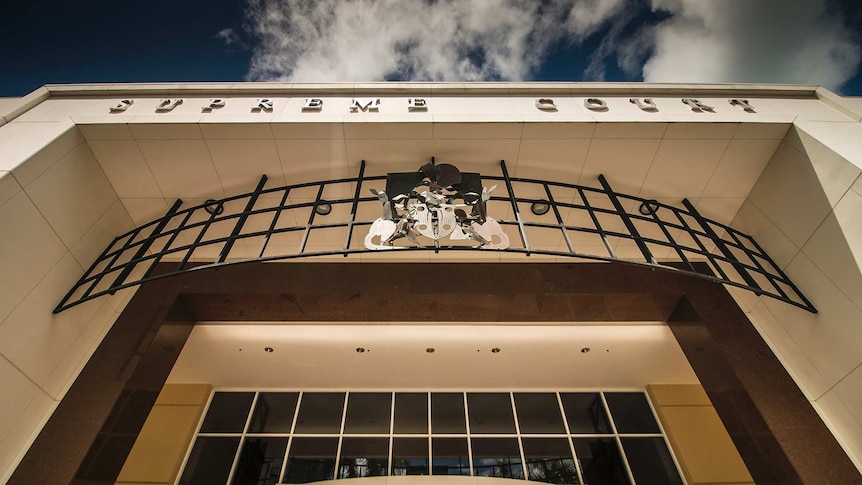
In the Northern Territory, defendants facing serious crimes are experiencing unprecedented delays as court wait times reach record highs, according to recent government data. The average time for a case to finalise by trial has surged to 476 days, with individuals denied bail spending well over a year behind bars before their fate is determined. Legal advocates and crime victims argue that increased investment in the justice system is necessary to prevent these lengthy delays.
Courts handling serious crimes in the NT are currently the busiest they have ever been, with cases awaiting court hearings taking an average of 16 months. The number of prosecutions being sent to the territory's Supreme Court has hit record highs, and the average time between a case being initiated in the Local Court and finalised by trial has also reached an all-time high of 476 days. Defendants refused bail are spending an average of 14 months in detention before their day in court.
Ben Grimes, CEO of the North Australian Aboriginal Justice Agency, noted that many defendants waiting in these situations are acquitted individuals who have lost seven or eight months of their lives. In the Local Court, which handles the majority of criminal prosecutions in the NT, the caseload has reached its highest point in a decade, while the backlog of cases awaiting committal to the Supreme Court has doubled in the past year.
Grimes explained that the increase in serious offences is indicative of shifting offending patterns in the Northern Territory. Although some categories of offending have decreased, the most serious types of crimes are on the rise. The NT government has appointed additional Local Court judges, but the number of permanent Supreme Court judges has remained stagnant since 1997, despite the workload increasing more than threefold during that time.
Grimes emphasized that the government's spending on corrections, crime, and justice services is disproportionately allocated, with insufficient investment in crucial infrastructure and legal aid lawyers. The delays can have severe consequences for defendants, victims, and their families, leaving victims in a state of limbo and making it difficult to move on with their lives.
Leanne Thompson, a Darwin woman charged with domestic violence, spent three and a half years waiting for her case to be finalized after her ex-partner was arrested. She expressed frustration with the court system's capacity and the need for improvements to better support victims.
David Hobden, whose brother died in a tragic road crash, felt frustrated with the sluggish court process. His family was given just 24 hours' notice for the sentencing hearing of the woman charged in the crash, causing significant inconvenience. While Hobden acknowledged legitimate reasons for the delays, he felt the process had been draining for him and his loved ones.
Attorney-General Marie-Clare Boothby attributed the significant increase in Supreme Court lodgements to a similar rise in cases being finalized in the Local Court. She assured that the government is committed to addressing the growing demand pressure, with a focus on improving the justice system and investing $1.73 billion in law and order initiatives.
Written by urgent.news from ABC News AU's reporting — not their text. Machine-written — may contain errors; check the original before relying on it.