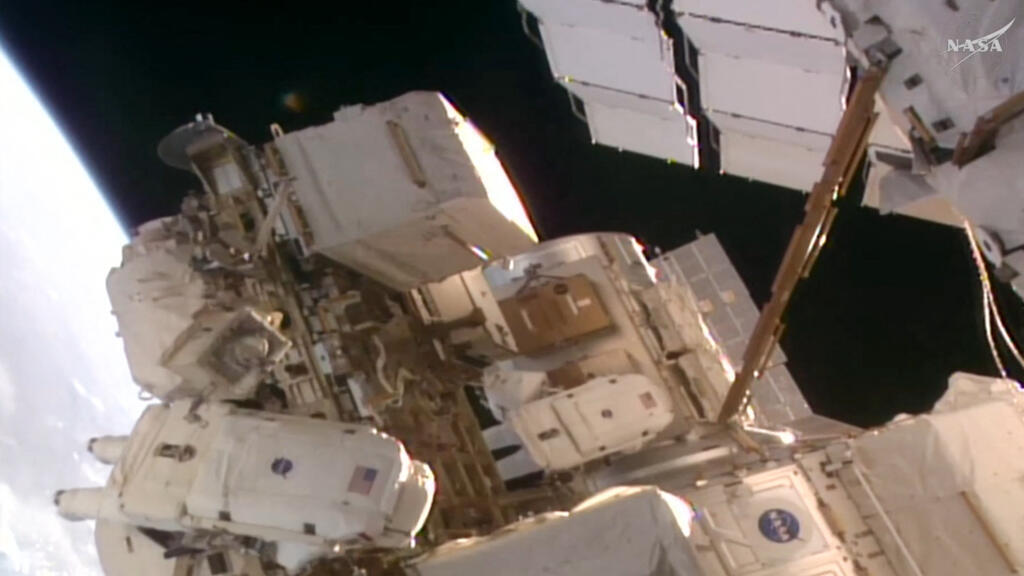
NASA satellite rescue mission fails
WASHINGTON: A complicated mission to save a NASA satellite from burning up in the atmosphere has failed, the US space agency said Wednesday, as the rescue spacecraft could not be controlled.
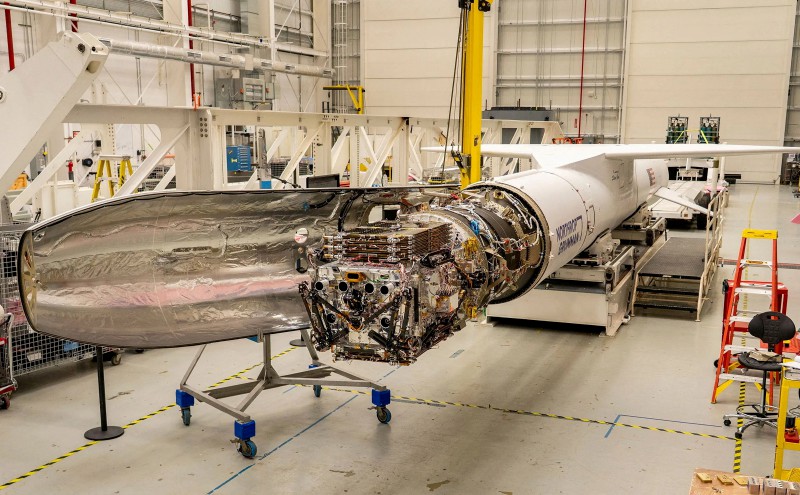
The United States space agency, NASA, announced on Wednesday that an ambitious mission to rescue a NASA satellite from burning up in Earth's atmosphere had failed. The Swift space telescope, a crucial tool for studying the most powerful explosions in the universe, was set to be saved by a $30 million rescue spacecraft. However, the rescue mission, which aimed to capture the telescope and relocate it to a different orbit, was not successful as the spacecraft could not be controlled.
NASA Administrator Jared Isaacman expressed disappointment, stating that while it was not the outcome they were seeking, the mission was still valuable for advancing space capabilities. The team had moved quickly to give Swift a chance to continue its scientific work and to demonstrate future satellite servicing capabilities. The rescue spacecraft, developed by American startup Katalyst, was launched on July 3 using a Pegasus rocket from an airplane.
However, the situation took a turn for the worse on July 28 when Katalyst reported that the spacecraft was spinning out of control for 72 hours, experiencing multiple issues including a loss of communications. This led to the mission being called off by Katalyst and NASA. Despite the failure, NASA still intends to attempt reaching the Swift telescope, hoping to gather valuable lessons for future missions. The Swift telescope was launched in 2004 to observe gamma-ray bursts.
Written by urgent.news from New Straits Times's reporting — not their text. Machine-written — may contain errors; check the original before relying on it.