Whales Once Rare Along East Greenland Now Gather by the Thousands in Feeding Frenzies
Learn how retreating sea ice and shifting prey are turning East Greenland into a summer feeding ground for thousands of whales.
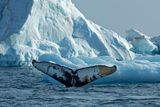
East Greenland's waters have transformed into a summer feeding ground for thousands of whales after decades of study by biologist Mads Peter Heide-Jørgensen. Fin whales, humpbacks, and common minke whales, species seldom seen in the area before, have now gathered in their thousands. A new study in Frontiers in Marine Science attributes this change to warming waters, retreating summer ice, and the migration of capelin, their primary food source, to the Greenland Sea.
The researchers surveyed whale sightings from 1987 to 2025, comparing data with temperature, salinity, and sea-ice changes. Ship surveys did not record a humpback whale in the region until 2006, but sightings increased dramatically from seven in 2007 to over 150 in 2024. Minke and fin whale encounters also rose over time. In August 2025, a ship reported observing up to 50 baleen whales near 69 degrees north, above the Arctic Circle.
The team estimates the presence of about 4,000 humpbacks, 6,000 fin whales, and 4,500 minke whales in the region during summer 2024. Sea-surface temperatures along East Greenland increased by approximately 1.8 degrees Fahrenheit (1 degree Celsius) since the late 1990s, and the summer sea-ice regime changed after 2000, reducing pack ice along the coast.
Because the whales avoid ice-covered waters, the retreat opened more feeding habitat. The small fish, capelin, shifted their summer feeding grounds from the waters north of Iceland toward East Greenland, providing food for fin whales and humpbacks. During their four-month stay, the whales may consume roughly 1.1 million tons of prey, potentially reshaping the region's food web.
This transformation, known as borealization, is accompanied by pressure on ice-dependent species like narwhals, which now encounter temperate whales across more of their coastal habitat.
Written by urgent.news from Discover Magazine's reporting — not their text. Machine-written — may contain errors; check the original before relying on it.