India’s unique genetic legacy: implications for health and ancestry
India is home to unparalleled human genetic diversity, comprising more than 5,000 distinct ethnic groups: this presents a transformative opportunity not only to deepen scientific understanding of human gene function and biology, but also to revolutionise the delivery of healthcare through precision and personalised medicine
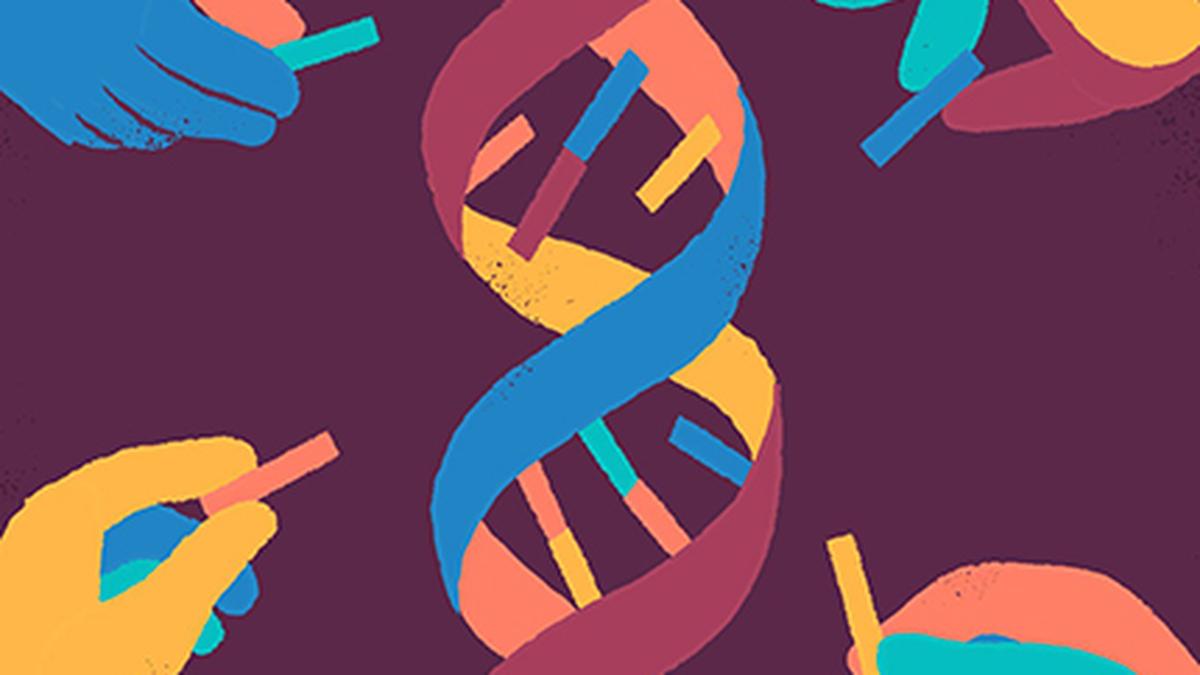
India, with a population exceeding 1.4 billion, is home to diverse communities, languages, and cultural identities. This vast country is not a homogenous genetic entity, but rather a mosaic of communities with unique genetic histories shaped by ancient migration, isolation, and endogamy. The genetic landscape of India is complex, with different communities carrying distinct ancestral lineages, some of which are deeply rooted in the subcontinent's historical context.
Communities such as Punjabi agrarians, Tamil castes, tribal populations in Central India, North-Eastern communities, and the indigenous Andaman and Nicobar Islanders exhibit distinct genetic profiles due to their unique historical trajectories and geographical isolation. While some remote island populations preserve distinctive ancestral lineages, it is crucial to remember that no community is an isolated fossil. Genetics can challenge community pride, as cultural identities persist alongside genetic diversity.
Historical endogamy and consanguinity have shaped many Indian communities, increasing the likelihood of inheriting rare recessive diseases. Recessive diseases occur when an individual inherits two copies of a mutated gene, one from each parent. Even if both parents appear healthy, they may carry the disease-causing variant, leading to a 25% risk of having an affected child.
This phenomenon, known as the founder effect, occurs when a small population remains genetically isolated for generations, leading to an increased prevalence of specific genetic disorders.
India faces unique public health challenges due to genetic diversity. Diseases such as sickle cell disease, thalassaemia, and various metabolic disorders show regional and community-specific patterns. To address these challenges, genetic counselling plays a critical role in guiding screening, diagnosis, and care. Proper counselling involves explaining risks without inducing panic, discussing reproductive choices, and protecting individual autonomy.
Voluntary and confidential carrier screening can empower couples to make informed decisions about family planning, while newborn screening can lead to early diagnosis and treatment of treatable disorders.
However, India currently lacks a comprehensive, health-linked biobank that captures the country's rich genetic diversity. Such a resource would be instrumental in identifying new disease mechanisms, molecular targets for drug development, and improving rare disease diagnosis. By embracing the genetic mosaic inherent in India's population, we can work towards a future where understanding our genes leads to improved health outcomes for all communities.
Written by urgent.news from The Hindu Health's reporting — not their text. Machine-written — may contain errors; check the original before relying on it.
This story
This is one outlet's version. Read the fullest account.