India’s unique genetic legacy: implications for health and ancestry
India is home to unparalleled human genetic diversity, comprising more than 5,000 distinct ethnic groups: this presents a transformative opportunity not only to deepen scientific understanding of human gene function and biology, but also to revolutionise the delivery of healthcare through precision and personalised medicine
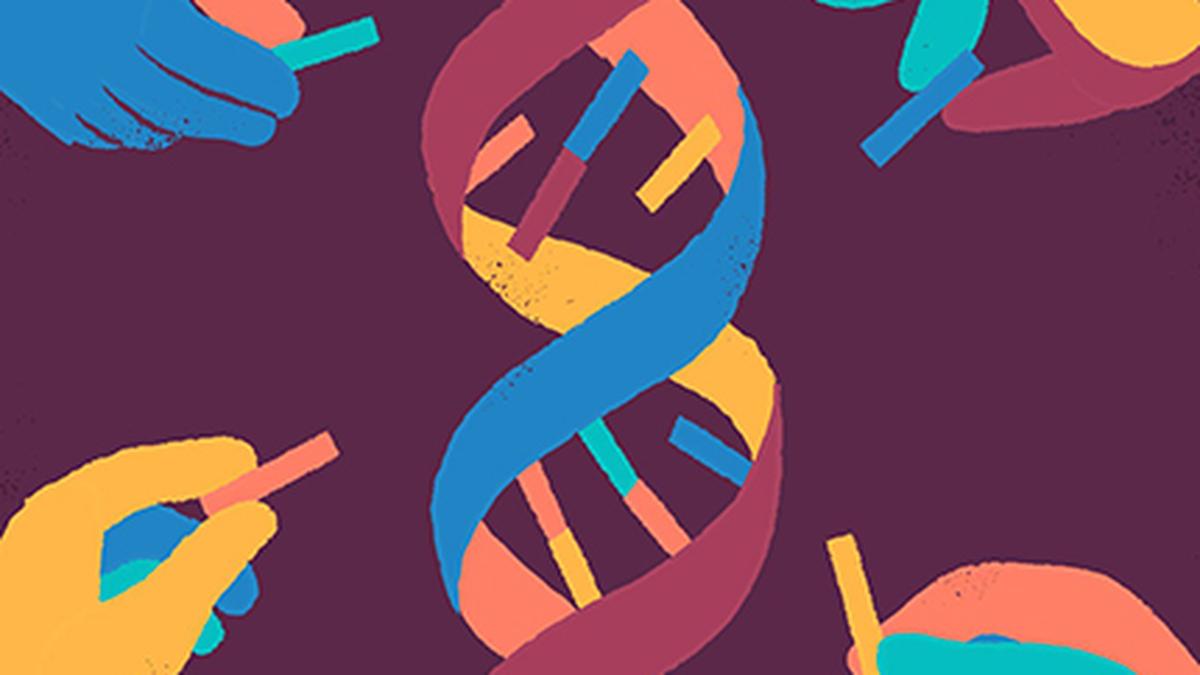
India's unique genetic legacy has significant implications for health and ancestry. Advances in analyzing ancient human DNA have transformed our understanding of human evolution and the interbreeding between early modern humans and archaic species like Neanderthals and Denisovans. Modern humans carry a small percentage of Neanderthal DNA (around 1-2%) in European and Asian populations, while Southeast Asian and Melanesian populations have higher proportions of Denisovan DNA.
This ancient genetic material continues to influence today's biology, including immune system function and disease susceptibility. India, with over 1.4 billion people and nearly 5,000 distinct communities, is one of the world's most genetically diverse regions, yet it is underrepresented in major genomic studies. A comprehensive genetic study of Indian populations revealed that most genetic variation comes from an early migration out of Africa 50,000 years ago.
This migration led to interbreeding with Neanderthals and Denisovans, shaping India's unique genetic landscape. The findings distinguished Indian populations as genetically distinct from other global groups, highlighting the country's rich genetic diversity. Understanding these genetic connections is crucial for developing personalized medicine and public health strategies tailored to India's diverse population.
Another study published in Cell in June 2025 further unveiled the ancestry of Indians, showing that most have ancestry from three ancient groups: Ancient South Asian hunter-gatherers, Early Iranian farmers, and Steppe pastoralists. Indians carry Neanderthal and Denisovan DNA, with the highest diversity in archaic DNA among modern populations.
Some of these ancient genetic variants affect immune function, such as Neanderthal genes linked to severe COVID-19 symptoms and Denisovan variants in immune-related genes. Genomic regions lacking Neanderthal or Denisovan DNA, known as "ancestry deserts," were also identified, including the FOXP2 gene related to language development.
These studies underscore India's complex genetic history shaped by ancient migrations, endogamy, and archaic gene flow, essential for developing accurate, inclusive, and effective healthcare approaches in India.
Written by urgent.news from The Hindu Health's reporting — not their text. Machine-written — may contain errors; check the original before relying on it.