India’s genetic mosaic: how understanding our genes can help improve our health
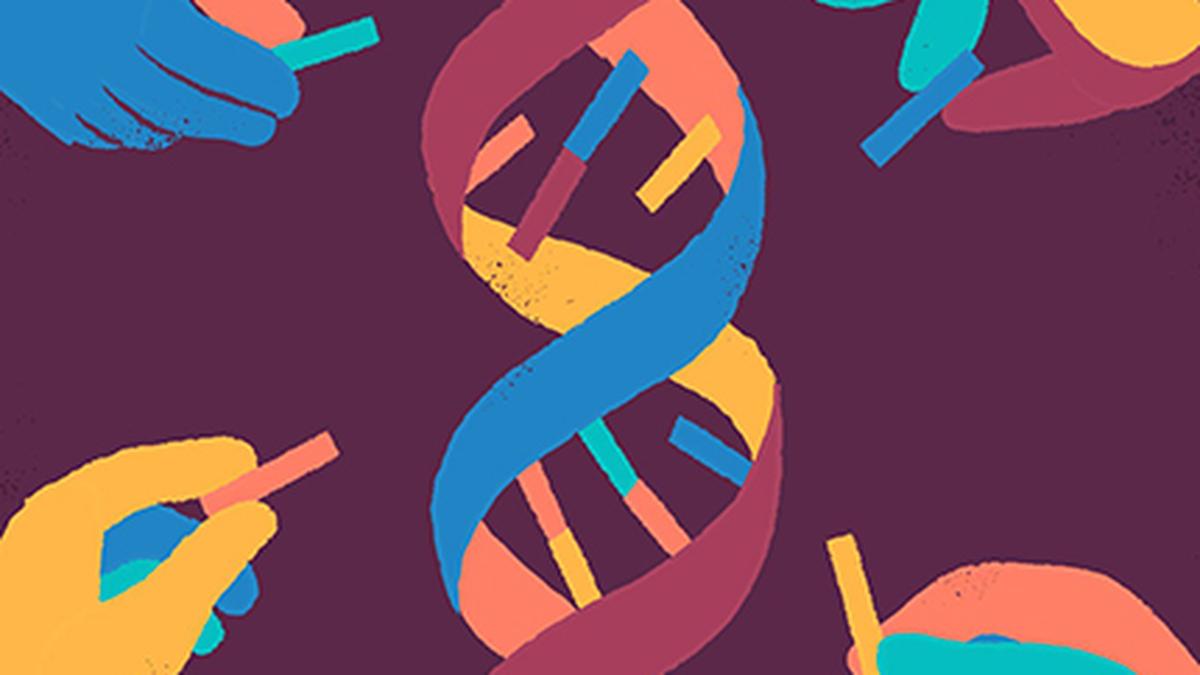
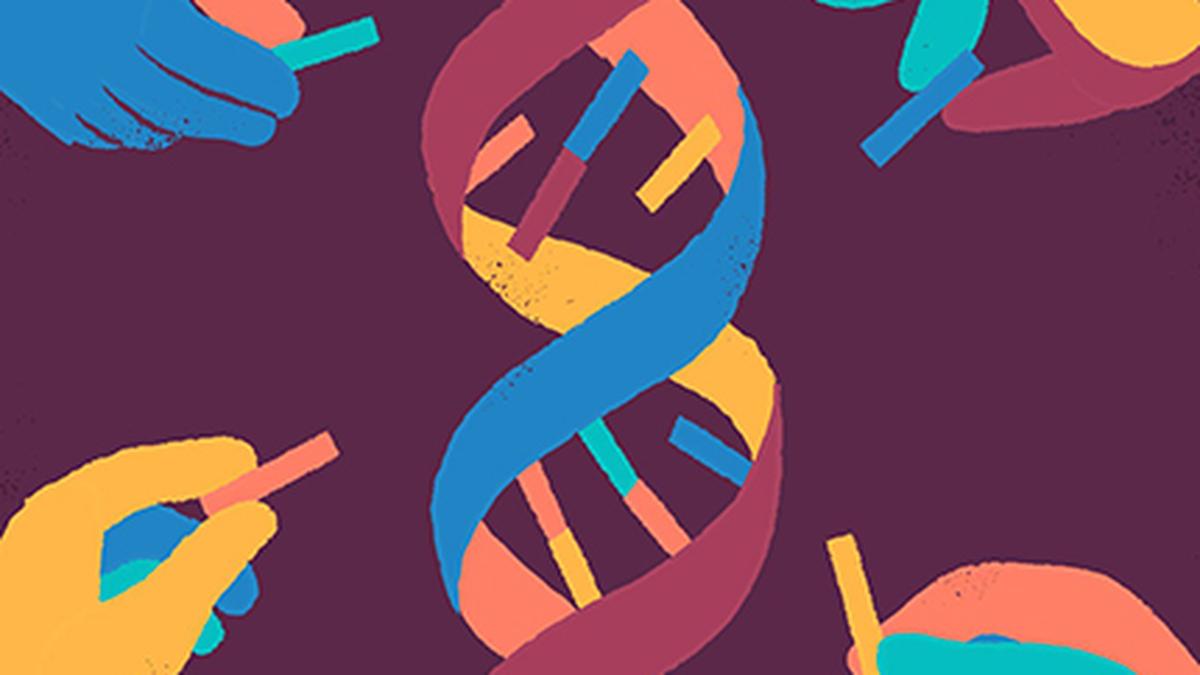
Our genetic tapestry is not merely an ancestry story, but a medical map. It can help prevent inherited diseases, improve newborn screening, guide safer prescribing, diagnose rare disorders earlier, and support drug discovery. But this map must be read with care

India, a country housing over 1.4 billion individuals, is home to a myriad of communities, languages, and cultures. Historically, many communities practiced endogamy, and in certain regions, consanguineous marriages were prevalent. This fact carries biological implications. India is not a monolithic genetic population; rather, its population is a complex blend of ancestries shaped by ancient migrations, mixing, isolation, ecological factors, language, culture, and marriage patterns.
Political boundaries do not mirror genetic divisions; maps of states and districts do not accurately represent genetic boundaries. Communities that shared proximity often did not intermarry, and those that spoke different languages could still share older ancestry. Cultural continuity does not necessitate genetic purity; it is a tale of movement, mixture, separation, adaptation, and memory.
The oldest layer of Indian ancestry traces back to early modern humans who arrived in South Asia tens of thousands of years ago. Following this, additional ancestry layers were introduced by populations linked to the Iranian plateau, the Indus Valley civilization, Steppe pastoralists, and Tibeto-Burman-speaking groups. These migrations occurred in different waves and settled into distinct social contexts.
Consequently, groups from diverse backgrounds cannot be considered genetically identical. For instance, Punjabi agrarian communities, Tamil caste groups, tribal populations in Central India, Northeastern communities, and indigenous island communities from the Andaman and Nicobar Islands possess unique ancestral lineages, despite some of them being geographically isolated.
However, it is important to note that no living community represents a genetic fossil. Genetic testing holds potential for improving community health, but it must be accompanied by genetic counselling to avoid potential harm, such as misinterpretation of results leading to stigma or misinformed decisions. Genetic testing can aid in identifying specific population risks, enabling preventive measures.
While a genetic risk score developed for a particular ancestry group may not be applicable to all Indian populations, it could pave the way for new discoveries regarding disease mechanisms and drug response. Establishing a comprehensive, health-linked biobank with diverse Indian samples is crucial for advancing genetic research and improving public health outcomes in the country.
Written by urgent.news from The Hindu - Sci-Tech's reporting — not their text. Machine-written — may contain errors; check the original before relying on it.
This story
This is one outlet's version. Read the fullest account.