From Hormuz to Malaysia: Asean needs a workable oil reserve
Energy security does not require governments to own every barrel. But it does require an enforceable, audited, and physically deliverable right to enough barrels when normal markets stop functioning.
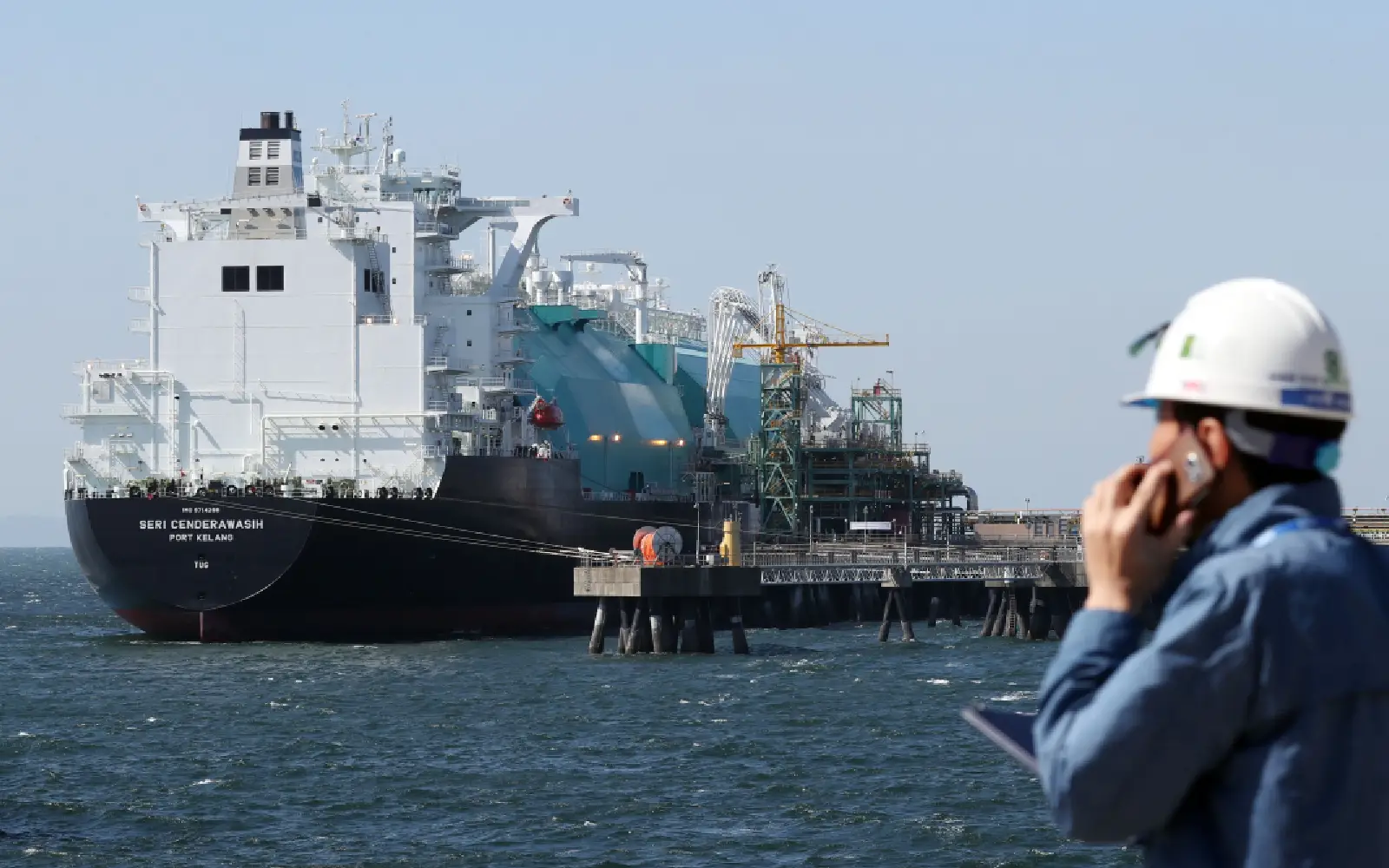
The 2026 Middle East conflict highlighted a vulnerability in Southeast Asia's energy infrastructure. In 2025, approximately 20 million barrels of oil traversed the Strait of Hormuz daily, constituting roughly a quarter of global seaborne trade. Following the outbreak of hostilities on February 28, oil flows plummeted. By March 11, 32 International Energy Agency members initiated a record 400-million-barrel emergency release, yet shipping conditions remained less than ideal.
Notably, Asean lacks a comparable operational common petroleum stockpile. Prior to the crisis, about 60% of Southeast Asia's crude imports and 45% of its oil-product supply were contingent upon Middle Eastern crude. Commercial supply agreements alone cannot satisfactorily address this exposure. Though Asean has had petroleum-security agreements since 1986 and 2009 and signed a new Framework Agreement on Petroleum Security in 2025, it remains unfettered.
In May, Asean leaders deliberated on a regional fuel reserve, with Minister Johari Ghani positing private-sector involvement and suggesting a pilot involving three or four like-minded nations. Asean has previously established regional projects within member states, such as Malaysia's Bintulu fertilizer complex, designed to cater to regional needs.
Eria proposed ticketing and bilateral stockpiling among Asean, Japan, and South Korea in 2016, with progress being made through Japan-Philippines collaboration and Eria's regional roadmap development. Malaysia's economy ministry asserts that retail and petrol-station stocks cover roughly three days, while traders have crude-supply commitments for around two months.
The government is presently evaluating strategic stockpiling requirements. Malaysia's fuel reserves, future shipments, and pre-agreed release rights are distinct from one another. The Malaysian government is currently examining the feasibility of a national petroleum reserve. The finance ministry disclosed that RON95 and diesel subsidies peaked at RM7.5 billion in April, potentially rising to RM40 billion in 2026 if current conditions endure.
A supply shock engenders both physical and fiscal vulnerabilities. Malaysia's daily oil consumption is approximately 700,000 barrels, with production standing at about 350,000 barrels. Domestic production accounts for 48% of crude supply, while 38% is sourced through Hormuz. Malaysia also imports petrol, diesel, LPG, and jet fuel.
A pilot project could bolster national supply resilience by leveraging Malaysia's existing storage and logistics infrastructure, providing Putrajaya with experience in devising a broader Asean mechanism. The solution should not entail an enormous state-owned stockpile. The Netherlands provides a flexible model, boasting a Petroleum Stockpiling Agency (COVA) obligated to maintain a minimum of 4,100 kilotonnes of crude-oil-equivalent strategic stocks, complemented by another 653 kilotonnes COE held by industry.
Cova utilizes commercial storage and Compulsory Storage Obligation tickets, granting the right to specified physical stocks during a crisis. New Zealand has also employed oil tickets since 2007, integrating mandatory importer stocks alongside a government-controlled strategic diesel reserve. Malaysia could experiment with a hybrid model leveraging existing infrastructure before committing to extensive new construction.
For instance, Johor already possesses considerable liquid-storage infrastructure, deepwater access, and well-established petroleum logistics, with proximity to Singapore's oil trading and maritime market presenting additional benefits. This would facilitate swift action, enabling Malaysia to deliver reserved barrels and establish credibility prior to committing significant funds to purpose-built storage.
A pilot could explore auditing, stock rotation, release procedures, and cross-border delivery before committing substantial resources to purpose-built storage. Malaysia could propose a three-tiered pilot system: government-controlled strategic stocks, mandatory or contracted industry inventories, and ticketed commercial stocks, ensuring enforceable rights over specified petroleum.
The objective should be measured in days of emergency coverage, not a mere percentage of tank capacity. A regional system necessitates sovereign protection; a ticket held by another Asean country over fuel stored in Malaysia holds limited value if the fuel cannot be removed during a crisis. Cross-border arrangements necessitate government-to-government assurances.
While the Singapore-New Zealand Agreement on Trade in Essential Supplies (AOTES) is not an oil-ticket agreement, it exemplifies binding commitments on essential supplies, including fuel. Asean does not need consensus from all 11 members; Malaysia and a few willing states could pilot the system first, employing an independent operator for commercial neutrality.
Every ticket must correspond to verifiable petroleum, with double-counting prohibited and release rights agreed upon beforehand.
Written by urgent.news from Free Malaysia Today's reporting — not their text. Machine-written — may contain errors; check the original before relying on it.
Also reported by 1 other outlet
- From Hormuz to Malaysia: Asean needs a workable oil reserve freemalaysiatoday.com