From Hormuz to Malaysia: Asean needs a workable oil reserve
Energy security does not require governments to own every barrel. But it does require an enforceable, audited, and physically deliverable right to enough barrels when normal markets stop functioning.
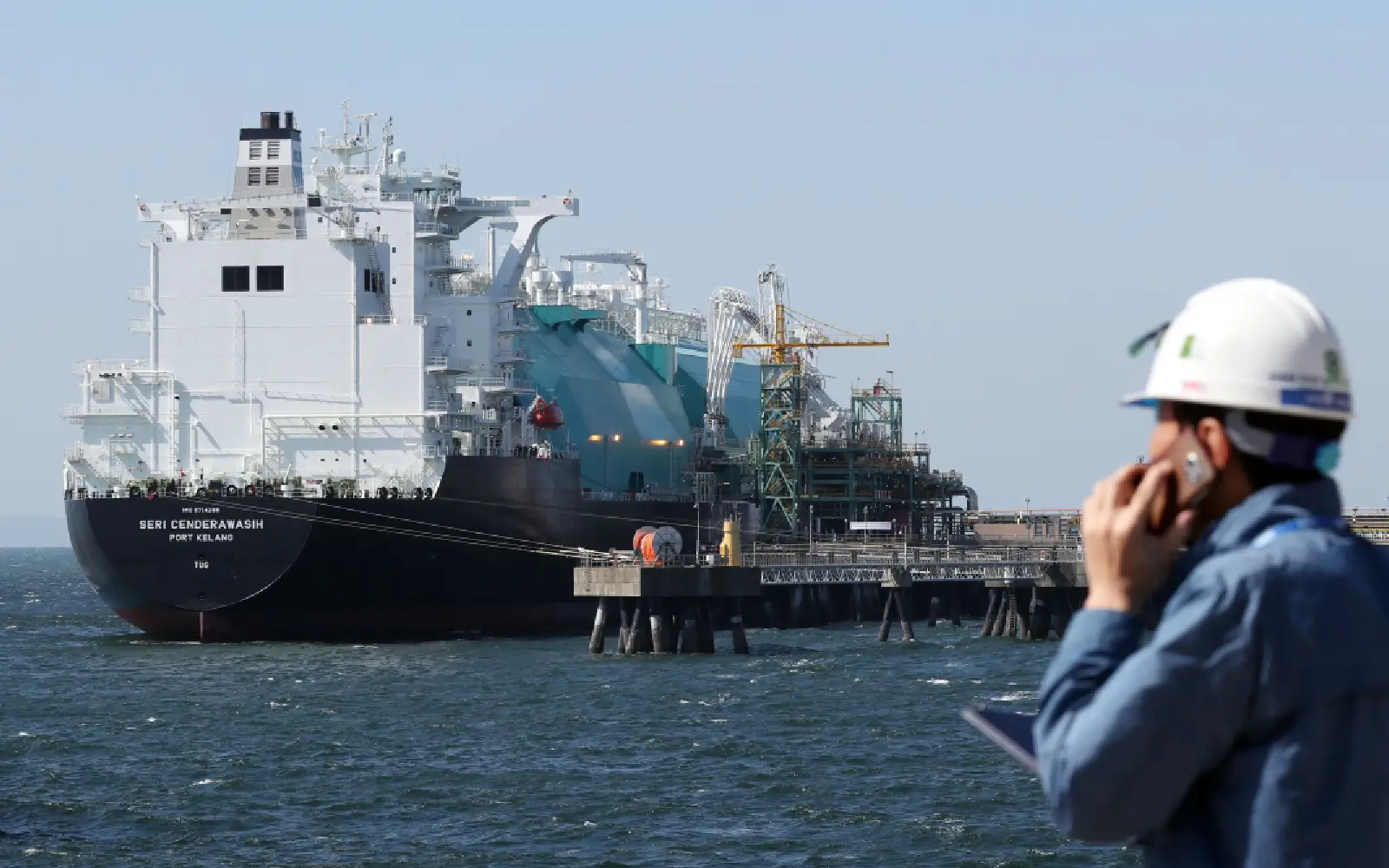
The 2026 Middle East conflict highlighted a vulnerability in Southeast Asia's energy infrastructure. In 2025, approximately 20 million barrels of oil traversed the Strait of Hormuz daily, constituting roughly a quarter of global seaborne trade. Following the outbreak of hostilities on February 28, this flow plummeted. Despite a record 400-million-barrel emergency release by 32 International Energy Agency members on March 11, shipping conditions remain strained. ASEAN currently lacks a comparable operational common petroleum stockpile.
Previously, about 60% of Southeast Asia's crude imports and 45% of its oil-product supply were derived from Middle Eastern crude. While commercial supply arrangements alone may not fully mitigate this exposure, ASEAN is not starting from scratch. Petroleum-security agreements have existed since 1986 and 2009. A new Asean Framework Agreement on Petroleum Security was inked in 2025 but has yet to be ratified.
In May, ASEAN leaders deliberated on a regional fuel reserve, and Minister of Investment, Trade and Industry Johari Ghani indicated that private-sector involvement would be essential, potentially beginning with three or four like-minded countries.
ASEAN has a track record of establishing regional projects within member states, including Malaysia's Bintulu fertilizer complex addressing regional needs. In 2016, the Economic Research Institute for ASEAN and East Asia (ERIA) suggested ticketing and bilateral stockpiling among ASEAN, Japan, and South Korea. Subsequently, Japan and the Philippines have been cooperating on national and ASEAN-wide stockpiling, with ERIA working on a regional roadmap.
While Malaysia has managed the current disruption, adequate supply today does not equate to a strategic reserve.
The Malaysian Ministry of Economy asserts that retail and petrol-station stocks can cover about three days, and traders have crude-supply commitments of roughly two months. The government is currently evaluating strategic stockpiling requirements. The distinction between Malaysia's fuel, future cargoes, and a reserve with pre-agreed release rights is crucial.
Malaysia's Ministry of Finance revealed that RON95 and diesel subsidies peaked at RM7.5 billion in April, with projected petroleum-product subsidies nearing RM40 billion in 2026 if current conditions persist. A supply shock thus engenders both physical and fiscal vulnerabilities.
Written by urgent.news from Free Malaysia Today's reporting — not their text. Machine-written — may contain errors; check the original before relying on it.
This story
This is one outlet's version. Read the fullest account.
- From Hormuz to Malaysia: Asean needs a workable oil reserve freemalaysiatoday.com