FDA approves robot that can find your vein, insert a needle, and draw blood without human help
Called Aletta, the robot begins the process by instructing the adult patient on how to position their arm. Once in the correct place, the patient or a supervisor presses a button to begin. Read Entire Article
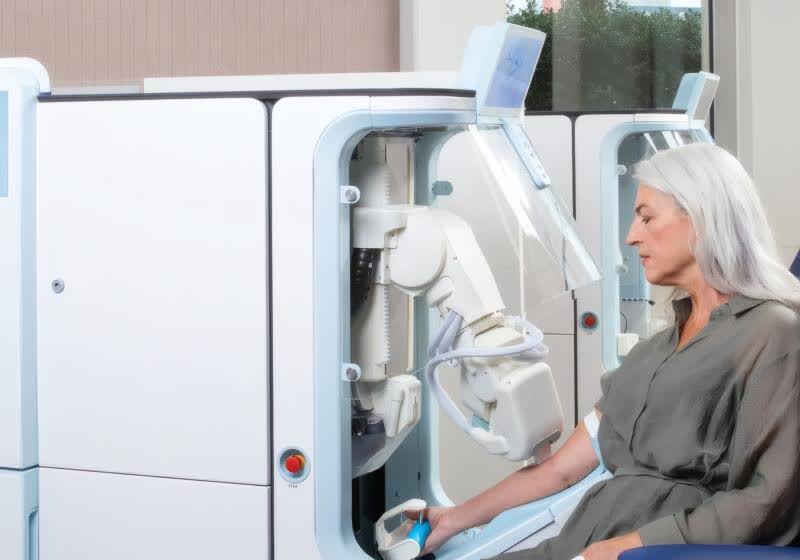
The FDA has recently greenlit a robotic device named Aletta, capable of autonomously locating veins, inserting needles, and drawing blood from patients without human intervention. This innovative technology, developed by Aletta Biomedical, could potentially alleviate the discomfort of blood draws for many, but not without sparking concerns.
The robotic system initiates the process by guiding the adult patient to position their arm correctly. Once in the right place, patients or supervisors press a button to commence the procedure. Aletta employs near-infrared light and Doppler ultrasound to identify a suitable vein within the patient's arm, differentiating it from an artery. If no vein can be detected, the system halts the operation.
Upon locating a suitable vein, Aletta deploys a tourniquet, prepares the skin, and then inserts the needle. Once the task is completed, it disposes of the needle and applies a bandage. Throughout this process, a phlebotomy-trained supervisor must be present to ensure the correct filling of collection tubes and verify their adequacy.
One of the significant advantages of Aletta is its ability to allow a single phlebotomist to oversee up to three devices simultaneously. This feature could potentially address the current shortage of phlebotomists in the United States. Michelle Tarver, M.D., Ph.D., Director of the FDA's Center for Devices and Radiological Health, stated that this approval reflects the FDA's commitment to advancing medical devices that meet critical public health needs while ensuring patient safety and effectiveness.
However, some patients may have reservations about the idea of a robot performing needle insertion. In response, Aletta incorporates multiple safeguards. Should the patient move excessively during the procedure, causing the needle to shift, the device automatically detaches the needle, and the procedure ceases. Additionally, onboard sensors can pause the process and alert the supervisor if any unsafe conditions arise.
Clinical data indicates that Aletta achieves blood draw success rates comparable to or even surpassing those of trained phlebotomists, making this robotic device a promising addition to healthcare facilities.
Written by urgent.news from TechSpot's reporting — not their text. Machine-written — may contain errors; check the original before relying on it.