Armed with funding boost, SpaceSail accelerates China’s push to rival Elon Musk’s Starlink
In a record funding round for China’s satellite internet sector, domestic start-up SpaceSail has raised around 7 billion yuan (US$1 billion) to accelerate the buildout of a low-Earth-orbit (LEO) network designed to compete with Elon Musk’s Starlink project. Known officially as Shanghai Spacecom Satellite Technology, the operator of China’s Qianfan constellation completed its Series B round on…
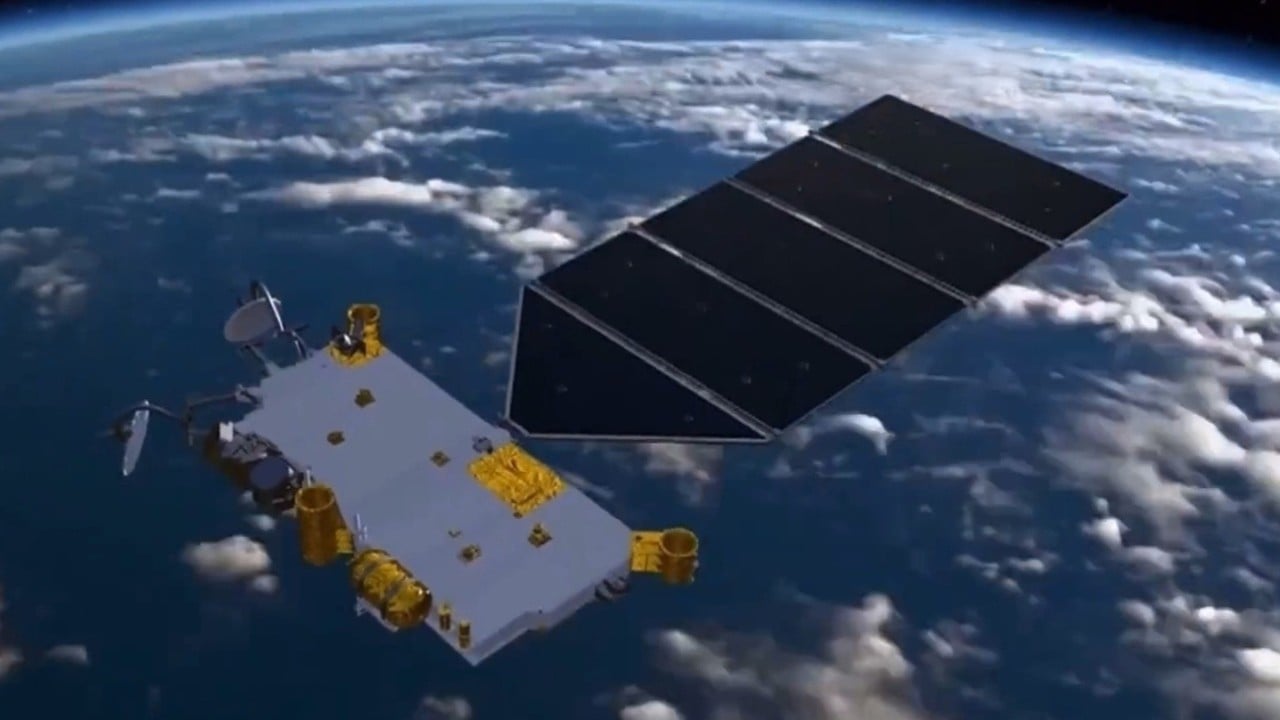
In a major funding breakthrough for China's satellite internet industry, start-up SpaceSail has secured around 7 billion yuan (US$1 billion) in its latest Series B round of investment. The financing aims to bolster the development of a low-Earth-orbit (LEO) network that will challenge Elon Musk's Starlink project. Shanghai Spacecom Satellite Technology, the parent company behind SpaceSail, completed the round with 18 investors, including state-backed Shanghai Alliance Investment and venture fund CAS Star.
This infusion of capital has propelled the company's valuation to approximately 50 billion yuan. The new funding aligns with China's growing ambition to establish extensive LEO satellite networks capable of delivering broadband internet and direct-to-device connectivity, ultimately seeking to rival Starlink's market dominance. Launched in 2018, SpaceSail has swiftly expanded its satellite fleet, launching 54 satellites in 2024 and 54 more in 2025, bringing the total to 238 Qianfan satellites following its latest deployment in early July.
While SpaceSail still lags behind SpaceX's Starlink in terms of the number of satellites deployed and subscribers served, the fresh capital will enable the company to accelerate its expansion plans. The funding round is seen as a significant milestone for China's commercial space sector and underscores the country's rapid advancements in the field.
SpaceSail's international ambitions are also gaining traction, with the company already obtaining approval from Brazilian regulatory authorities to provide satellite communications services. Similar partnerships are being explored in other countries, such as Malaysia, Thailand, and Kazakhstan. This surge in domestic investment and breakthroughs in launch technology, such as LandSpace's successful leg-assisted recovery of an orbital booster, further positions China as a formidable competitor in the global satellite internet landscape.
Written by urgent.news from SCMP Business's reporting — not their text. Machine-written — may contain errors; check the original before relying on it.