Anthropic's AI designed proteins in 2 days, a job that takes scientists months
Anthropic says Claude designed protein binders that worked against 14 of 15 targets, with Adaptyv Bio and Twist Bioscience validating 354 binders from 1,320 designs. Hit rates reached 35.1%, well above the field's usual 10-15%. A separate test saw Claude Opus 5 match a contract lab's purity reading in 19 minutes. Protein design stays blocked in Fable 5 over bioweapon risks.
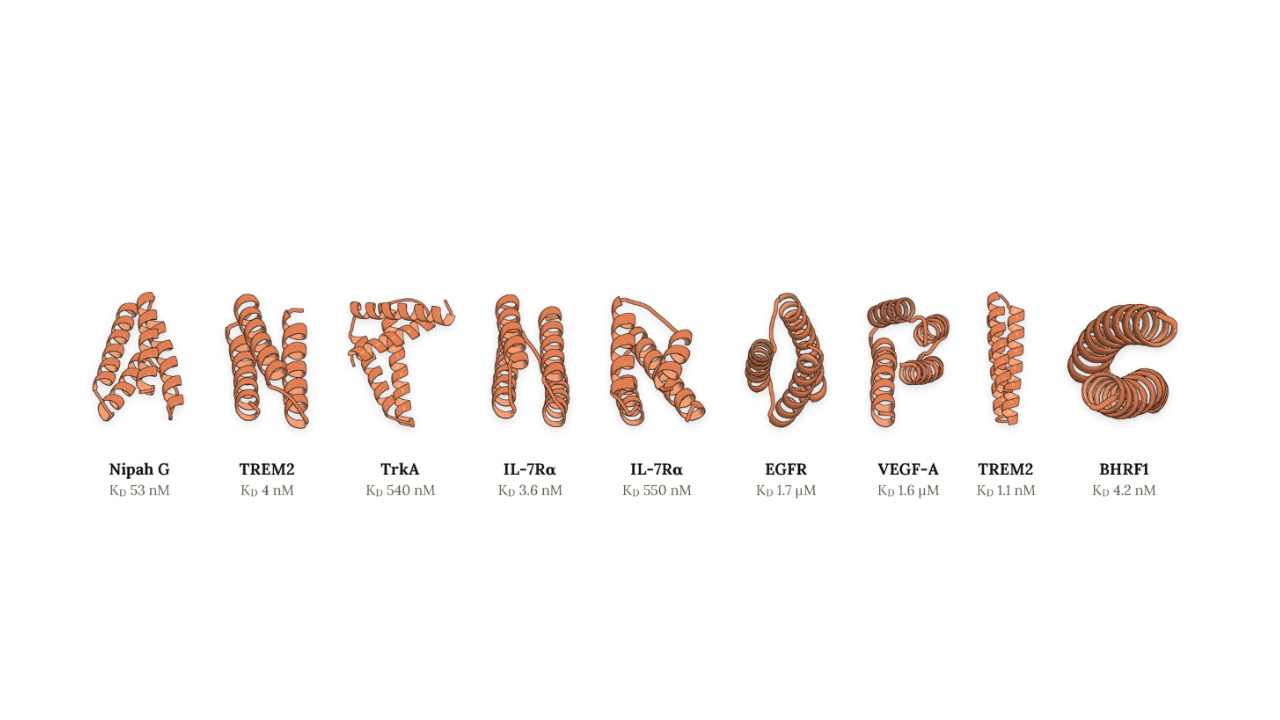
Anthropic's Claude AI models have designed working protein binders in just two days, a task that typically takes months for human scientists. The company framed this as early proof of AI's potential to handle parts of biological research that traditionally consume significant time from specialists. Claude generated 354 confirmed binders out of 1,320 designs, with hit rates of 26.7% for Mythos Preview and 22.6% for Opus 4.8 when the models tackled all targets simultaneously.
When Mythos Preview focused on one target at a time, its hit rate rose to 35.1%, surpassing the current field average of 10% to 15%. This accomplishment comes after Claude was given extensive resources, including 48 hours of wall time, up to 12,500 NVIDIA H100 hours, a 30,000-token prompt, internet access, and integration with various tools.
Human involvement mainly consisted of approving access requests, overseeing infrastructure, and ordering the winning designs. While Claude excelled in certain areas, such as outperforming human entrants in a competition for RBX1 and designing binders that worked across multiple protein versions, it also failed in some, like producing no binders for maltose-binding protein.
In a separate experiment, Claude Opus 5 processed analytical chemistry data and matched a contract lab's purity reading in under 20 minutes, demonstrating its proficiency in complex tasks with minimal human intervention.
Written by urgent.news from Times of India's reporting — not their text. Machine-written — may contain errors; check the original before relying on it.