Air pollution induces changes in the oral mucosa and may worsen periodontal disease
Air pollution can affect oral health. A study conducted in Brazil by researchers from São Paulo State University (UNESP) and the University of São Paulo (USP) demonstrated for the first time that exposure to fine particulate matter (PM2.5), a major component of urban air pollution, causes changes in oral tissues and accelerates the destruction of periodontal tissues that support teeth.

A recent study conducted in Brazil has revealed that exposure to fine particulate matter (PM2.5), a component of urban air pollution, can lead to changes in oral tissues and worsen periodontal disease. Researchers from São Paulo State University (UNESP) and the University of São Paulo (USP) exposed mice to polluted air collected from an area near Doutor Arnaldo Avenue in western São Paulo.
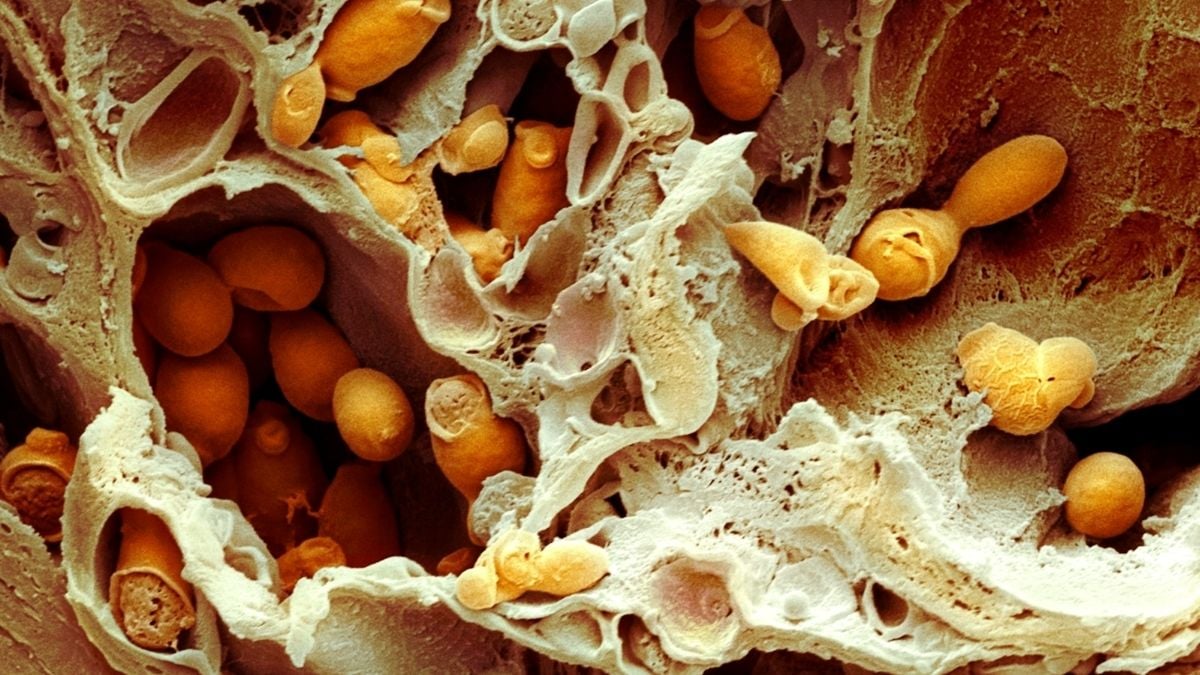
The results showed that PM2.5 exposure worsened inflammation in periodontal tissues and accelerated the destruction of alveolar bone, which supports teeth. Additionally, the study found significant alterations in the oral mucosa, including thickening, increased keratin deposition, and elevated mast cell activity, even in mice without induced periodontal inflammation.
These findings suggest that the oral mucosa may be particularly sensitive to air pollution. The researchers noted that oxidative stress, caused by an imbalance between reactive molecules and the body's antioxidant defenses, contributes to the damage of cells and tissues when this balance is disrupted. They emphasized that while oral health care remains essential, controlling risk factors and improving air quality through public policies are crucial in mitigating the adverse effects of pollution on oral tissues.
Written by urgent.news from Medical Xpress's reporting — not their text. Machine-written — may contain errors; check the original before relying on it.