Microbes from Earth may survive on the moon, scientists find
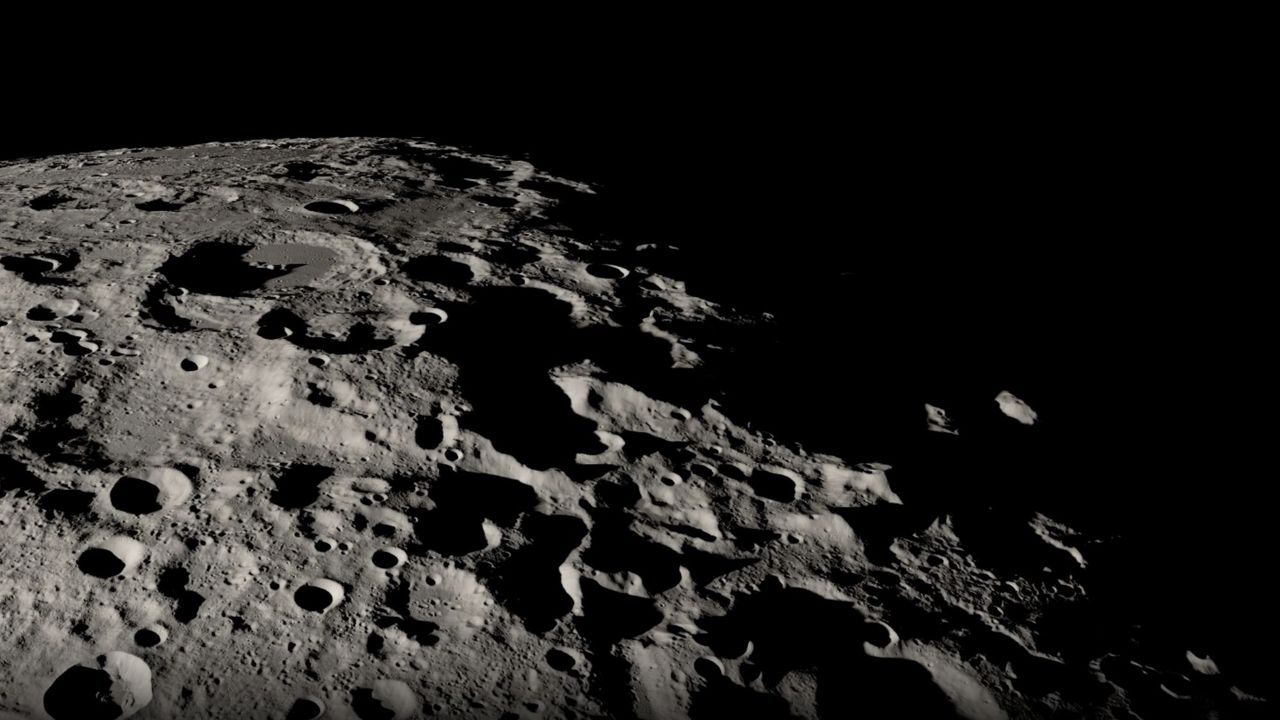
Scientists have discovered that Earth's microbes may be able to survive on the moon, albeit in a dormant state, according to a new study. Previous research had suggested the lunar surface was too harsh for microbial life due to ultraviolet rays and heat from the sun. However, this study found that lunar hills and valleys, especially at the poles, could provide shelter for microbes.
These poles are permanently shadowed regions that contain ice, potentially offering a more hospitable environment. The study analyzed three types of bacteria and two kinds of fungus, all of which are known for their resilience in space conditions. Researchers found that these microbes, which previously showed resistance to vacuum, cold, and high-energy particles, might survive on the moon in a state of suspended animation called cryptobiosis.
Even minor disruptions like a bootprint or rover's tread could create habitable areas. NASA's Artemis III mission, aimed at exploring the lunar south pole, may need to consider the potential impact of unintentionally introducing microorganisms. The study also suggests that ancient cosmic impacts could have transported microbes from Earth to the moon, preserving evidence of Earth's past.
Future experiments will test the survival capabilities of various microbes on the moon, emphasizing the lunar poles as unique regions for trapping volatiles like water and potentially life.
Written by urgent.news from Space.com's reporting — not their text. Machine-written — may contain errors; check the original before relying on it.
This story
This is one outlet's version. Read the fullest account.