You’re Not a Universal Mosquito Magnet
But you might be particularly enticing to different species The post You’re Not a Universal Mosquito Magnet appeared first on Nautilus .
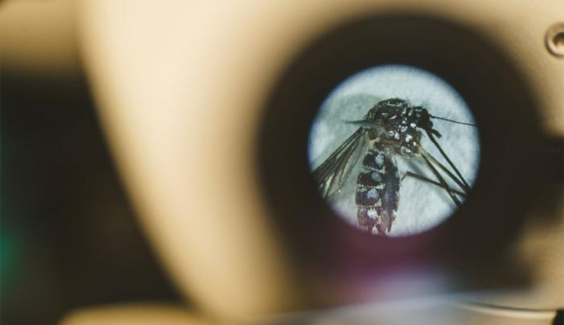
As I sit writing this, a mosquito is buzzing around my apartment, most likely one of the few species that find humans appetizing. Out of over 3,500 mosquito species, only a handful actively seek out human blood, including the Aedes aegypti and Aedes albopictus, carriers of diseases like dengue, Zika, and yellow fever, and the Culex quinquefasciatus, which can transmit West Nile Virus. A new study published in iScience has discovered what makes these bloodsuckers particularly interested in us.
A team from Florida International University recruited 119 participants to sit in a tube filled with mosquitoes. Each person was swabbed to analyze their skin microbiome and volatile compounds. The research revealed that no single person was irresistible to all three species, meaning no one is a universal mosquito magnet. However, each participant was still attractive to at least one species.
The study also found that the participants' skin microbiome, which is relatively stable, could be naturally enticing to mosquitoes. Some skin bacteria were more attractive to certain species, while others were less appealing. For example, the southern house mosquito, Culex quinquefasciatus, was repelled by the bacterium Actinomyces oris. On the other hand, mosquitoes were drawn to certain volatile organic compounds produced as we feed our skin secretions.
Different species were attracted to different scents. Aedes albopictus went crazy for ketones and plant-like volatile compounds, while Aedes aegypti preferred men, possibly due to their increased production of fatty acid volatiles. All three species were also attracted to ethyl 2-methylbutanoate, a fruity-smelling substance used in commercial fragrances.
Understanding which chemical cues make mosquitoes attracted to humans could lead to more effective repellents. Until then, the researchers urge us to keep hoping for a quick end to these buzzing annoyances.
Written by urgent.news from Nautilus's reporting — not their text. Machine-written — may contain errors; check the original before relying on it.