Why Seoul has called for peace talks to formally end the Korean War
South Korean President Lee Jae Myung has once again called for talks to formally end the Korean War which was only frozen and not ended by an armistice in 1953. So how significant is Seoul's offer and what could it mean for peace on the Korean peninsula?
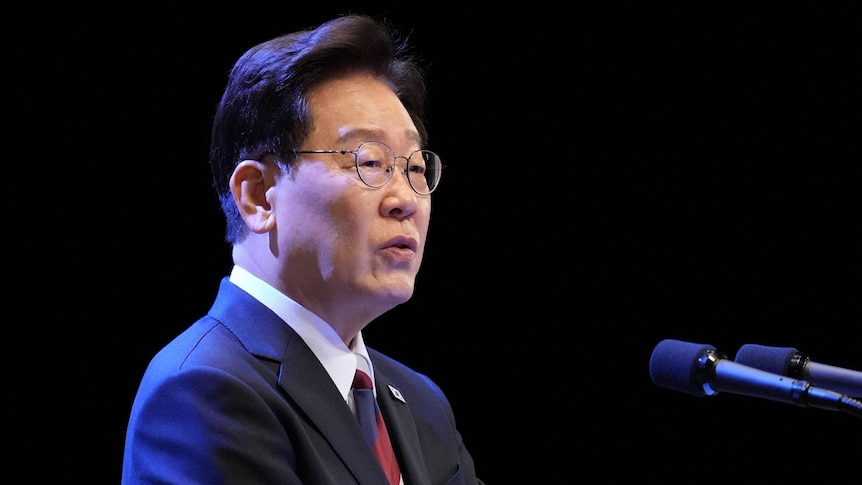
South Korea's leader is seeking peace talks to formally end the Korean War, which has been ongoing since 1953. The current conflict is technically an armistice, not a peace treaty. South Korea's President Lee Jae Myung has taken a more conciliatory approach than his predecessor, emphasizing engagement and unification in his policy.
However, North Korea remains hostile and continues to develop its nuclear weapons and missile programs, viewing them as essential for regime survival. Any form of contact or cooperation with South Korea poses significant security risks for North Korea due to the legitimacy and superiority myths associated with its political system.
Despite this, President Lee's recent call for peace talks and the establishment of a peace regime is significant, as it signifies a shift away from the hostile relationship between the two nations. Nevertheless, without a formal peace treaty, the war could resume at any time, and the unstable conflict situation has been normalized for nearly 70 years on the Korean Peninsula.
Written by urgent.news from ABC News AU's reporting — not their text. Machine-written — may contain errors; check the original before relying on it.