Why carbon markets alone won’t save Southeast Asia’s concessions forests
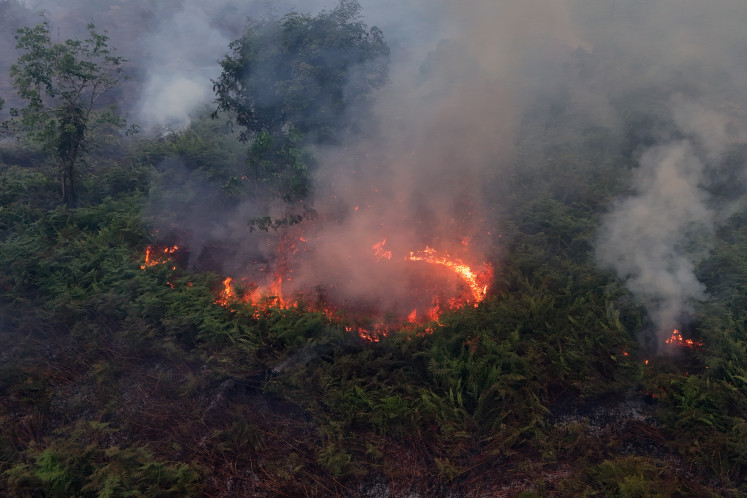
New research suggests a “massive and untapped” opportunity for conservation within commercial concessions in Southeast Asia, reports Mongabay’s Carolyn Cowan. Using satellite data, researchers identified roughly 42 million hectares (104 million acres) of intact forest still standing inside logging, timber, rubber and oil palm concessions across Cambodia, Indonesia, Malaysia and Myanmar. The study…
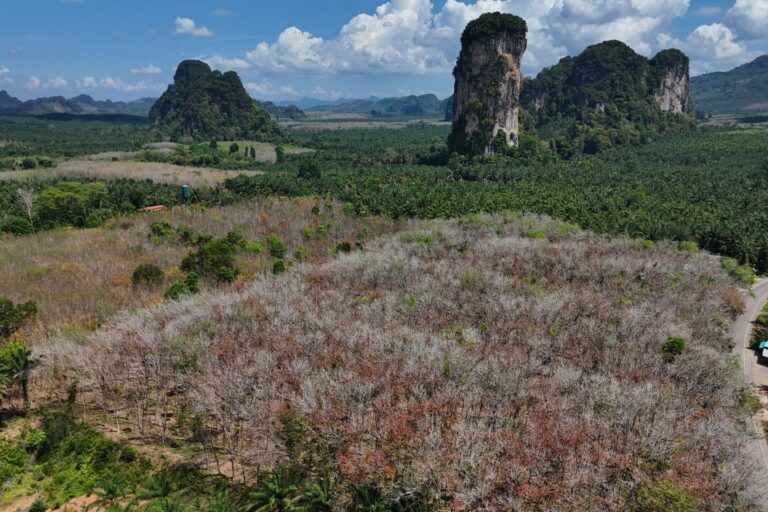
New research reveals an untapped potential for conservation within commercial concessions in Southeast Asia, according to a study by Mongabay's Carolyn Cowan. The study, led by Annabel Lim from the National University of Singapore, identified approximately 42 million hectares (104 million acres) of intact forest within logging, timber, rubber, and oil palm concessions across Cambodia, Indonesia, Malaysia, and Myanmar.
These forests, equivalent in size to the entire country of Malaysia, could release 1.2 gigatons of carbon dioxide emissions over the next 30 years if cleared. Engaging concession owners as partners in conservation could play a significant role in meeting climate and biodiversity goals, according to Lim. However, the researchers warn that relying solely on carbon markets to incentivize conservation is not economically feasible at current carbon prices.
Carbon credits for avoided deforestation in the region currently trade at a low price of $5 to $12 per metric ton of carbon dioxide, according to the World Bank's 2026 State and Trends of Carbon Pricing report. For conservation to be financially competitive with agricultural or logging activities, carbon prices would need to rise significantly, between $33 and $1,677 per metric ton, based on the researchers' calculations.
Affirming the importance of involving concession holders in conservation efforts, Yiwen Zeng, a conservation scientist at Nanyang Technological University in Singapore, emphasizes the need for higher carbon prices to make conservation economically viable.
Written by urgent.news from Mongabay's reporting — not their text. Machine-written — may contain errors; check the original before relying on it.