Indonesia’s peatlands show restoration can work
Although Indonesia’s restoration program has shown positive results, the threat of fire still looms over peatland that has already been degraded.
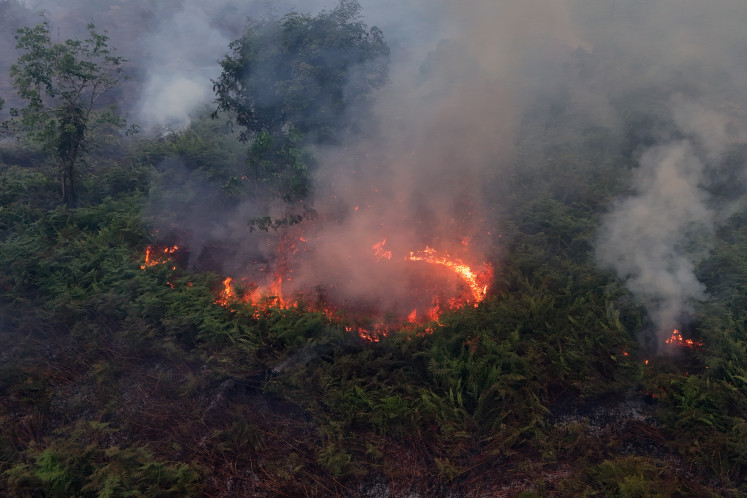
Indonesia's peatlands restoration program has demonstrated that it is possible to restore degraded ecosystems and reduce wildfire hotspots, according to recent research. The 2015 El Niño drought led to devastating land and peat fires, causing significant economic losses and environmental damage. In response, the Indonesian government established the Peatland Restoration Agency in 2016 to restore ecosystems and prevent fires.
By 2020, the program had expanded to include mangrove forest restoration, aiming to enhance the climate resilience of Indonesian coastlines.
Our recent study found that large-scale peatland restoration reduced wildfire hotspots by up to 22% in restored areas during the 2019 El Niño, compared to 2015. This reduction amounted to a 38% decrease in peatland fires. The restoration efforts had restored around 1.6 million hectares of peatland by 2024. However, the future of the program is uncertain, as its mandate was ended in 2024 and transferred to multiple ministries.
The study compared restored peatland areas with unrestored areas in Sumatra and Kalimantan, focusing on two restoration methods: canal blocking and deep wells. Deep wells were found to be more effective at reducing fire risk than canal blocking, as they directly wet the peat and can be used to extinguish fires. Canal blocking, on the other hand, is less effective but can be more efficient in specific locations if properly maintained.
Despite the success of restoration in reducing wildfire hotspots, the threat of fire still looms over degraded peatlands. Even though the extent of fires has declined over the past decade, hotspot density in restored areas remains up to ten times higher than in pristine peat forests. The total burned area within peat forest regions remains consistently above 500,000 hectares, and water table levels at study sites remain below the safe threshold of 40 centimeters.
The ongoing El Niño threat and the need to protect intact peatlands emphasize the importance of continued restoration efforts, alongside protecting existing peatlands as climate change intensifies wildfire risk globally.
Written by urgent.news from The Jakarta Post's reporting — not their text. Machine-written — may contain errors; check the original before relying on it.