Science uncovers mountain quarry tied to one of Korea's most tragic royal tombs
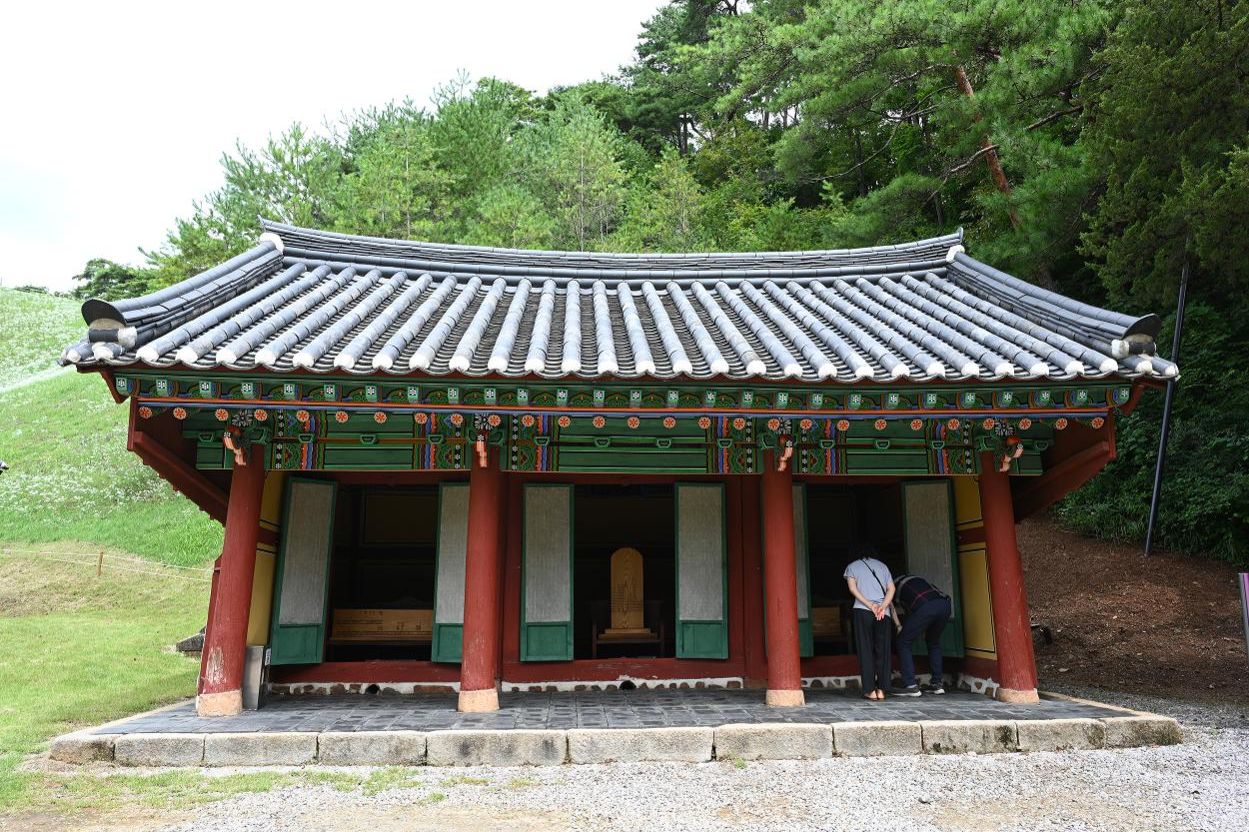
Modern science has validated a 300-year-old Joseon Dynasty record, helping researchers pinpoint the mountain quarry that supplied the stone for King Danjong’s royal tomb — the final resting place of the young monarch who was exiled and forced to drink poison by his usurping uncle, a tragic tale brought to the big screen in the 2026 film, "The King’s Warden." Now, centuries after the young king’s…
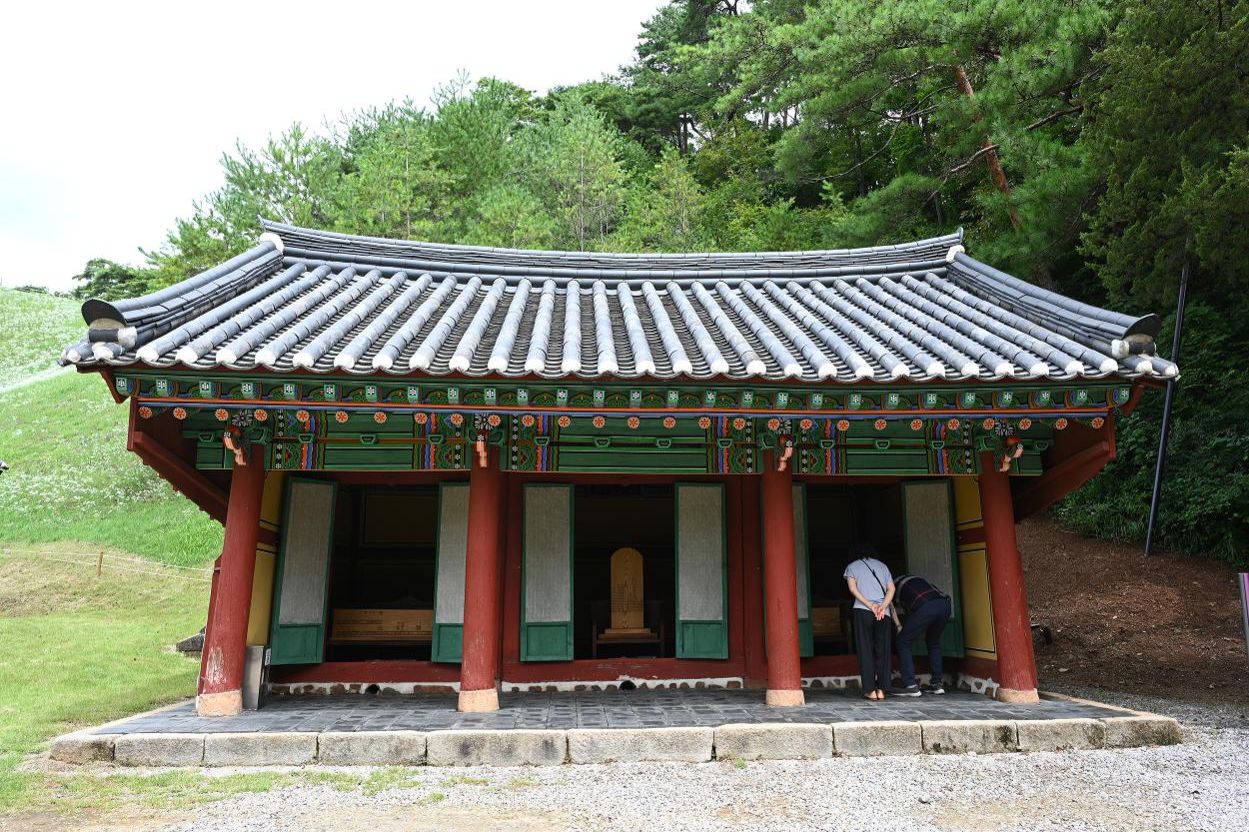
Recent scientific investigation has confirmed a historical record from 300 years ago, aiding researchers in identifying the mountain quarry responsible for supplying the stone for King Danjong's royal tomb. King Danjong was a monarch of the Joseon Dynasty who faced an unfortunate fate after being exiled and forced to drink poison by his usurping uncle. This tragic story was later depicted in the 2026 film, "The King's Warden."
After his deposition in 1455, King Danjong was exiled to Yeongwol, Gangwon Province, where he met his untimely end two years later at the age of 16. To ensure the secrecy surrounding his death, severe punishment was threatened for anyone who dared to touch the body of the exiled former king. The National Research Institute of Cultural Heritage recently validated this historical record, identifying the granite used in King Danjong's royal tomb as having been quarried from Mount Songhak in Jecheon, North Chungcheong Province.
This discovery traces the very stones of the monument back to their ancient source, finally solving a long-standing mystery.
Written by urgent.news from The Korea Times's reporting — not their text. Machine-written — may contain errors; check the original before relying on it.
This story
This is one outlet's version. Read the fullest account.