Thrill-seeking influencers chasing shark selfies are getting bitten
While shark bites on humans are very rare, a 2020 study at the University of Technology in Auckland noted an increase in trends such as the ‘wildlife selfie.'
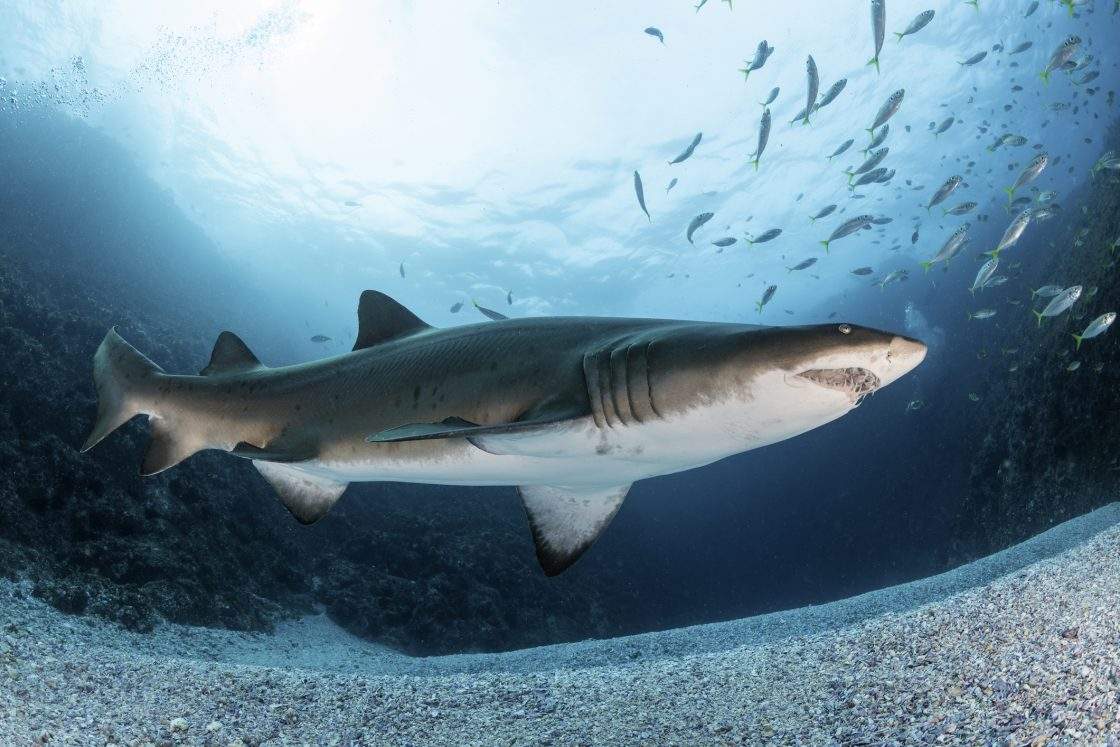
Social media influencers seeking adrenaline-pumping moments by swimming with sharks are facing the consequences of their reckless behavior. A Brazilian lawyer and influencer named Tayane Dalazen recently had her leg bitten by a seven-foot-long nurse shark during a diving excursion in Brazil in April. The incident, which was captured on video, shows Dalazen snorkeling near a boat when the shark bit her thigh, causing intense pain.
Despite her efforts to remain calm, the shark clung to her thigh for several seconds before releasing, leaving her with multiple lacerations. The incident occurred while she was filming for a Discovery Channel documentary.
Experts warn that the rise in "wildlife selfies," including shark encounters, may be contributing to a potential increase in shark attacks. A 2020 study from the University of Technology in Auckland highlighted the dangers of engaging in close proximity with unpredictable animal species for the sake of capturing viral content. Other notable cases include fishing influencer Henry Gibbs nearly losing his leg to a reef shark in Fiji and a Canadian tourist losing both hands to a bull shark in Turks and Caicos in 2024.
While shark attacks on humans are rare, a New Zealand study revealed that influencers and photographers often disregard safety instructions during shark-diving expeditions. The International Shark Attack File (ISAF) reports that the odds of being bitten by a shark are extremely low, with only 105 alleged shark-human interactions worldwide in 2025, including five unprovoked attacks.
The majority of cases were concentrated in the Bahamas. The ISAF recommends that ocean swimmers stay close to shore, avoid swimming at dawn or dusk, and minimize excessive splashing to reduce the chances of an attack.
Written by urgent.news from Global News's reporting — not their text. Machine-written — may contain errors; check the original before relying on it.