Thailand seeks new path to end deadly southern insurgency: top negotiator
Thailand is ready to shift its approach to a slow-burn insurgency in its Muslim-majority deep south and revitalise a peace process, Bangkok’s chief negotiator has said, as violence simmers in one of Southeast Asia’s longest-running conflicts. Any such move could mark a return to addressing the political roots of a conflict that has killed more than 7,800 people since 2004, when the latest round…
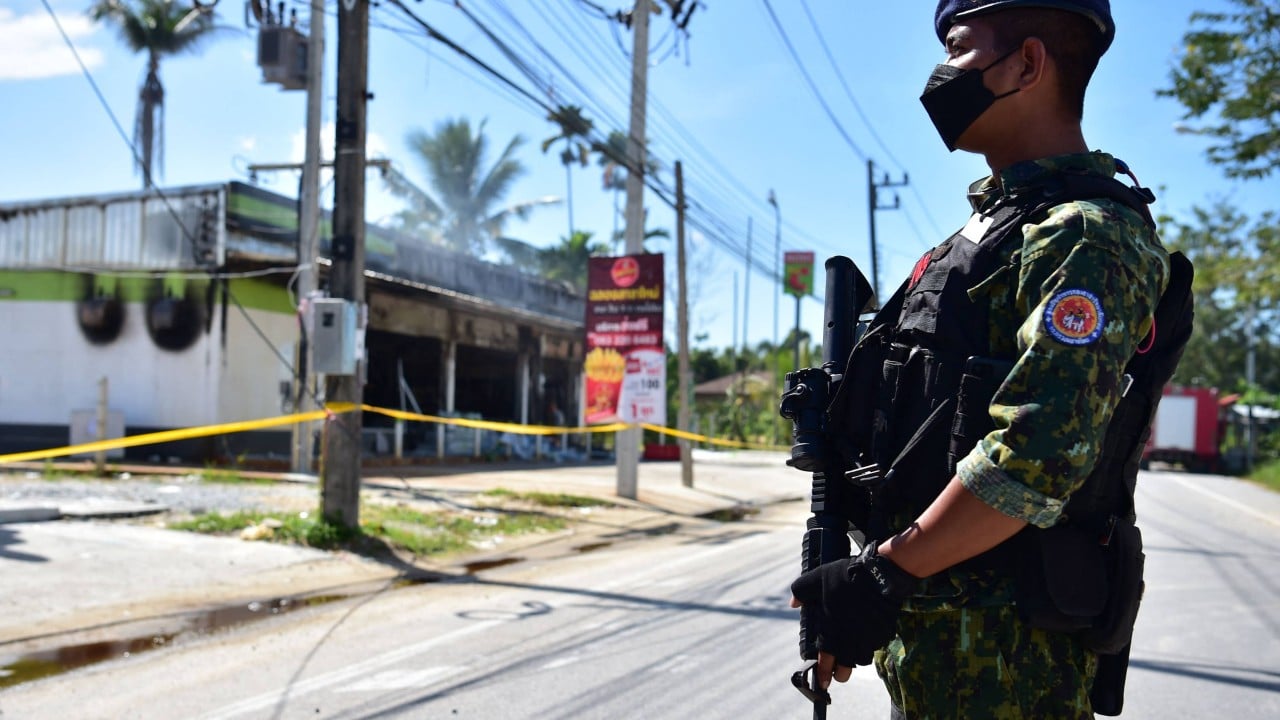
Thailand is poised to alter its strategy to address a protracted insurgency in its predominantly Muslim southern region and revive the peace process, according to Bangkok's chief negotiator, Thanut Suvarnananda. This potential shift comes amid ongoing violence in one of Southeast Asia's longest-running conflicts, which has claimed over 7,800 lives since 2004, when the latest round of insurgency began, primarily led by the Barisan Revolusi Nasional (BRN).
In the latest incident, five security personnel were killed in an attack last month. Despite previous attempts to address the political roots of the conflict, the peace process has repeatedly stalled due to changing governments in Bangkok, internal divisions, and a focus on exchanging concessions for reduced violence. Thanut, appointed to lead the peace process in April, aims to move away from a transactional approach, emphasizing the need to discuss governance structures for the southern border region instead of offering deals or concessions in exchange for reduced violence.
He underlined that simply halting attacks would not suffice, suggesting that discussions should focus on suitable forms of governance for the region. Thanut proposes reopening dialogue to explore self-administration mechanisms and considers amnesty, pardons, and sentence reductions for suspected insurgents. These proposals, while discussed before, have not yet materialized into concrete measures.
However, the BRN has not responded to a request for comment. For the peace process to succeed, Thanut believes Bangkok must be willing to make political concessions and align its security agencies. Recent violence, including the July attack in Narathiwat, has prompted Bangkok to postpone planned dialogue processes. Thanut emphasized that the BRN's waning confidence in the peace process played a role, as many within the movement have lost faith in its ability to deliver meaningful change.
He suggested that BRN representatives, or individuals trusted by the movement, could collaborate with Thai officials and experts to explore decentralization and other governance arrangements. Thanut also called for a review of restrictive security measures, including village cordons, searches, and checkpoints, which could further alienate local communities and fuel the insurgency.
Written by urgent.news from South China Morning Post's reporting — not their text. Machine-written — may contain errors; check the original before relying on it.