Technology must serve journalism, not destroy public trust – GJA President
The President of the Ghana Journalists Association (GJA), Albert Kwabena Dwumfour, has cautioned journalists and media organisations against allowing technology to undermine the ethical values and professional standards that sustain public trust in journalism.
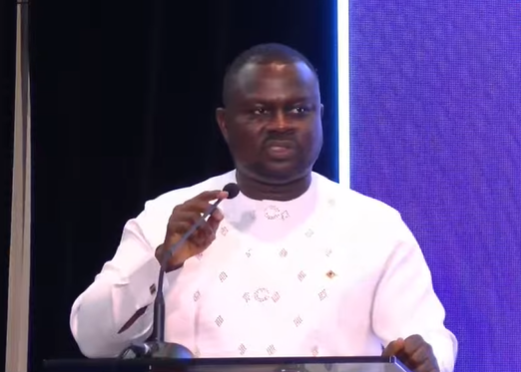
Albert Kwabena Dwumfour, President of the Ghana Journalists Association, has warned that journalists and media organizations must be vigilant to prevent technology from eroding the ethical values and professional standards that uphold public trust in journalism. Dwumfour emphasized that while emerging technologies, like artificial intelligence, present opportunities for newsrooms, they should be seen as tools to enhance journalism rather than replace the human judgment and ethical responsibility that lies at the core of the profession.
At the GJA's 77th anniversary symposium and lecture, Dwumfour highlighted the significant impact of technology on information gathering, production, distribution, and consumption, noting the rise of social media, mobile journalism, data journalism, and AI in shaping newsroom practices and the relationship between journalists and their audience.
Dwumfour acknowledged that AI can assist journalists with tasks such as research, transcription, translation, data analysis, and monitoring, but cautioned that it also poses risks such as misinformation, fabricated content, deepfakes, and synthetic audio and images. He reiterated that the Ghana Journalists Association's stance is clear: technology must serve journalism and not undermine the values that make journalism worthy of public trust.
Dwumfour committed the GJA to promoting training and capacity-building in digital journalism, verification, fact-checking, data journalism, and the responsible use of AI. Despite rapid technological advancements, he stressed that the human journalist remains central to the profession, emphasizing that journalists must retain their curiosity, judgment, courage, and conscience. These qualities, he said, technology cannot fully replace.
Additionally, Dwumfour urged media organizations to consider the changing economics of the digital environment alongside the technical aspects of digital journalism. He emphasized the need for journalists and media organizations to understand how digital platforms operate, evolving audience behavior, and its implications for media sustainability.
Dwumfour cautioned that without understanding the digital ecosystem, external forces could increasingly dictate the future of journalism. He encouraged media organizations to develop clear editorial policies on AI use, covering transparency, verification, human oversight, protection of confidential sources, copyright, and intellectual property.
Dwumfour urged journalists to embrace new technologies while maintaining professional judgment and ethical standards essential to credible journalism.
Written by urgent.news from MyJoyOnline Ghana's reporting — not their text. Machine-written — may contain errors; check the original before relying on it.