Newly discovered immune hubs in our skull may keep our brain healthy
We may have clusters of immune cells at the back of our skull that help ward off conditions like brain cancer
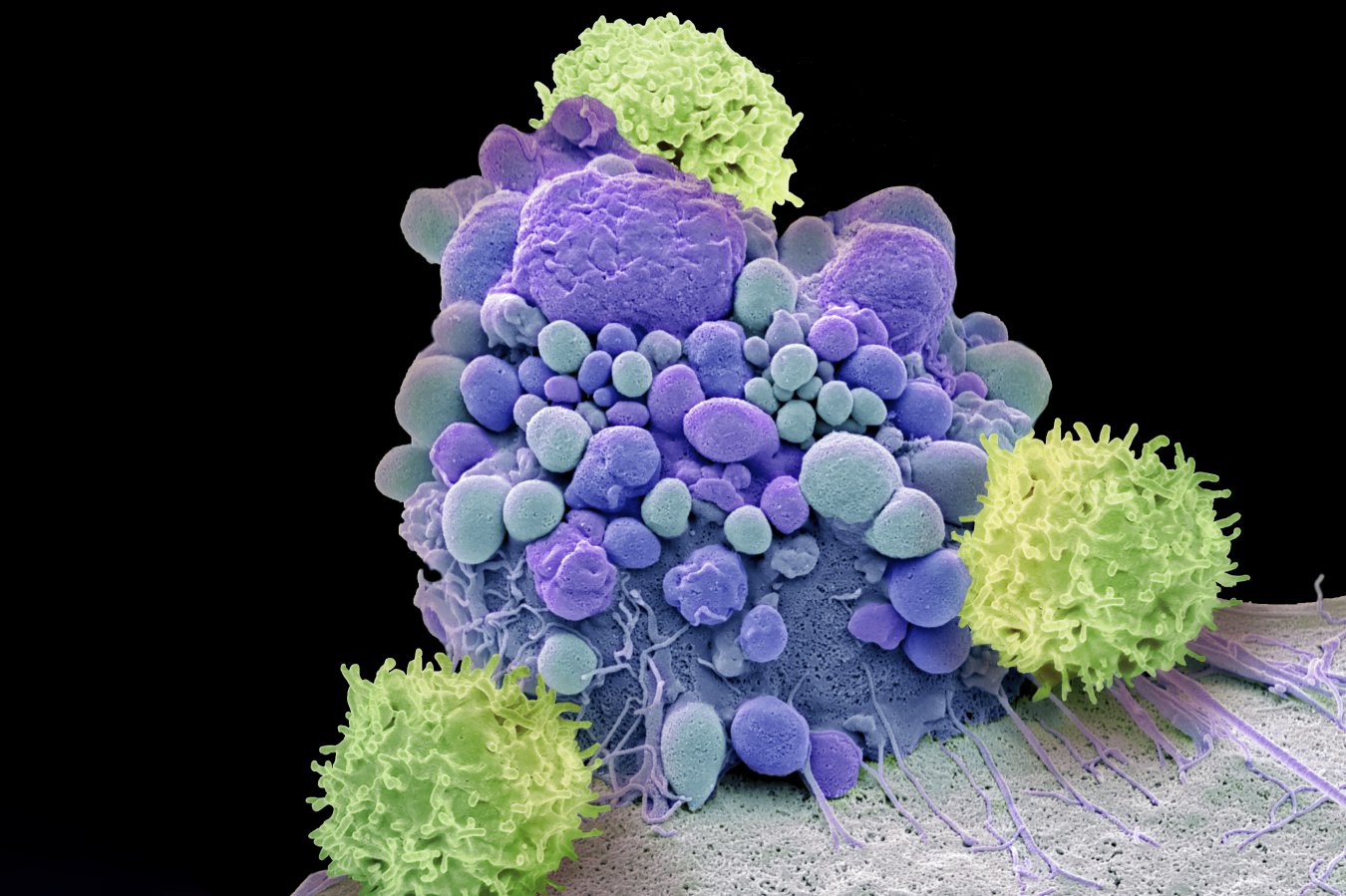
A groundbreaking study suggests tiny immune hubs nestled at the base of our skulls may play a crucial role in safeguarding our brain's health. Researchers at the University of Washington discovered that T- and B-cells, key components of the immune system, tend to cluster in these areas. These immune hubs, which resemble lymph nodes, are believed to spring into action when the body detects threats such as cancerous cells or infected tissues.
Unlike previously known immune response mechanisms, these immune hubs could potentially be targeted with drugs to combat conditions like brain cancer, infections, and neurodegenerative diseases. A mouse study showed that blocking these immune hubs with an experimental drug extended the survival of mice with brain tumors by nearly half compared to mice receiving a placebo.
The discovery opens up new avenues for developing treatments for a range of illnesses affecting the brain.
Written by urgent.news from New Scientist's reporting — not their text. Machine-written — may contain errors; check the original before relying on it.