Iraq's problems are rooted in corruption, not currency
Deleting zeros from a national currency can make a country’s numbers look better – but it cannot, by itself, make an economy healthier. This is among the primary problems facing Iraq as officials revive discussions to redenominate the dinar , an idea first floated more than two decades ago. For a heavily cash-based society such as Iraq’s, the suggestion has some merit. Removing two zeros could…
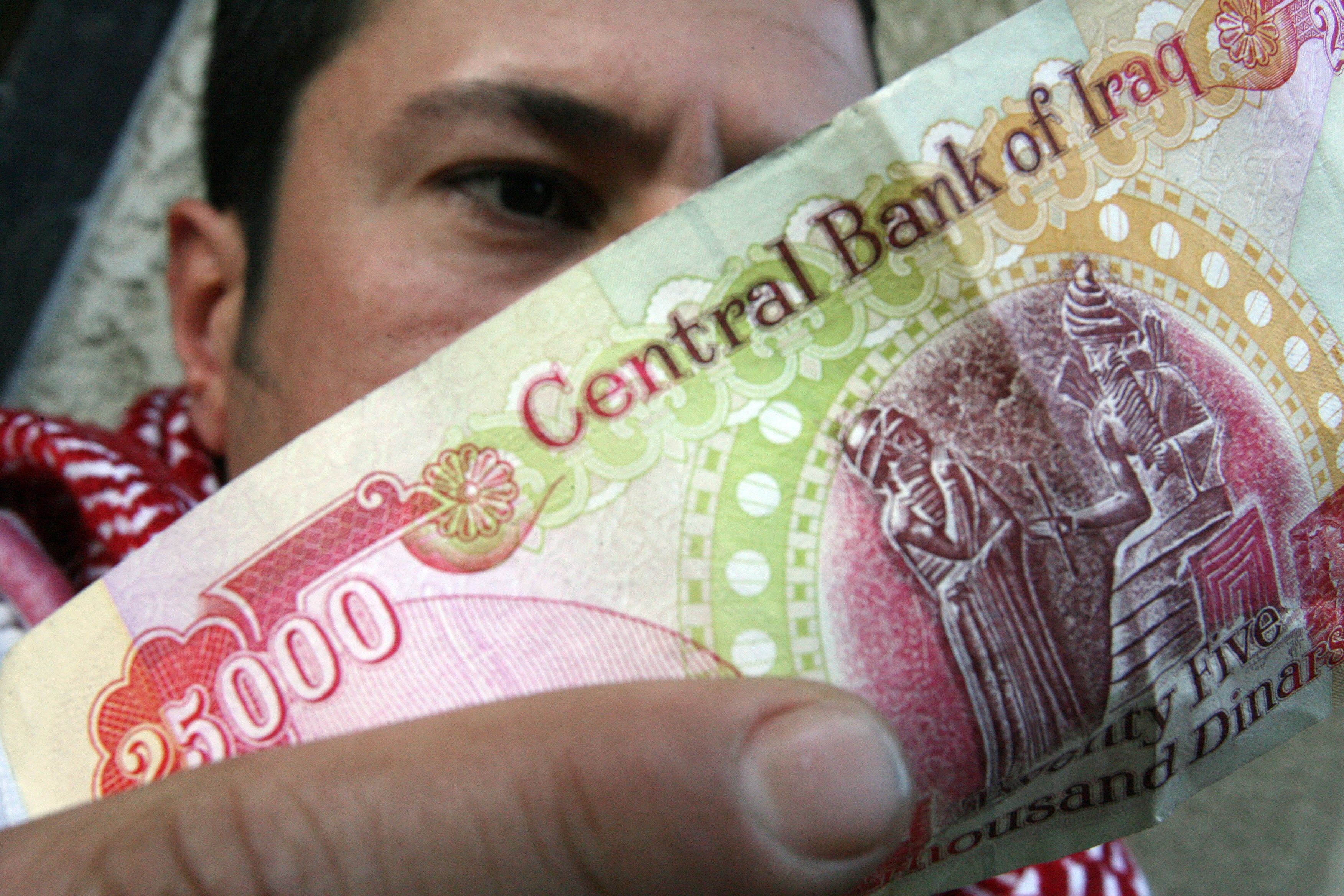
Iraq's economic challenges stem from widespread corruption, not merely the fluctuating value of its currency. The suggestion to redenominate the dinar, a concept that has been discussed for over two decades, does little to address the underlying issues. In a cash-based society like Iraq, this proposal could potentially redirect some of the substantial amounts of unaccounted cash into circulation.
However, millions of Iraqis already keep their savings at home due to a lack of confidence in the country's financial institutions. The reasons for this mistrust are evident: widespread corruption breeds wealth for a select few while simultaneously undermining public faith in the government. Recent anti-corruption measures have resulted in the seizure of over $26 million in cash and nearly 60 kilograms of gold, far surpassing previous recoveries.
The sheer magnitude of these seizures, along with the fact that they often involve government officials, only serves to deepen the Iraqi public's skepticism. Not only are the sums involved alarming, but the fact that these officials are implicated in bribery and embezzlement compounds the issue. The arrests of high-profile figures such as Adnan Al Jumaili, the former deputy oil minister, highlight the pervasiveness of corruption at the highest levels of the political class.
Iraq's economic situation is further complicated by its heavy reliance on oil, which accounts for nearly 90% of the federal budget. Any disruption in oil exports, like the recent closure of the Strait of Hormuz, has a significant impact on public finances, leaving them vulnerable to manipulation. With monthly commitments of around $6.5 billion for salaries, pensions, and welfare, the financial strain is immense.
The erosion of trust in institutions, including banks, courts, and government bodies, exacerbates the challenge of a currency overhaul. If citizens lack confidence in these systems, they will have little incentive to believe that swapping out banknotes will lead to any economic improvement. While a currency redesign might offer a technical solution to some issues, it is not a panacea. Iraq's problems are deeply rooted in a lack of confidence, as much as they are in its currency.
Written by urgent.news from The National Business's reporting — not their text. Machine-written — may contain errors; check the original before relying on it.
This story
This is one outlet's version. Read the fullest account.
- Iraq's problems are rooted in corruption, not currency thenationalnews.com